

Walmart's Great Value Frozen Shrimp Could Be Radioactive And You Should Throw It Out, Per The FDA

Consumers are used to food recalls over bad enough things like listeria or e.coli, and yet, it's still kind of a shock to hear that some shrimp are being recalled for being potentially radioactive. Yes, you read that right: radioactive. The U.S. Food and Drug Administration issued the alert and recall on August 19 after detecting the presence of the radioactive isotope Cesium-137 (Cs-137) in shipments of shrimp from the Indonesian producer Bahari Makmur Sejati. The Cs-137 contaminated shrimp were found in shipping containers in four different ports: Los Angeles, Houston, Savannah, and Miami. The shrimp shipment stopped at the ports after detection and, as of now, no contaminated shrimp is known to have entered the country.
However, the FDA recall does state that some shipments of Great Value brand shrimp made it to Walmart after the first detection of radioactive contamination. The FDA recall has not risen to a mandatory level, and it reports that none of the shrimp came from any shipments where Cs-137 was detected, but it is still recommending Walmart recall the product and that consumers discard any potentially contaminated shrimp. The recalled shrimp was sold in 13 states: Alabama, Arkansas, Georgia, Florida, Louisiana, Kentucky, Missouri, Mississippi, Ohio, Oklahoma, Texas, West Virginia, and Pennsylvania. They are all Great Value frozen raw shrimp with best by dates of 3/15/2027 and the product code 7383108 on the packaging. There are three lot codes covered by the recall: 8005540-1, 8005538-1, and 8005539-1.
Walmart Great Value shrimp imported from Indonesia may be contaminated with a radioactive isotope
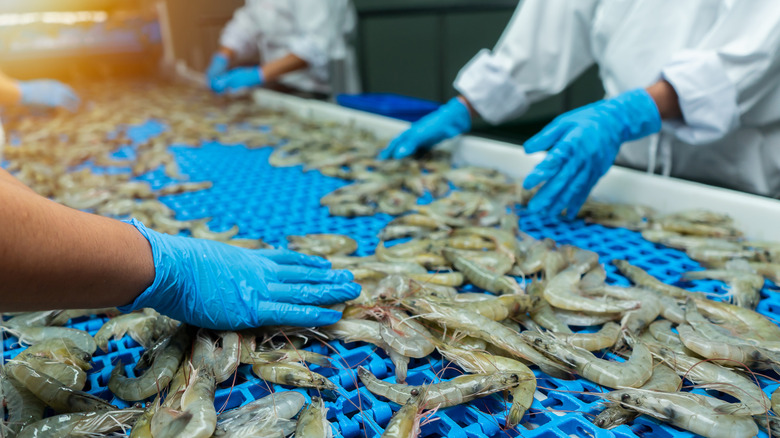
The FDA says the levels of Cs-137 that were found in the shrimp were low and would not cause any immediate health problems if you were exposed to them. However, the recall was issued over concerns that consistent low-level exposure to radioactivity can have long-term health effects, especially when coupled with exposure to other radioactive material in the environment. If you have been exposed to or consumed contaminated shrimp, the FDA recommends talking to a medical professional, like your doctor. Cs-137 is created artificially by nuclear fission, and is made for use in medical equipment. However, because it can become a powder at room temperature, it moves easily through the environment and thus spreads contamination.
Indonesia is the third largest exporter of shrimp to the U.S. but shrimp from Southeast Asia has come under fire for a lack of safe fishing practices. This is because shrimp production there is done by many small firms that are poorly regulated, and often engage in abusive behavior, including child labor and debt bondage. The FDA has reported that the Cs-137 contamination likely means that Bahari Makmur Sejati prepared and packaged the shrimp in unsanitary conditions. Both labor violations and safety make it all the more important that you only stick to the best frozen shrimp brands that have been certified by organizations like the Aquaculture Stewardship Council and Marine Stewardship Council.