

What Exactly Is Protein Water And How Nutritious Is It?
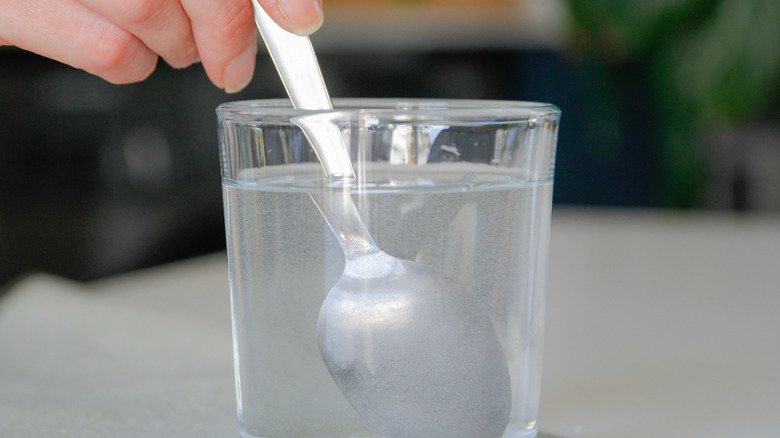
Every era has its fitness obsession. Remember when low-fat items ruled the supermarket? And when carbs became public enemy number one? Now, it's protein's time in the spotlight. It's been packed into wafers, blended into smoothies, and even folded into pancake mixes. And just when you thought you'd seen it all, along comes the most unexpected product yet: protein water. Think of it as a stripped-down version of a protein shake. Instead of being blended with milk or a dairy substitute, it mixes protein powders (like whey, collagen, or plant protein) into plain water. The result is a lighter, thinner drink that is often low calorie and with few or no added sugars. You'll mostly find it sold in single bottles at the store alongside popular sports drinks, but a few brands also make mix-in packets for your own water bottle.
Some varieties are carbonated, others flavored. All are marketed as a post-workout pick-me-up and a cheat code to hit your protein goals. But here's the catch: while this drink may serve those narrow purposes, it falls short as an all-around nutrition source. Most protein water bottles deliver between 15 and 20 grams of protein per serving — but little else. Some brands add electrolytes to support rehydration, but generally, the drinks include no fiber, vitamins, or minerals, making them lean beverages that deliver on protein but offering minimal nutritional breadth.
Not completely pointless
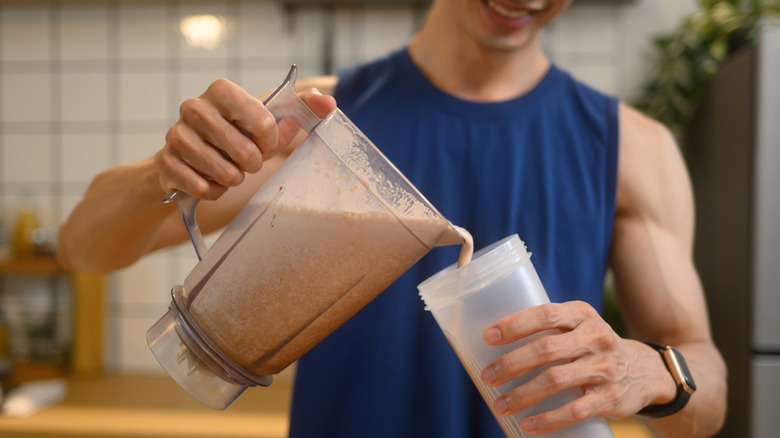
Protein water does come with some benefits. In fact, it fills a very specific gap: it's a drink that hydrates, can be had on-the-go, and delivers a decent protein boost. Anyone who is looking to build muscle while managing weight knows how hard it can be to hit daily protein goals. For an active adult weighing 90 kgs (198 pounds), protein targets can range from around 100 grams to 180 grams depending on their workout regimen. So if you're looking to increase protein intake without the extra calories, protein water can be a handy option.
Most bottles clock in with fewer calories than protein shakes or bars, making them appealing for people who want something lighter. These bottles also sidestep the chalky texture of the traditional protein powders that go into making shakes. Some of the popular protein water brands on the market are Clear Protein by Clean Simple Eats, PWR Lift Whey Protein Water, Ready Protein Water, Protein2o Plus, and Celebrate CLR Protein Water.
Having said that, nutrition experts still recommend getting your protein from whole foods — animal sources like chicken, eggs, and fish, or plant-based options like tofu, beans, lentils, and nuts. Tahini and pumpkin seeds, for example, are foods that contain way more protein than you realize. And if you're not in favor of experimenting, there are some great ways to add a protein boost to your favorite meals, like using Greek yogurt instead of sour cream or adding cottage cheese to your tomato sauce.