

10 Mistakes Everyone Makes With Seafood Boils
We may receive a commission on purchases made from links.
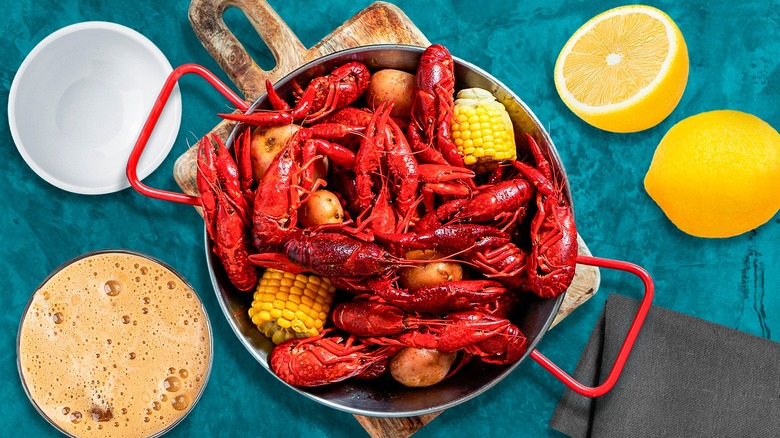
A seafood boil is a one-pot meal consisting of a variety of seafood (shrimp, crab, clams, you name it), tender potatoes, sweet corn, and smoky sausage, all simmered in a flavorful broth of Cajun spices and aromatics. It's a popular dish across the South as well as up and down the East Coast, with roots that trace back to the low-country Cajun and Creole cooking of Louisiana. This seafood meal is traditionally served in a heaping pile — messy, flavorful, and meant to be shared.
When made right, a seafood boil recipe is one of the tastiest ways to enjoy the ocean's bounty. But getting the perfect balance of flavor, texture, and presentation requires a little know-how. As a trained chef and cookbook author, I've made my share of seafood boils, which is a summer staple in our house. With a husband from the South who holds his food traditions close and easy access to fresh seafood here on the coast, I've learned what works (and what doesn't). Take note of these common missteps, and you'll be well on your way to serving a finger-licking-good seafood boil that wows your family and friends.
Using a pot that's too small
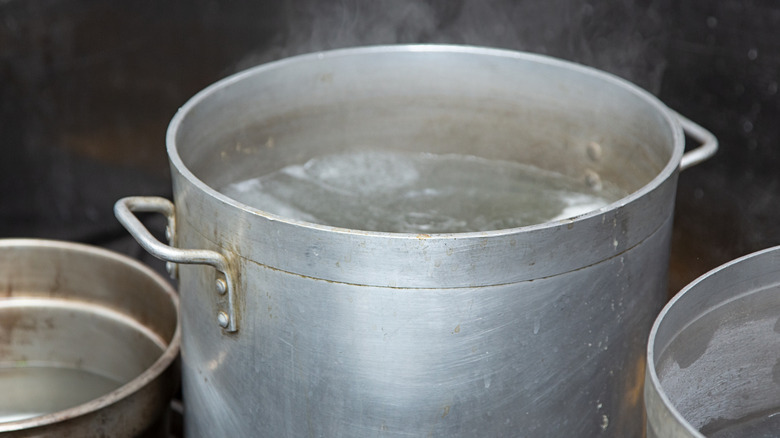
One of the most common mistakes people make with seafood boils is using a pot that's way too small. This misstep is a crucial one because if you don't get this part right, the rest of the steps are irrelevant. When you use a pot that's too small, the ingredients get packed in too tightly, which will likely lead to uneven cooking. There's nothing more disappointing in a seafood boil than underdone potatoes and overcooked shrimp.
A tall, extra-large stockpot is ideal — the kind designed for big-batch cooking. Using a pot that can hold 12 to 20 quarts ensures that the ingredients can move freely in the bubbling liquid. A proper seafood boil needs room to breathe, allowing the flavorful liquid to completely surround the ingredients during cooking. If you're worried your pot isn't big enough, then cook in batches or use multiple pots. You can make a large batch of your cooking liquid and use it to cook the vegetables and seafood in separate pots.
Not seasoning the cooking liquid enough
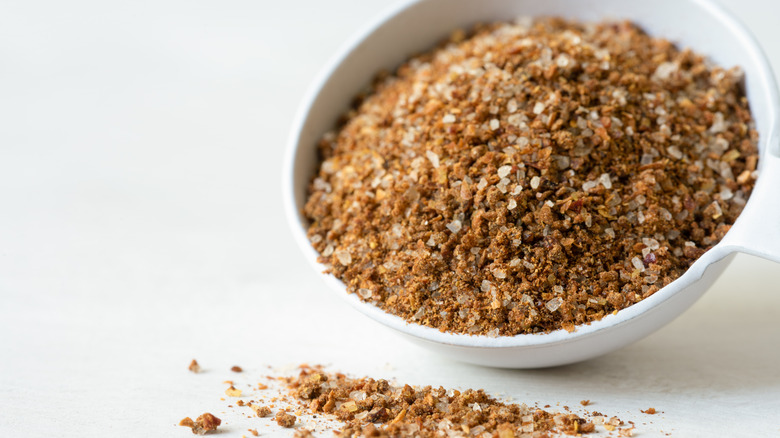
Seasoning your cooking liquid is an important step you can't skip with your seafood boil because it lays the foundation of flavor for the entire dish. The seafood and vegetables are boiled in the cooking liquid for only a short amount of time, so it needs to be well-flavored enough for the seasonings to infuse into everything, from the shrimp and crab to the corn and potatoes.
The cooking liquid is typically flavored with Old Bay seasoning, bay leaves, lemon, garlic, salt, and a generous amount of Cajun spices, like paprika, thyme, and cayenne. As the ingredients simmer in the liquid, they soak up all those flavors. If the liquid is bland, everything that comes out of the pot will be, too. And if you're not following a specific recipe, don't be timid — your pot likely needs more seasoning than you think. Taste as you go, and don't be afraid to overseason. You can even swap in beer or broth for some of the water to add another dimension of flavor.
Cooking all the seafood at the same time
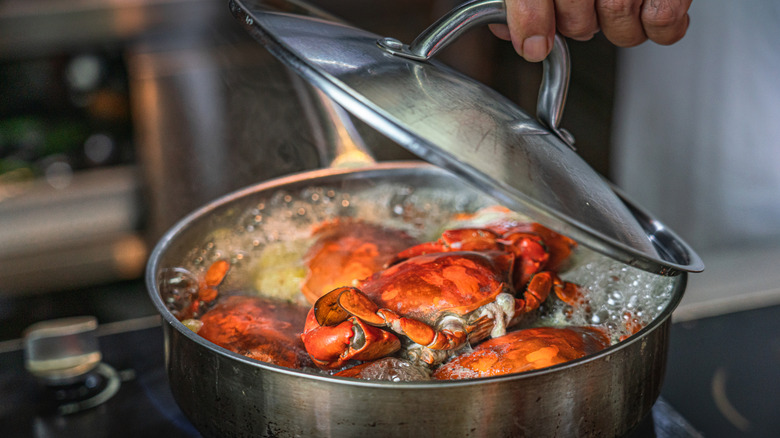
Don't make the rookie mistake of tossing all the seafood into the pot at once — different types of seafood cook at different rates. For example, shrimp only need a few minutes to turn tender, while crab legs and mussels take longer to cook through. The same goes for your veggies and sausage. Make sure to let the potatoes cook longer in the liquid than the sausage. If you throw everything in all at once, you'll end up with rubbery seafood and undercooked veggies.
The solution? Build your seafood boil in layers. Begin by adding the potatoes to the boiling liquid to give them a good head start, followed by the corn. Then, toss in the sausage so it can heat through and soak up all that flavor. Once those are nearly done, add the seafood in stages — start with clams and mussels, then finish with shrimp and crab. Layering this way ensures that every ingredient is cooked perfectly.
Not choosing a variety of seafood
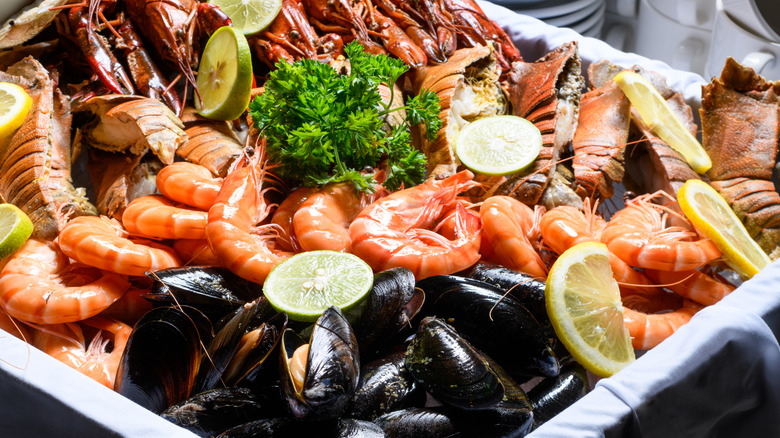
Not mixing up your seafood is a big no-no when it comes to a good boil. Each type of seafood brings its own flavor to the party, and sticking to just one type (like only shrimp or crab) limits the appeal that makes a seafood boil so mouthwatering. Layers of flavors and textures — everything from sweet to briny and buttery to firm — will make your seafood boil much more appetizing and memorable.
Offering up a variety of seafood also ensures that there's something for everyone. Some guests will go straight for the crab, while others hone in on the mussels and a handful of juicy shrimp. A nice mix of seafood makes the meal more satisfying and fun to share. Your best bet? Choose a nice balance of seafood — shrimp, crab, mussels, clams, and maybe a few lobster tails if you're feeling fancy.
Leaving the non-seafood ingredients too large
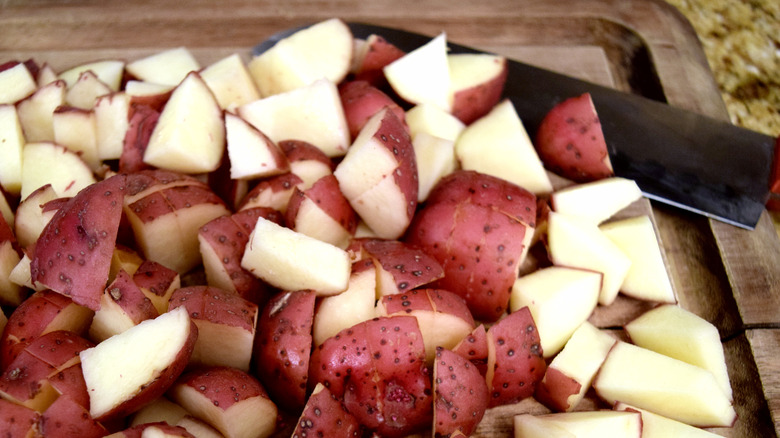
Your boil's non-seafood ingredients — like potatoes, corn, and sausage — should be cut into smaller pieces before going into the pot. Red potatoes are a popular choice for boils, and while they're already on the small side, it's still best to cut them into halves or quarters. Leaving them whole means they'll take longer to cook — they also won't absorb as much of that wonderful seasoned cooking liquid as smaller pieces will. The same goes for corn and sausage: Break corn cobs into smaller chunks and slice sausage into 2-inch pieces so everything cooks more quickly and evenly.
Remember, a seafood boil is a hands-on meal, so the ingredients should be bite-sized and manageable. No one wants to struggle with a whole corn on the cob or a large potato while reaching for some shrimp or crab. Cutting everything down into smaller pieces will make the entire experience more enjoyable for everyone.
Removing the shells before cooking
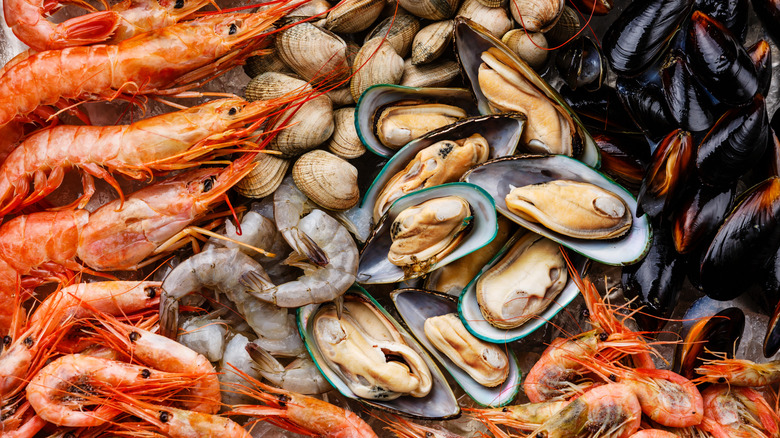
There are all sorts of tips for cooking seafood, and one that applies when making a seafood boil is to leave the shells on. A shellfish's outer covering provides a bit of protection during cooking, sealing in moisture to ensure that the shrimp, crab, or lobster stays juicy and tender. Yes, peeled shrimp is undoubtedly easier to eat, but if you cook them without their shells, they won't be as flavorful or juicy. Another benefit? The shells add richness and depth to the cooking liquid, which in turn adds even more flavor to the other ingredients.
Keeping the shells on also helps protect the seafood from overcooking. Shellfish like shrimp cook quickly. Without their shells, they're more likely to turn rubbery during the cooking process. Plus, the experience of peeling and eating the seafood at the table is all part of the messy fun. A good rule of thumb is if it comes in a shell, leave it on for the boil!
Skipping the soak
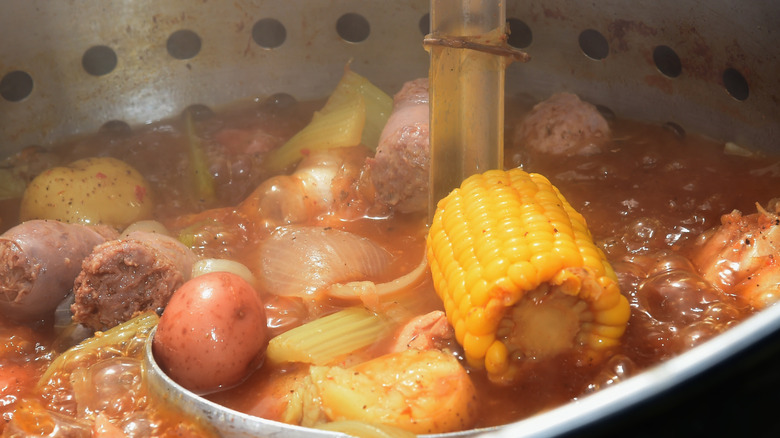
It may be tempting to serve your boil the moment everything is cooked through, but by doing so, you'll miss out on a key step that makes the seafood as tasty as it can be. Instead of rushing the process, let the seafood soak in your seasoned broth for 10 to 15 minutes after cooking. Since seafood cooks quickly, this brief soaking period allows the flavors more time to infuse into the ingredients. Skip it, and you risk ending up with bland, underwhelming seafood.
Worried about overcooking the seafood during this resting time? There's a simple fix: Add some ice to the pot as soon as your boil is done. This gently cools the hot liquid to halt the cooking process while still keeping everything warm. The ice won't dilute the flavor significantly (another reason to have a generously seasoned broth), and it ensures your shrimp, crab, or lobster stays tender and juicy.
Omitting the butter sauce
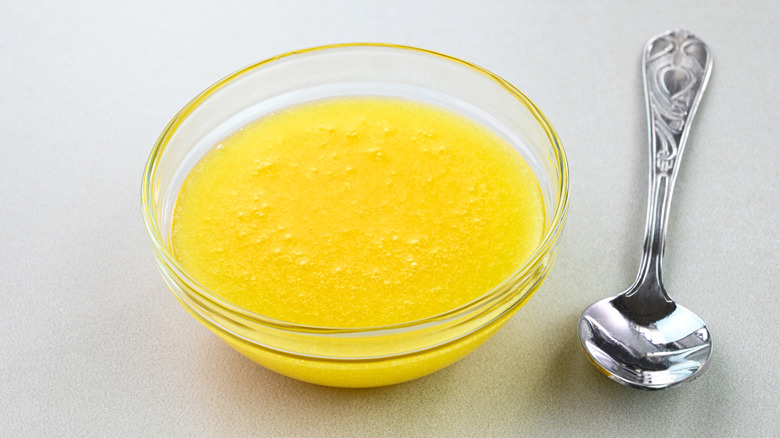
Everything's better dipped in butter, right? Well, maybe not everything, but when it comes to a seafood boil, it's practically a must. While boiling seafood in a flavorful broth does a lot to infuse it with seasoning, there's only so much flavor the cooking liquid alone can provide. But add some butter for richness and flavor, and you'll transform each bite into something indulgent and crave-inducing.
You can get creative with your butter sauce recipe, adding flavorings like fresh garlic, more Cajun spices, a squeeze of lemon juice, and a splash of hot sauce for heat. Once your boil is done, drain away the liquid and toss everything in the seasoned butter sauce so it clings to every surface of sweet crab, tender shrimp, and juicy corn — or, serve it on the side for drizzling and dunking. Either way, the buttery finishing touch will elevate your seafood boil from good to unforgettable.
Omitting fresh herbs and citrus
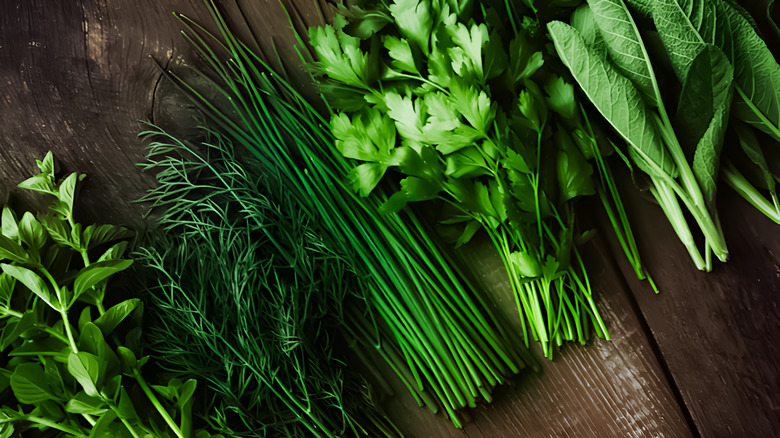
A seafood boil, like a lot of dishes, benefits from a finishing touch to bring all the flavors together — and that's where fresh herbs and citrus come in. Herbs such as parsley, dill, and thyme add a pop of brightness and clean, vibrant layers of flavor that balance the warm spices and buttery richness of the boil.
Along with herbs, citrus is just as essential. A squeeze of fresh lemon or lime adds some acidity that cuts through the heaviness of the dish, toning down the saltiness, while also drawing out the natural sweetness of the seafood. Even tossing a halved lemon into your boil as it cooks will infuse the broth with citrus flavor.
Or, if you've got some store-bought orange juice in the fridge that needs to be used, follow the lead of TikToker chefjayvoo and swap in the orange juice for some — or even all — of your cooking liquid. It's a serious citrusy upgrade to take your seafood boil over the top.
Forgetting the appropriate table setup
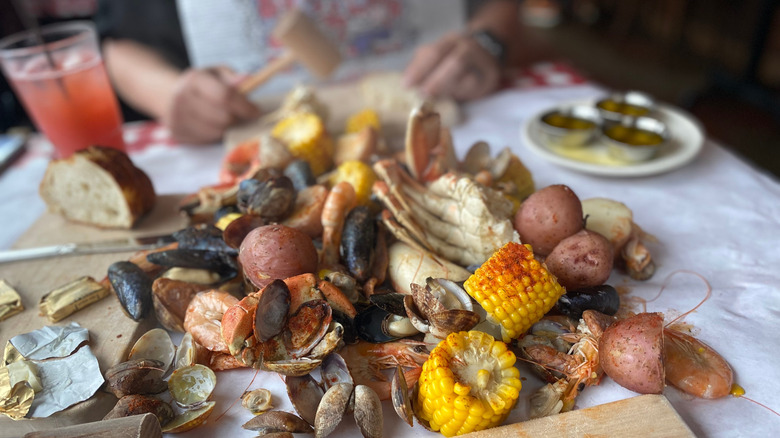
Seafood boils are gloriously messy, hands-on affairs — it's all part of the fun, of course. But to keep things enjoyable (and not frustrating), there are specific table essentials you need when serving a seafood boil. Start with a long table or picnic table and cover it with newspaper, butcher paper, or a plastic tablecloth for easy cleanup. Place some small buckets or bowls along the length of the table for discarded shells.
Skip the fancy napkins and go for rolls of paper towels — they're more absorbent and add to the casual vibe. Toss a few packs of wet wipes near each place setting, too, so sticky fingers don't slow anyone down. Feeling fun? Order some plastic bibs, like these Nonley disposable crab bibs, to add to the festivities. And while many purists prefer to eat straight off the table, it's nice to offer some plates and utensils.
Don't forget the tools: Wooden mallets, like MIHEY 12-pack hammers, and seafood crackers, like HLARTNET 8-piece crackers and picks, are great for breaking the shells of lobster and crab, while seafood picks help pull out every last juicy bit of the succulent meat. Set out condiments, like melted butter, hot sauce, and lemon wedges for extra flavor. And it won't hurt to have a basket of bread or cornbread for sopping up the flavorful juices.