

14 Kitchen Safety Rules Every Home Chef Should Follow
According to a study by the U.K.'s National Accident Helpline, approximately 60% of all reported accidents happen in the kitchen — making it the most hazardous room in the house. Slippery floors, open flames, sharp knives, and toxic fumes present real visible dangers but the kitchen is also host to many unseen threats. Research by the National Sanitation Foundation also found that the kitchen is the dirtiest place in the house, with kitchen cloths and sinks rife with bacteria, which can cause serious illness.
Make safety a habit in the kitchen and follow best-practice guidelines until they become an ingrained part of your daily behavior. The benefits extend beyond keeping you healthy –– good kitchen safety habits make you a more efficient cook, since you'll know that everything is properly sanitized and ready for use. Following kitchen safety protocols can also save you money, as emergencies can be expensive, and can have environmental benefits. Proper food storage can prevent food waste, while shutting the stove off when not in use can not only keep your home safe, but also cut down on energy use.
Keep the kitchen clean
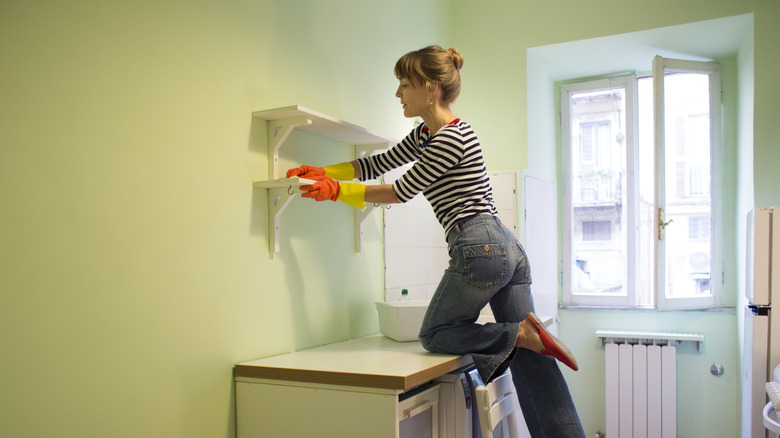
According to the U.S. Centers for Disease Control and Prevention (CDC), one in six people become sick from food poisoning each year. A dirty kitchen is a breeding ground for bacteria. Keeping your kitchen clean means more than a cursory wipe of kitchen counters. Rather, kitchens need to be thoroughly deep-cleaned on a regular basis — a minimum of once every three months.. This involves cleaning the inside and outside of the fridge/freezer, oven, and appliances, as well as scrubbing hard-to-reach areas on the floor, walls, and countertops. A dirty kitchen invites rodents or insect infestations, including mice, rats, cockroaches, and flies.
It's important to keep your kitchen floors clean and dry –– substances like oil and water can easily cause you to slip and fall, which is particularly dangerous in an area where there are open flames or where you may be holding a knife. Immediately clear up any spills, regardless of whether they are on the floor or on the counter (where they may run onto the floor).
Practice proper knife safety
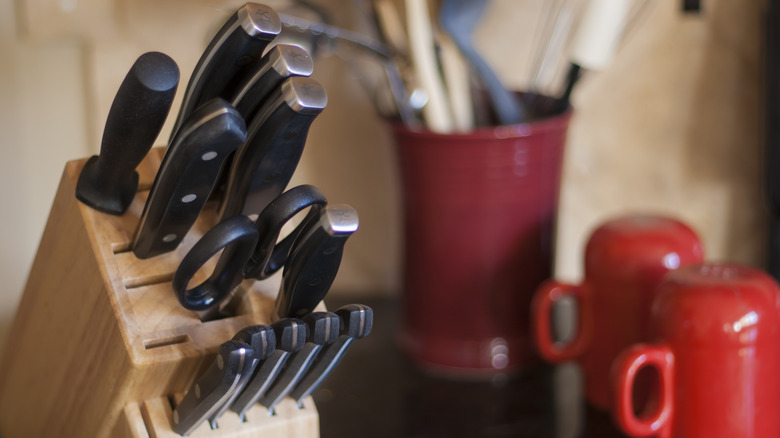
Did you know that kitchen knives are the source of one of the most common kitchen injuries? The Midwest Orthopaedics at Rush, approximately 350,000 people required a visit to the emergency room for kitchen knife injuries each year. Many of these injuries occur from incorrect cutting techniques, like slicing a bagel or avocado in your hand, or by using a knife as a makeshift tool. It's important to brush up on proper knife skills and always use the right knife for the task.
It may seem counterintuitive, but keeping your knives sharp helps keep you safe. Sharp knives slice through food like butter, requiring little effort. A dull blade, on the other hand, requires you to press harder, and it may also slip off the food surface and cause injury. When cutting, always use a cutting board placed on a stable surface to ensure the board doesn't slide. Accidents do happen, so if you do drop a knife, never try to catch it, as you risk grabbing the blade rather than the handle. Instead, step back to avoid the blade.
Be extra vigilant when using the stove or oven
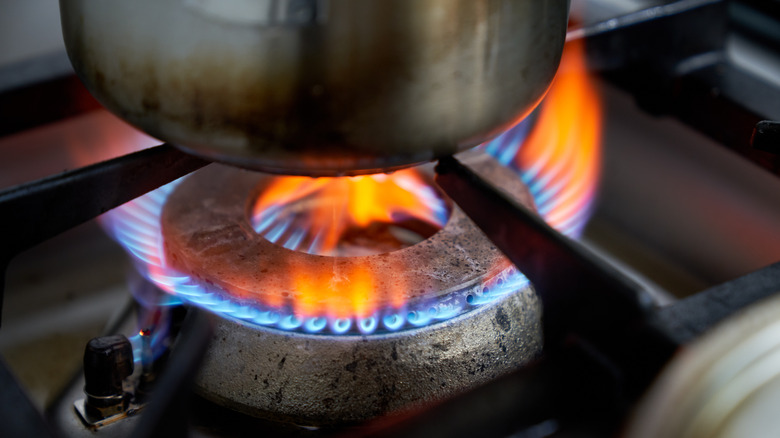
The kitchen is a dangerous place — one filled with sharp knives, whirring appliances, and slippery floors, but it's the stove or oven that is the leading cause of cooking fires and fire-related deaths in the home. According to the National Fire Protection Association, cooking was responsible for 44% of home fires, 470 deaths, and over 4,000 injuries in the U.S. annually between 2017 and 2021. When it comes to the kitchen, fire safety should be top of your list.
Never leave cooking food or an open flame unattended. Unattended food is the leading cause of cooking fires in the U.S., and according to the National Fire Prevention Association, more than a quarter of the people who died in these fires were asleep. Always make sure that gas burners and ovens are completely turned off when you are finished using them. Keep all flammable materials away from the stove when cooking –– this means ensuring that all oils, wrappers, paper towels, and flammable clothing does not come into contact with an open flame or heat source.
Be mindful when handling hot foods, pans, and dishes to prevent burns
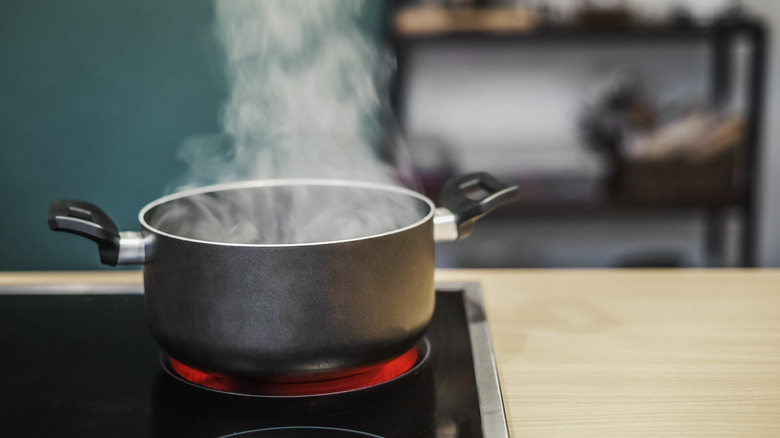
It's important to take care when handling hot pans and dishes to prevent burns. One way to do this is to use an oven mitt or pot holder when picking up any dish, be that from the top of the stove or from within the oven. Even if you have a firm grip on the dish, hot food can still spill onto your hand. A full-coverage mitt helps prevent accidents. Make sure you keep your pot holder on hand –– this is particularly important in emergencies when you may be tempted to grab the first available item or even the pot directly.
When cooking on a stove, be mindful of where you position your hot pans –– always position pot handles inward to avoid knocking a pan of hot food or water onto yourself, and be extra careful when cooking with hot oil as it can reach extremely high temperatures. Place the pan on the back burner, as far away from you as possible, and make sure that your pan is filled no more than a third of the way with oil to prevent spills. We recommend using a lid or splash guard when cooking to avoid being splatter with hot oil.
Be fire ready
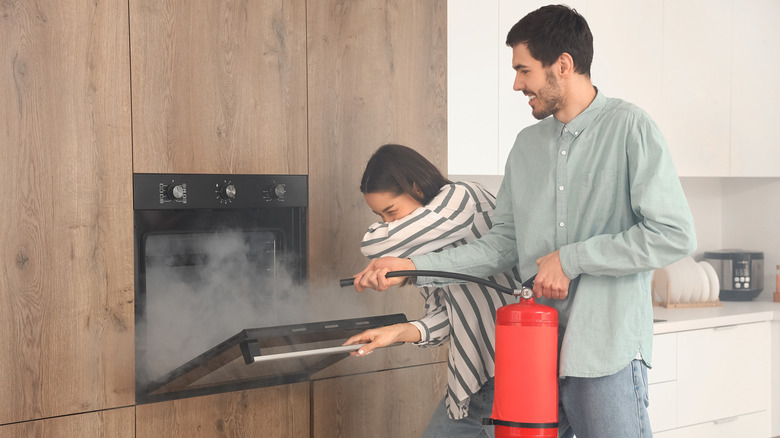
Nowhere does the adage "prevention is better than cure" apply more than in the kitchen. While you can do as much as possible to prevent it from happening, it's important to know what to do if a fire does break out in your kitchen. Be prepared by equipping your kitchen with smoke detectors and an easily accessible fire extinguisher.
If a fire does start, the key is to deprive it of oxygen. Never fan the fire or supply the flame with oxygen. For any fire, the first step is to turn off the heat source, provided it's safe to do so. For a stove fire, smother the flames with a pan lid, a fire blanket, or even baking soda. Remember that there are different types of fire extinguishers –– for a grease fire, you need a wet extinguisher (or a Class K). Ovens are self-contained, so simply turning off the heat should be enough for the fire to burn itself out. If the fire is out of control, leave the house immediately and call 911.
Avoid cross-contamination
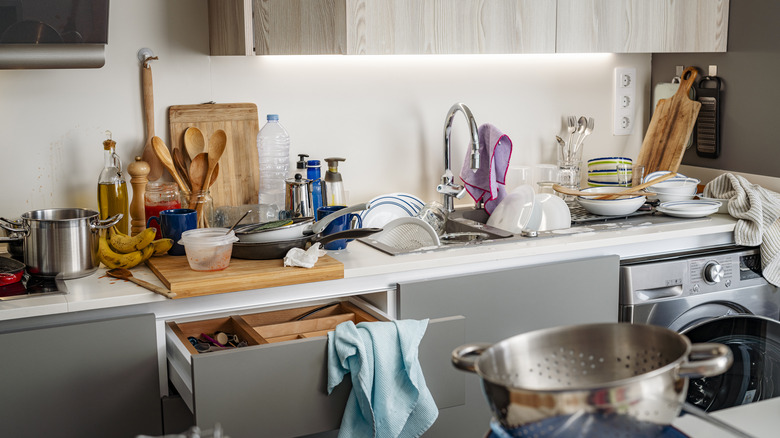
There's a silent killer in the kitchen that can't be seen or smelled, but is responsible for around 3,000 deaths in the U.S. each year (per FoodSafety.gov): foodborne illness. Kitchens are a breeding ground for viruses like Salmonella, Campylobacter, Listeria, and E. coli –of these, Salmonella and E. coli are key culprits. Salmonella can be linked to raw eggs, poultry, and dairy products, while E. coli appears in undercooked meat, vegetables, and contaminated water. Both can cause serious illness, or even death.
One of the easiest ways to limit the spread of foodborne illnesses is to avoid cross-contamination. For one, it's essential that raw and cooked foods are kept separate at all times. Once you've handled food that could transmit bacteria, make sure to wash your hands thoroughly and clean up all traces of food after cooking. Make sure that surfaces are wiped with a disinfectant, as bacteria may survive for several days and can easily pass on to food you eat or to your hands. With this in mind, it's a good idea to use a different chopping board for raw meat –– no matter how thoroughly you clean your chopping boards, there is always a risk of cross-contamination if you are sharing them with raw vegetables or fruits.
Organize your fridge with food safety in mind
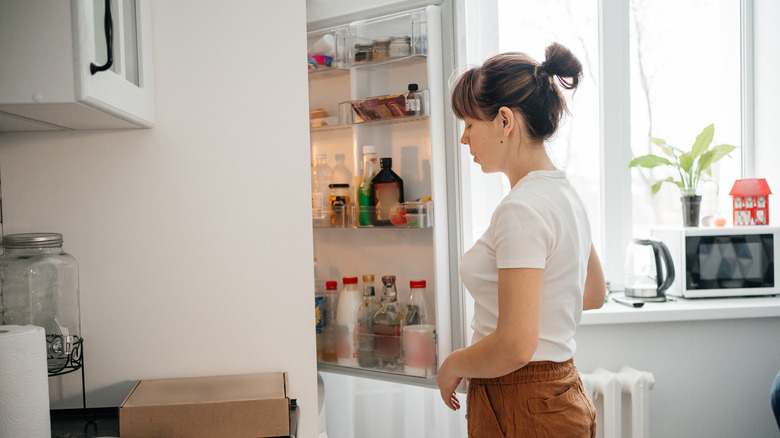
The fridge is a wonderful invention, designed to store our food at a temperature that staves off spoilage. The modern fridge has evolved from simple iceboxes to intelligent appliances that can conserve energy and dispense ice. However, even the most high-tech fridge won't keep your food safe to eat unless it is set to the right temperature. To keep your food fresh, always make sure your fridge is set to 40 F. You can even install a thermometer to monitor this.
Make sure you keep raw, cold, and cooked food separate. You should also store food in the right spot in the fridge. Typically, the bottom shelf is the coldest and is where you should store raw meat. The fridge door is the warmest, so here you can store condiments, while the top shelf has a medium, consistent temperature where you can store leftovers, deli meats, and cheeses. It's also essential that food is stored correctly –– raw foods should be wrapped or placed in containers where they can't leak. Leftovers should be dated so you know when to throw them out. As a general rule of thumb, you can keep leftovers, opened deli meats, and cooked meats for three or four days.
Keep your freezer at temperature
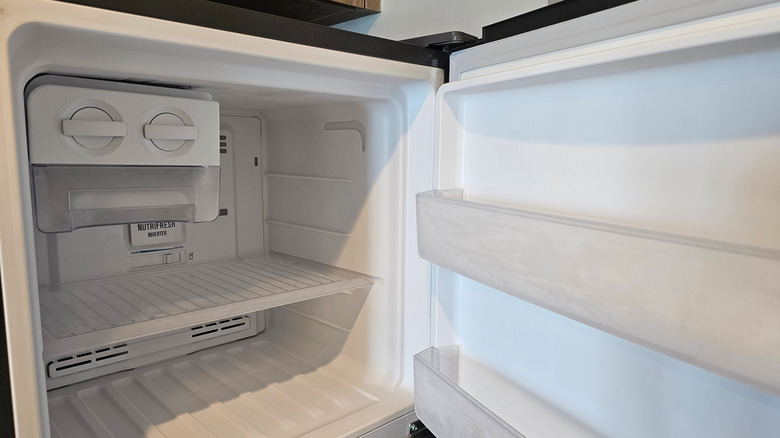
The number one rule with storing food in your freezer is to maintain a temperature of 0 F or below. Not only does this prevent the ice and meat from defrosting and leaving you with a puddle of water — or worse, blood, to clean up — but it also stops bacteria from growing. Meat can remain in the freezer for months, if not years, as long as the proper temperature has been maintained, though the quality may decrease over time. Issues can arise if you can't maintain the temperature, perhaps due to a power outage or leaving the door open –– a rise in temperature will cause the food to defrost, compromising its safety. In the event of a power outage, just leave the door shut; food can last for up to 48 hours before it starts to defrost.
It is important to ensure that food is properly cooled before freezing, otherwise it may cause the temperature in the freezer to rise. When it comes to leftovers, many people like to use the FIFO — first in first out — system, which involves labeling your food with the date and rotating stock so that the oldest items are always at the front and used first.
Cook food to the proper temperature
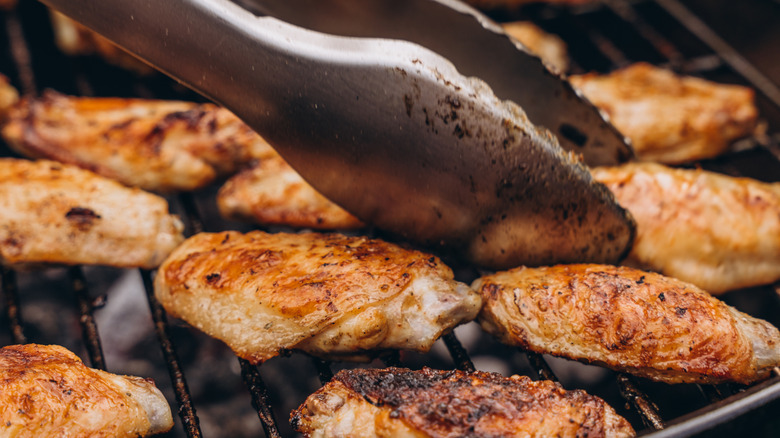
In a world of steak tartare and ceviche, it may seem a good idea to leave your food a little undercooked. But in most cases, undercooking food is a bad idea. Taste aside, many food items, particularly meat, poultry, and fish, are cooked to kill off foodborne pathogens. If food is undercooked, these bacteria may survive and cause serious illness. The reason a chef can serve raw beef or fish is that the bacteria in these meats are usually confined only to the outside, whereas in chicken and pork, the bacteria can penetrate the flesh, which means the meat must be cooked through.
Beef, pork, veal, and lamb should be cooked to a minimum temperature of 145 F, ground meats to 160 F, and poultry to 165 F. Leftovers should be heated to around 145 F. The best way to gauge that your meat is at the right temperature is by using a meat thermometer. You can also look at the color for some meats, like chicken. A properly cooked chicken's flesh should be white and not pink in any way.
Exercise caution when using electrical equipment
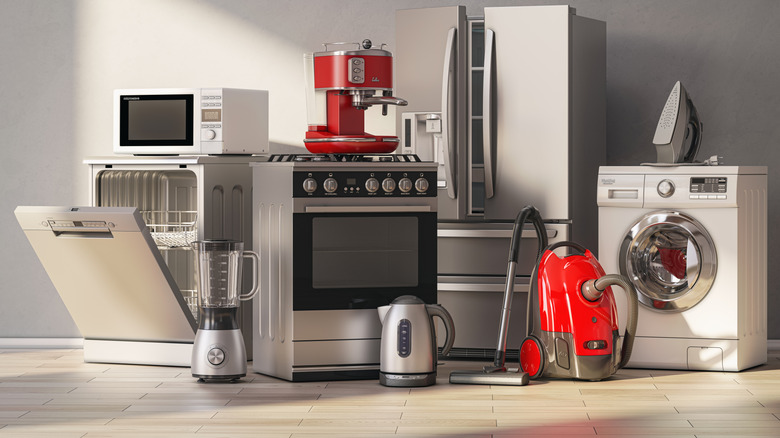
Caution should be exercised when using any electrical items, including those in the kitchen. While cooking fires are a major cause of home fires, electrical malfunctions also make up a big portion of them, per CopperSmith.
Before using any electrical items, make sure to check that the cord and plug are undamaged. If you damage the item while using it, ensure you get it fixed or dispose of it before using it again. Damaged cords and plugs can expose the internal wires, which can cause a shock when touched. Make sure that you aren't plugging electrical items into power strips that are already loaded with items –– overloading extension cords or power strips can lead to fires or electrical shocks. This is particularly true if you are using high-voltage electrical appliances, such as ovens.
Keep any appliances away from water as it's a conduit for electricity. You should also make sure you unplug appliances when not in use, as electrical fires can start even if you're not running an appliance.
Use kitchen appliances correctly
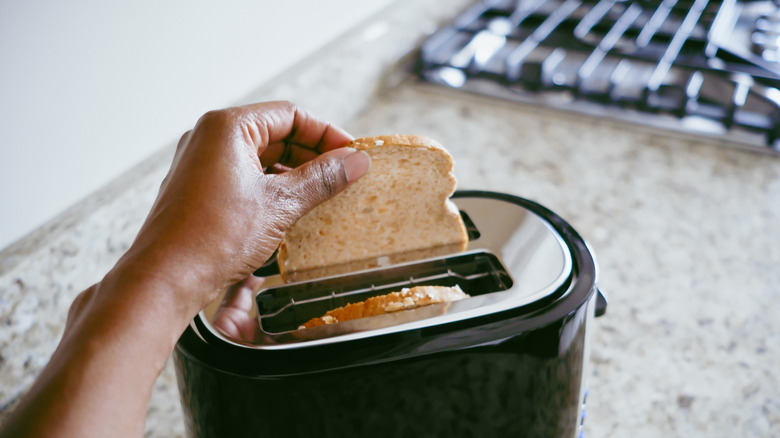
Ensure you use electrical equipment and appliances as intended –– we're talking about innovative "shortcuts" that might not be as beneficial as they seem. Never deep-fry food in a microwave, use a coffee grinder for wet ingredients, or skip putting on the guard when using a mandolin. Your lightbulb moment could end up in serious injury.
Always read the manual before using an electrical item for the first time and pay particular attention ones to ones with knives or blades. This is important if it's an item you have to assemble or have to take apart to clean. Always ensure electrical appliances are switched off before putting your hands anywhere near rotating blades and never tamper with an appliance that's plugged in. For example, do not put a fork in a toaster to fish out your bread, or force a pressure cooker open with a knife.
Think about your physical attire
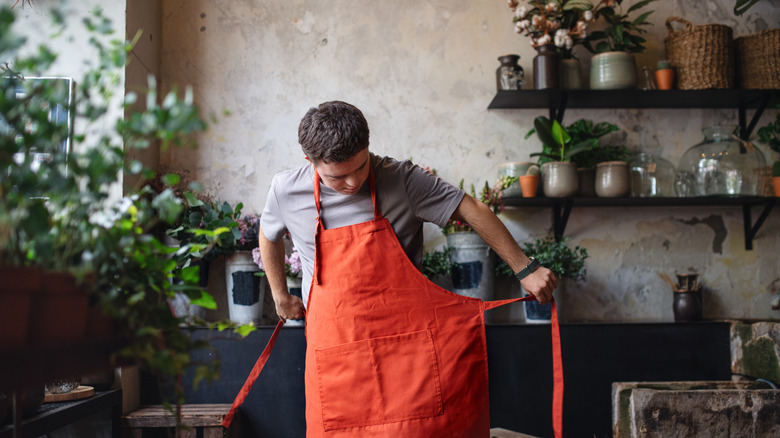
We get it, you're cooking at home, so you can wear what you want. However, if you're going to stay safe in the kitchen, then you should give some thought to what you wear. Avoid wearing loose-fitting clothing that can get caught in machinery or cupboard handles. Nylon may also be a material to avoid, as it can melt and stick to the skin. Some cooks like to wear an apron over their clothing, which helps prevent accidents and keeps clothes clean.
Tie back your hair if it is long – this serves a dual purpose, ensuring that your hair doesn't catch fire while also maintaining hygiene and preventing it from becoming part of the dish. The same can be said about jewelry. Don't wear loose items that can fall into food, or long necklaces that could get caught in a blender. You may also want to wear closed-toe, non-slip shoes in a kitchen.
Have a first aid kit on hand
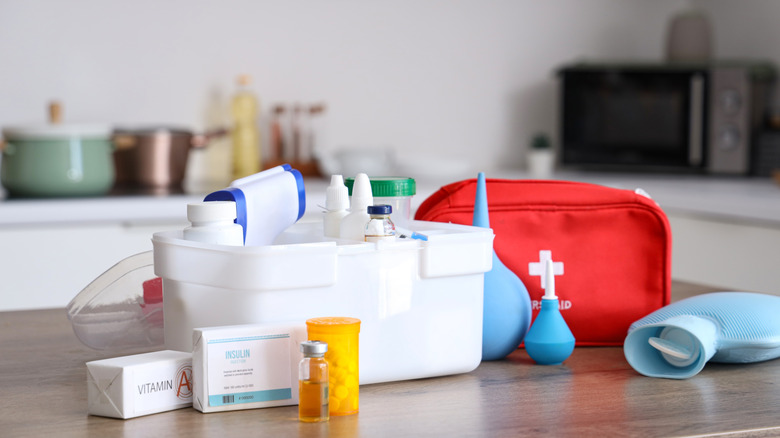
Accidents happen, and being prepared for them when they happen is important. This means having a first aid kit and a plan for what to do in the case of an emergency. The American Red Cross recommends a small kit containing dressings, bandages, antibiotic ointment, antiseptic wipes, and hydrocortisone ointment, along with aspirin, cold compresses, a thermometer, and a breathing barrier.
However, you may have the gear but not the knowledge of how to use it. The American Red Cross offers a range of online and in-person first aid courses, which will give you confidence to deal with kitchen-based accidents. The courses teach the essentials, such as what to do if a person is choking, how to treat burns, and what to do if a person is unresponsive.
Childproof your kitchen
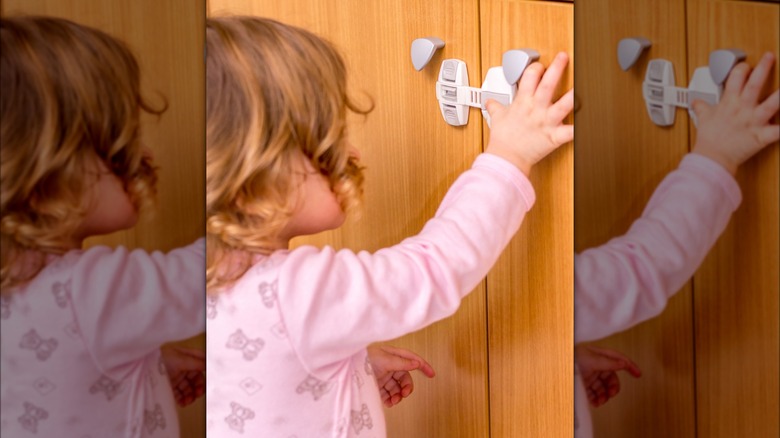
Last but by no means least, if you have kids or kids are likely to enter your kitchen, then it's important to consider some childproofing measures to keep them safe. In an ideal world, we would keep children out of the kitchen altogether while cooking. After all, the kitchen is filled with hazards, including hot water, open flames, and sharp knives. Some food safety rules are extra important when cooking around kids, including making sure pot handles are turned inward and using the back burners instead of the front ones to keep hot surfaces away from little hands. Not only should you keep cords away from water, but away from countertop edges so they can't be pulled down.
Consider taking some preventive steps to protect children. If a baby gate to keep them out won't work, then put locks on cupboards and drawers that house dangerous items, such as knives, cleaning fluids, matches, or alcohol, or place any other dangerous items out of reach. Consider removing stove knobs or using childproof covers. If your child must enter the kitchen, make sure they don't bring in toys that will create obstacles on the floor, and perhaps most importantly, teach kids kitchen safety as early as possible.