

Look For These Countries With The Safest Fishing Practices On Your Packaged Seafood

When you pick up packaged seafood, you may be unknowingly engaging directly with a global crisis unfolding beneath the waves — a tangled net of shrinking habitats and declining fish populations. Reading and understanding seafood labels is a frontline defense in a rapidly unraveling ocean system and is one of the important expert tips for sustainable grocery shopping. When checking the label, be on the lookout for products sourced from countries known for the safest fishing practices. Norway, Iceland, New Zealand, South Korea, Barbados, and several Pacific Islands – Palau, Micronesia, Solomon Islands, Papua New Guinea, the Cook Islands, and Vanuatu — are best overall, combining rigorous scientific stock assessments, strict quotas, and strong enforcement to protect fish populations, marine habitats, and fishing communities.
Today, global fisheries face unprecedented pressure. According to the United Nations Food and Agriculture Organization's latest global assessment, nearly 35% of marine fish stocks are overfished, while another 60% are fully exploited, leaving very few stocks in a healthy, under-fished state. Habitat destruction, illegal fishing, and climate change accelerate this crisis. Meanwhile, consumers can order flash-frozen wild-caught fillets with a click without understanding where they were coming from or how they were caught. But the complexity of supply chains and fishing practices makes finding ethical choices daunting.
No seafood purchase exists in a vacuum, and this doesn't mean you should curb purchases of your favorite seafood to throw on the grill: every choice either reinforces exploitative systems or supports efforts toward sustainability and better labor standards. Reliable data and science-backed certifications serve as maps in this complicated terrain. Organizations like Seafood Watch and Oceaneos integrate satellite tracking, stock assessments, and on-the-water monitoring to distinguish fisheries that limit bycatch, protect habitats, and enforce quotas. These fisheries strive to balance human needs with ocean health, recognizing that without managed marine ecosystem resilience, there will be no seafood at all.
Where the nets break the rules
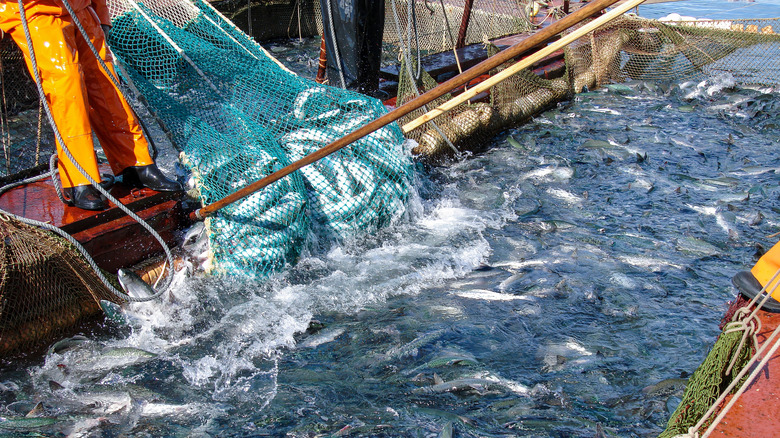
While some nations set the bar for sustainable fisheries, others lag behind, where overfishing, lax enforcement, and egregious labor abuses create a toxic mix of ecological and human harm. Thailand, one of the world's largest seafood exporters, has long faced scrutiny for its shrimp industry. Investigations reveal an industry running on forced labor, human trafficking, and near-slavery conditions aboard fishing vessels. These practices are inextricably linked to the global cheap shrimp supply chain. Economic pressures mean that truly ethical wild-caught shrimp usually carry a premium price; and if you're buying cheap shrimp from this region, it's likely you're unknowingly funding exploitative labor and unsustainable fishing.
Other countries, such as Indonesia, Ghana, and some West African nations suffer from rampant illegal, unreported, and unregulated fishing, undermining stock assessments and destroying marine habitats with destructive fishing practices such as bottom trawling, dredging, and blast fishing, which damage seafloor ecosystems and disrupt critical breeding grounds. Enforcement is weak or nonexistent, allowing vessels to flout quotas and gear restrictions with impunity. Such practices accelerate species decline and degrade critical ecosystems like coral reefs and seagrass beds. Transparency remains a major challenge in seafood supply chains, making it difficult for consumers to trace origins or verify sustainability claims.
Sustainable consumption of fish extends beyond sea life populations; it includes social responsibility. Protecting labor rights, ensuring safe working conditions, and equitable access to fishing resources are integral. Many top-performing fisheries enforce these standards through government regulation and independent certification bodies, recognizing that human well-being and ocean health are deeply interconnected. Such multifaceted approaches offer a blueprint for how fisheries can thrive amid environmental challenges, offering a glimmer of hope in the face of ongoing ocean disaster.
The last schools swimming
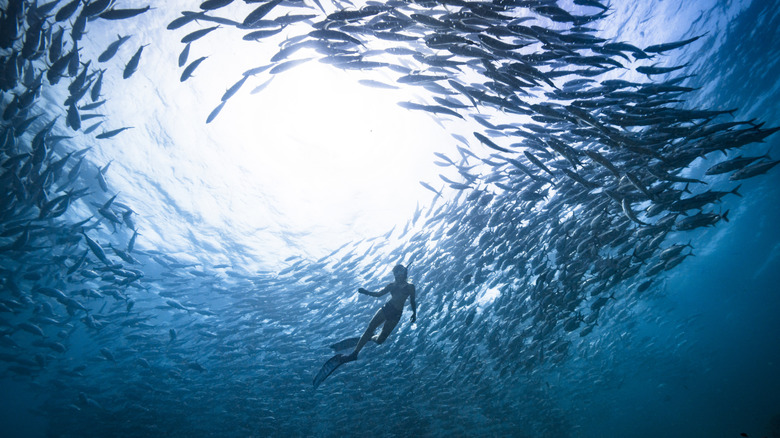
Our ocean's decline is heartbreaking and staggering: Since the mid-20th century, global fish biomass has dropped nearly 50%, driven by overfishing and habitat destruction. Coral reefs, the vibrant, species diverse cathedrals for much of marine life, have died out by half since 1950, impacted by warming, acidification, and pollution. Meanwhile, mangroves and seagrass beds, vital carbon sinks, and fish nurseries disappear at distressing rates. Climate change adds its own cruel hand, stirring currents, scrambling migratory maps, and pushing species out of balance toward unfamiliar waters or extinction. This tangled web of pressures calls for fisheries management as nuanced and interconnected as the oceans themselves. Science, conservation, and labor protections must swim together.
Sustainable fishing practices have become an especially critical priority in big fish industries like tuna, where balancing demand with conservation efforts is key to preserving both the species and the livelihoods that depend on them. For consumers, labels like the Marine Stewardship Council are useful tools, but they aren't foolproof. Knowing whether a certification accounts for ecosystem health, labor conditions, or both is vital. Resources like Seafood Watch turn data into clarity, helping consumers navigate toward fisheries that minimize bycatch, safeguard habitats, and honor the people who make seafood possible.
Perfectly ethical seafood consumption is elusive in a fractured system, yet every mindful choice casts a ripple, and collective consumer action has power. Each purchase supporting sustainable fisheries strengthens efforts to preserve ocean resilience, safeguard livelihoods, and protect the intricate web of life beneath the waves. It's crucial for our planet's health and our future food security.