

8 Facts About Sizzler, The Steakhouse That Helped Define 1980s Dining

If you grew up on the West Coast during the mid-to-late 20th century, or in an American suburb with a big family and an even bigger appetite, chances are you've spent an evening or two wrapped up in a lively Sizzler with a hollering youth soccer team, a few dozen plates of pasta salad, and juicy cantaloupe. For many, even a simple mention of the buffet and steakhouse hybrid brings up warm buttery memories of red vinyl booths and the feeling of abundance. It was a cornucopia of comfort. During a time when America was getting more and more occupied with upscale restaurants and the post-'50s fast food craze quickly took over as a cheaper alternative to fine dining, Sizzler sat right in between– a happy medium.
Now, as retro culture takes over popular culture and the appeal of nostalgia is increasingly more sought after, Sizzler is reminding us of those once authentically energetic times, when scrunchies, '80s rom-coms, good old-fashioned family outings were valued. Rekindling that vivacious '80s spark, Sizzler brings back the free-spirited nature of dining without rules, and the spontaneity of feasting on endless and eclectic varieties of food, never knowing what might grace your taste buds next. Sizzler helped define dining in the '80s, and that kind of timeless impact doesn't just fade overnight — even if the brand does have a bit of a rough patch along the way. Here are some key facts about the culturally trailblazing steakhouse and where it sits today.
Sizzler popularized surf and turf in Los Angeles
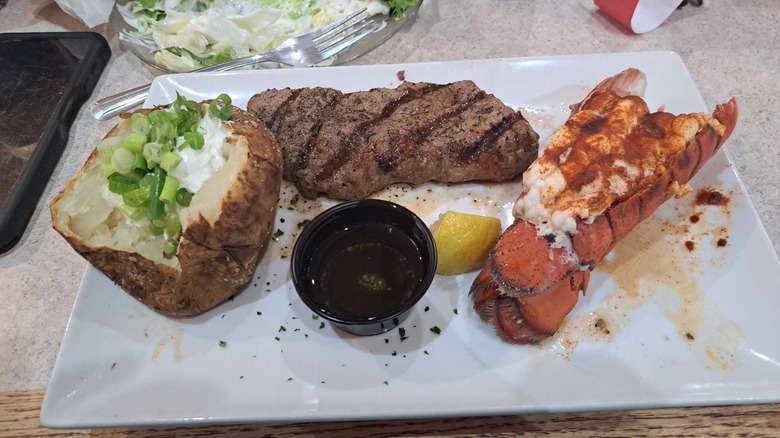
Sizzler, home of the common man's steak and shrimp, was born in 1950s Culver City, just a short plunge away from the bustle of old Hollywood and the coastal charm of Venice Beach and Marina del Rey. As it carefully branded itself to reflect the heart of West Coast culture, Sizzler introduced steak combination meals. While many restaurants in the city serving steak and lobster catered to more affluent locals and tourists willing to spend on fine dining, Sizzler kept the everyday Californian family in mind. This kind of attention to its target audience is exactly why the chain brought in a devoted following, positioning itself as a comfort spot and an affordable outing for many families.
It was one of the first chains to offer luxurious double meat options at such impressively low prices, which is why its surf and turf quickly became a fan favorite, and remains a mainstay of the grillhouse even today. In fact, the most expensive surf and turf item on the menu in 1986 was the steak and lobster, unbeatably priced at $9.99. It was ideal for both native Angelenos and California tourists who wanted a taste of coastal life without breaking the bank. Scallops, salmon, broiled shrimp, giant shrimp, and even an indulgent all-you-can-eat shrimp option took over the menu and reeled folks in. Sizzler was a West Coast oasis, representing a lavish lifestyle on a budget.
It once had a ZZ food truck
As a fun way of reeling back in customers during its infamous dry spell in sales, Sizzler rolled out the ZZ food trucks. The name was a clever nod to its brand identity, but still signaled that this initiative was its own entity — a quicker, more abbreviated way of delivering once-beloved steakhouse meals. Today, street vendors have acclimated to the modern world of Venmo and Cash App, with most even accepting a quick debit card swipe in exchange for a couple of tacos or a loaded hot dog. But in 2011, the idea of using point-of-sale technology on an iPad while ordering at a food truck rather than paying with cash was innovative, exciting, and even a bit gimmicky. It was just another aspect of the food truck concept that sparked curiosity and got people talking.
The project was a marketing-savvy one, rolling out menu items exclusively available at food trucks to test how these new options might perform if added to real Sizzler restaurant locations. Doubling down on this experimental technique, Sizzler placed some of its food trucks in towns where it did not yet have official restaurant locations yet to test if expanding there would be profitable. The concept struck a chord with youth culture, turning Sizzler into a spontaneously convenient spot, fit for a younger audience looking to make food discoveries on a whim. It was different from the restaurant's typical customer base: a sit-down crowd of senior regulars.
The first Sizzler was actually in a converted office trailer
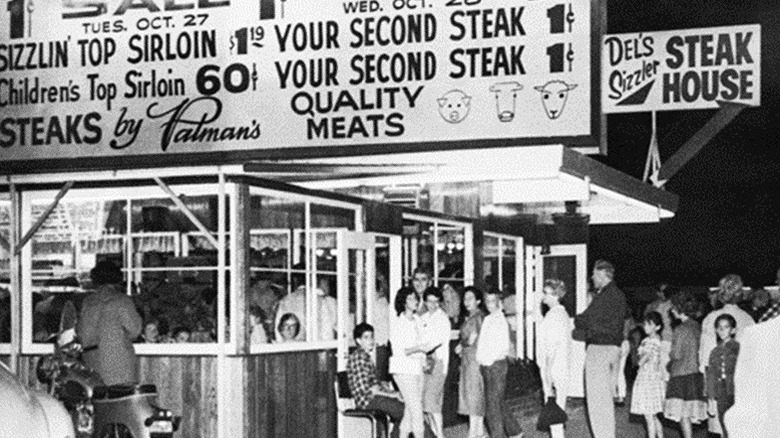
Who needs fancy dining? After all, Sizzler's never been one to hide its humble beginnings. The first Sizzler location opened in a humbly converted office trailer in Culver City. It was 1958, and drive-thrus were still all the rage. The Southern California streets were racing with cars caught in a fast-food craze. Chains like McDonald's, Jack in the Box, and In-N-Out were some of the hot spots for hungry diners who wanted something convenient and cheap. Sizzler ingeniously rode the wave of this booming culture around quick, informal food stops. It was an idea both resourceful and creative, just like the food truck they'd later deploy in times of financial hardship. So, in a way, the ZZ food truck was a thoughtful callback to the company's early days as a kitchen in an unconventional space.
The office trailer was an all-American concept imbued with themes of independence and modern entrepreneurship. It showcased the freedom Americans had to seize the century with innovation. A converted trailer restaurant also meant less commitment — a more casual dinner and less of a dip into one's disposable income, as this spot was far from fine dining. The trailer was serving up steaks for just under a buck in one of the most expensive cities in the country.
It originally had in-house butchers
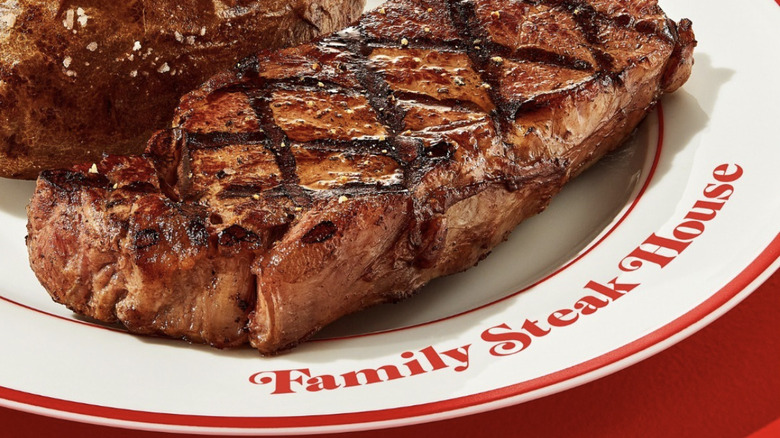
Honestly, this one sounds kind of grotesque. The thought of a butcher chopping up a hunk of flesh just a few feet away from where you're enjoying your fruit salad after your niece's volleyball game isn't the most family-friendly image. But this practice is actually what allowed Sizzler to be an accessible spot for common Americans. It was the secret behind its quality steak at wallet-friendly prices.
By employing on-site butchers to prep and slice meat, the chain was able to cut down its supply chain and as a result, its costs. During a time when most steakhouses were either entirely upscale or just plain cheap, Sizzler was able to figuratively (and literally) carve out a middle ground of its own.
And the approach wasn't only functional; it also built a sense of trust between meat-lovers and the up-and-coming chain. As weird as it is to imagine what was effectively a butcher shop in the kitchen, at least customers knew they were biting into something fresh. And steaks could be cut and prepared plenty of ways, meaning that there was more options for serving. This was a huge power move for Sizzler. It was a way of proving to the world that it was more than just a casual chain.
Sizzler's salad bar was a perfect fit for '80s vegetarians
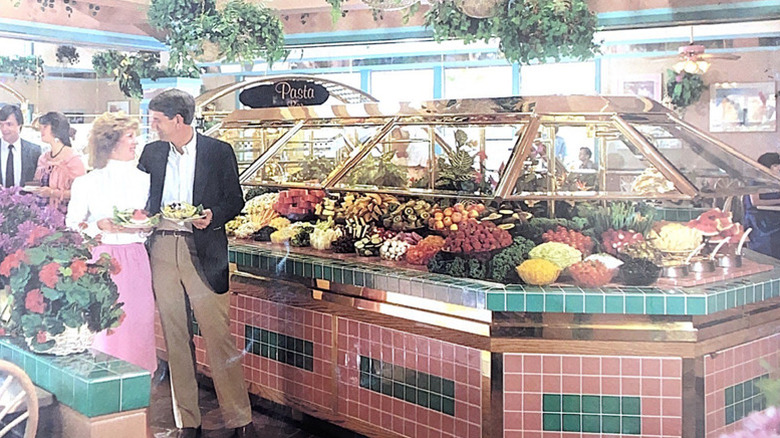
Sizzler spent the first two decades building a distinct meat-heavy identity, and then, in a twist of culinary irony, the food culture in California changed drastically. Beef was being swapped for salad, and meat took the backseat. In the late '80s, when this trend of lighter eating became more mainstream, steakhouses had to find inventive and appealing ways to adapt to the latest dietary trends. It wasn't as cool to be doubling down on steak and lobster in this new era of eating. Having recently introduced its famous salad bar in 1978, it was an easy marketing pivot for the restaurant to make.
Sizzler started building up the salad bar as a safe place for hungry herbivores. The option replaced grilled entrées with a glorious and colorful display of sides and fresh veggies. This way, vegetarian diners could feast on nutritious greens and still feel just as full as they would with meat-based entrées. With tongs in hand, they stacked their plates with mountains of iceberg lettuce and garlicky croutons like architects of wellness. Just like that, Sizzler was no longer a place for only steak-and-potato lovers, but a haven for all palates.
It was known for its cinematic commercials
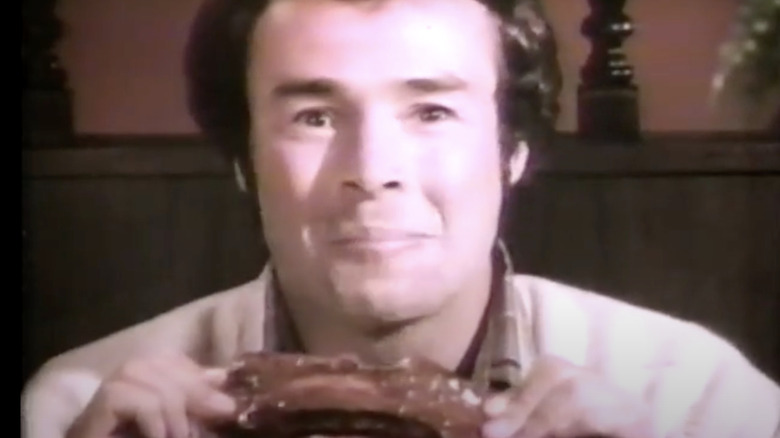
Sizzler didn't just advertise during commercial breaks; it used the opportunity to put on a show of its own by featuring mini movie scenes, complete with story arcs and swelling music. Its commercials were memorable and played into the cinematic feeling of going out for a night with friends or family. Sizzler even tried to brand itself as an affordable date night option. In a 1986 commercial, it played into modern rom-com tropes so, naturally, you'd think you were watching a clip from a real '80s movie. In one commercial, a woman requested a steak and lobster dinner from her date, who was pleased that Sizzler offered an affordable steak and lobster dinner. The narrative included sitcom-styled dialogue and jokes so funny, you'd have no choice but to watch actively.
In a 1984 commercial, Sizzler brilliantly cast voice actor Percy Rodrigues, known for his work in the "Jaws" series, to narrate the theatrical cutting, basting, and serving of tangy barbecue ribs. With the help of Rodrigues, it was less of a commercial and more of a blockbuster-styled trailer — for your next mouthwatering dinner.
Jodie Sweetin aided its comeback with '80s nostalgia
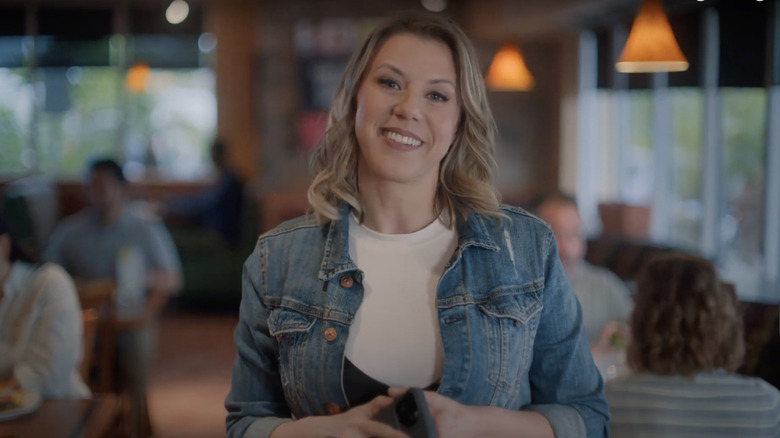
When the chain hit a major financial hurdle following the turn of the century, it masterfully called upon some of its old tricks. After all, Sizzler was founded in the epicenter of great cinema. If there was a secret ingredient to its success, it was its inherited Hollywood-like ability to create a mini food flick. Plus, Sizzler had the power of nostalgia on its side.
During its 2023 resurgence, Sizzler campaigned with a clever nod to its heyday, calling upon an iconic 1987 commercial that starred a young Jodie Sweetin, pictured stuffing her face with fries and greens while welcoming the arrival of more yummy food. The actress, who went on to be well known for her character Stephanie Tanner, in ABC's "Full House," made a sentimental return to the screen alongside the buffet-styled chain, joking that neither of their careers are done for. Playfully, she says, "I started my career here at Sizzler, and I'm here to tell you, it's still as good as ever — Sizzler that is! And ... my acting too." That comedic beat coursed through the entirety of the script, with similarly satirical jabs at her acting career. The commercial isn't just nostalgic; it's honest. It's yet another on-brand example of how Sizzler doesn't take itself too seriously, because it is the people's steakhouse. They aim for authenticity, not pretentiousness, which is exactly why they attract a following of everyday Americans.
Sizzler brought back a vintage feel with its new logo
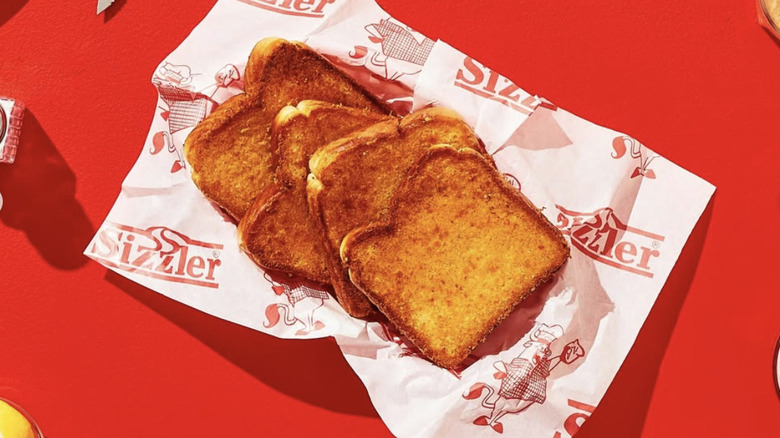
In 2024, the casual-dining grillhouse rolled out a visual rebrand steeped in vintage charm and seared with modern flair. It was an homage to the glory days of mid-20th century dining, ambiguously styled to evoke warm and fuzzy memories from the '60s, '70s, and '80s. Although it kept the iconic smoking Zs, the company reworked some of the other key visuals.
Back in the '60s and '70s, Sizzler proudly flaunted the Windsor font. It was about as whimsical and vintage looking as a typeface could be. So, it only made sense for them to take this font style off the coat hanger and try it on once again — updated, of course. It used a new cut of Windsor to spice things up a bit, and even paired it with the more modern typeface Block Berthold to add some diversity. It also modernized its color palette, swaying away from the singular classic red shade atop a dark green background and into something more storyful. This reinvention featured deep maroons, classic red, and light beige, sneakily mimicking the gradient of a medium rare steak. But the best part of all? The new artwork featured lovable '50s-inspired characters like Ribby Rib-Eye, Toasty the cheese toast, the Salad Bar-barian, and Rippy the lobster tail! Needless to say, the retro charm here is cooked to perfection.