

The Seasoning Method You Need To Follow When Cooking At Home

We all know that proper seasoning can make or break a home-cooked meal. Thus, choosing the right method to follow when cooking at home matters. We spoke to four chefs, and they all agree that one method is best for home cooks: season as you go. For Emir Dupeyron, co-owner of Dolores, the method is non-negotiable. He states, "I only season as I go, on every process or any other ingredient added, I will taste and season." Lexi Stahr, chef at Lucky Charlie, echoes this sentiment, stating, "I always recommend seasoning as you go. In general, I would say seasoning as you go is the best way to achieve balance and continue to taste and taste and taste." Derek Piva, executive chef at The Restaurant at Tu Tu' Tun, takes the same approach as the other chefs. "Season thoughtfully and incrementally — don't wait until the end," he says.
Ji Hye Kim, chef and owner of Miss Kim & Little Kim adds that it is important to season your food in layers. She elaborates, "Season as you go, and taste as you go. It's easier to season that way because you let things cook and taste, layering the flavors and letting the seasoning meld together."
When you add salt when seasoning your food matters
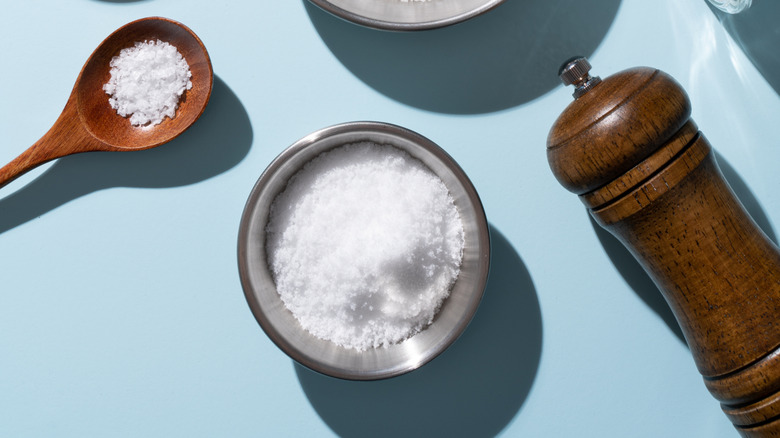
In addition, all four chefs we spoke to stress that when you season — at the beginning versus the end — matters just as much. This is especially true with salt, and the timing can differ depending on what you're adding salt to. Stahr recommends, "Salt meat as it's coming to room temp ... For vegetables, you should add salt at the beginning of sautéing to help draw out moisture, and then you can add salt and other seasonings toward the end of the cook for taste. Final seasoning should be done just before serving — fresh herbs, citrus, finishing salt."
Piva points out how much salt you add matters, stating, "Start with a small amount at the beginning, then continue in intervals — especially after major changes like adding liquid or proteins. Use less than you think each time; you can always add more." We agree here, for it is always easier to add seasoning as you cook than to balance out too much. Once ingredients like salt dissolves, you can't remove it. While there are ways to fix oversalted sauces and dishes, you can only do it by adding more ingredients.
Dupeyron adds, "... if you are making a reduction, you will season salt at the very end. For any other recipes, salt as you go." So the next time you're turning red wine into the perfect pan sauce, be sure use salt as your grand finale.
To season like a pro, be sure your dish has layers of flavor
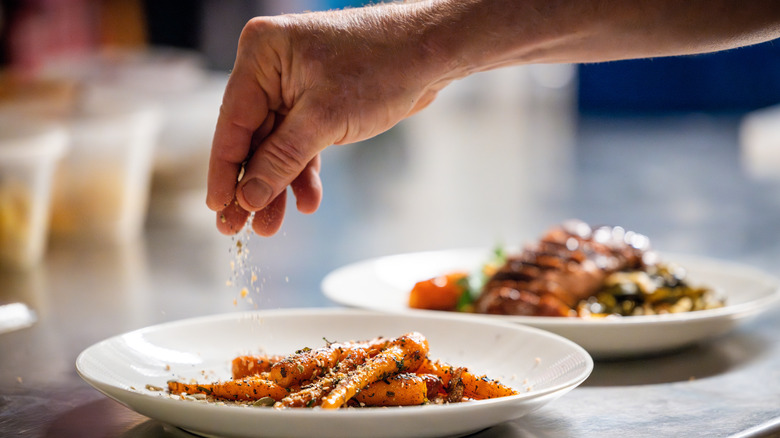
Beyond using salt and seasoning as you go, the chefs also agree that other seasoning and flavors are essential to building a dish with layers. Piva states home cooks should "learn to taste like a chef." He wants you to ask and tell yourself, "does it need acid, fat, sweetness, salt, or heat? Trust your palate and adjust gradually."
Kim states every ingredient should shine, adding, "Each ingredient is different based on the season or location. It's important to adjust the seasoning based on how the ingredients are that day." As for Stahr, she feels you should look at your pantry and see if it needs an upgrade. She advises, "Get that iodized salt out of your kitchen and pick up some kosher salt. Then get some finishing salt like Maldon ... Don't rely on salt only and don't be afraid to use MSG, vinegars, anchovies, bitter herbs, etc."
Following these chefs' pro tips, every dish you cook at home has the potential to taste like it came from a chef's kitchen. And if you're ready to amp up the flavors of your home dishes this week, be sure to explore our list of 24 seasonings from around the world to update your pantry.