

8 Dishes That Intimidate Home Cooks But Are Surprisingly Easy To Prepare

Some people are natural born cooks, and others have a trickier time putting meals together. If you fall into the latter category, chances are you can achieve more than you think. It's easy to become intimidated by recipes and the appearance of certain dishes and assume there's no way you can make them. While there are some dishes that total amateurs probably shouldn't attempt (say, a tiered cake with elaborate frosting), plenty of others are easier to make than you might think. In the name of culinary expansion, we asked professionals for insight as to what dishes aren't all that hard to make.
Keeping in mind that home cooks are likely more inclined to pose this question, we spoke to a couple of culinary school instructors for a balanced take. Alana Maas, co-owner and culinary instructor of Northwest Culinary Academy in Vancouver, British Columbia, and "Chopped" Canada winner, shared some advice about cooking seemingly tricky dishes. Meanwhile, Angie Quaale, owner of Well Seasoned, a gourmet food store and cooking school nearby in British Columbia, opened up about tips for stepping outside of your culinary comfort zone.
With expert guidance and a little bit of extra courage, you'll soon find yourself in the kitchen preparing dishes you had previously deemed only restaurant worthy. Whether you've been hesitant about making bread or stirring up the perfect risotto, it's time you gave it a shot.
Soufflé
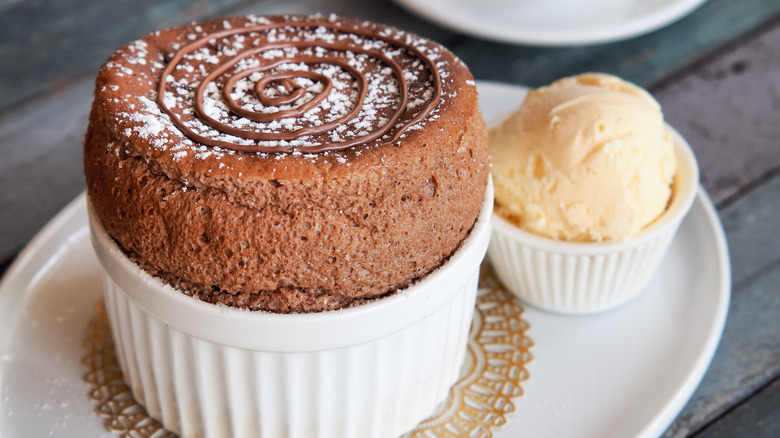
Angie Quaale starts strong when listing dishes that intimidate home cooks but aren't as difficult as you'd think. "Soufflés top the list — they have a reputation for being temperamental, but they're not nearly as scary as people think!" It's natural to be hesitant when staring down at a soufflé recipe. After all, the egg-based dish has long been described as finicky and tricky to make.
As Alana Maas points out, there are several factors that might cause issues along the way: "Do you really need to be quiet? How far do you need to whip the egg whites? What causes it to deflate?" However, what it really comes down to is being careful with the process. You'll want to follow the instructions step by step, measuring ingredients carefully, whisking the egg whites, and checking the timing. A bit of yolk in the egg whites might seem inconsequential, but due to the precise chemistry at play, it could be the reason your souffle fails. Room temperature eggs also tend to have better results, so plan ahead or use a quick trick to warm them up.
Fresh pasta
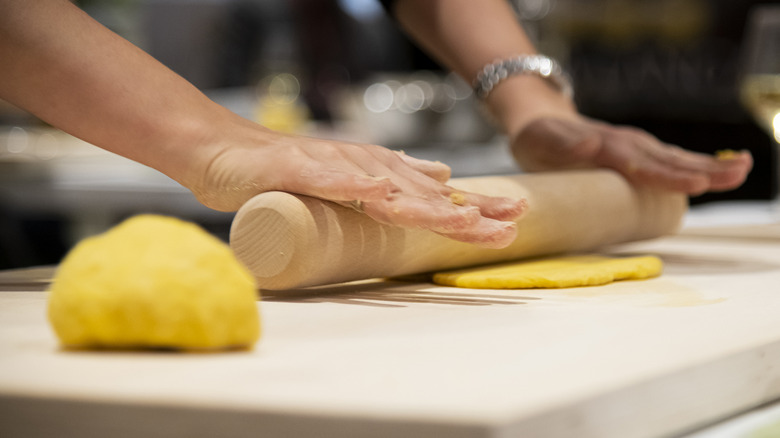
You might think you need a culinary degree to make pasta from scratch, but it's relatively straightforward when you get down to it. Both Angie Quaale and Alana Maas acknowledge that fresh pasta intimidates home cooks, and Maas notes some of the common issues that can cause worry: "Is it too dry? Too wet? How long to proof and rise? Is it cooked through?" Ultimately, she notes that "It requires a lot of experience to know the feel of the product and how to cook it properly."
Nevertheless, there's only one way to get experience, and that's by practicing it yourself. There are several tips to master for perfect homemade pasta, from your workspace and the equipment you use, to the type of dough you choose to make. For example, egg pasta has a more pliable texture, which might be easier for beginners to practice. Meanwhile, the right type of flour can make a big difference, as can the duration you knead the dough and let it rest. Making fresh pasta from scratch requires patience, so you'll want to set aside enough time for the project. With time on your side, this intimidating dish can come together seamlessly.
Bread
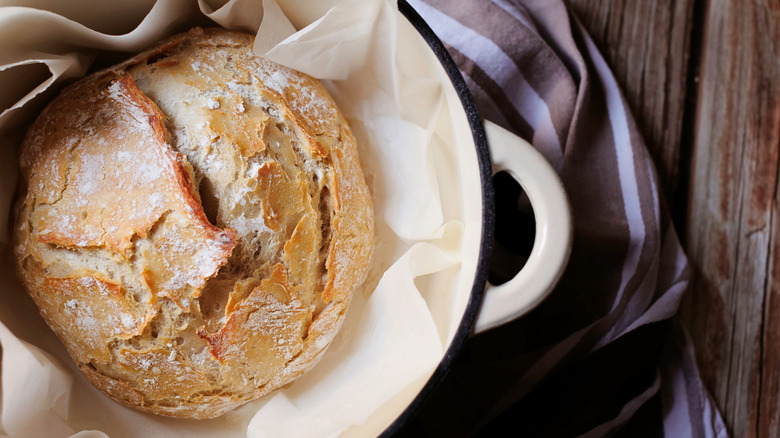
Bread is another flour-based dish that can intimidate a lot of home cooks, but it doesn't have to have that effect. Sure, trying to perfect a French baguette on your first try might not yield successful results, but there are plenty of bread recipes that beginners can tackle. "Having a few significant 'wins' in the kitchen can really boost a nervous cook's confidence," Angie Quaale comments.
She notes that recipes involving yeast tend to make some people trepidatious, adding, "yeast can feel intimidating because it's alive and requires a little patience (and the right environment)." Quaale suggests, "no-knead recipes are perfect for beginners, they require minimal effort and deliver amazing results."
Instead of kneading your dough until it reaches an ambiguous state of perfection, just combine the ingredients, let the dough rise, then bake. Alana Maas points out that part of what makes it intimidating is "because it requires a feel and not a set measurement of ingredients." Start with a no-knead recipe or a simple bread dough, and work your way up as you begin to recognize the characteristics that lead to a good rise.
Risotto
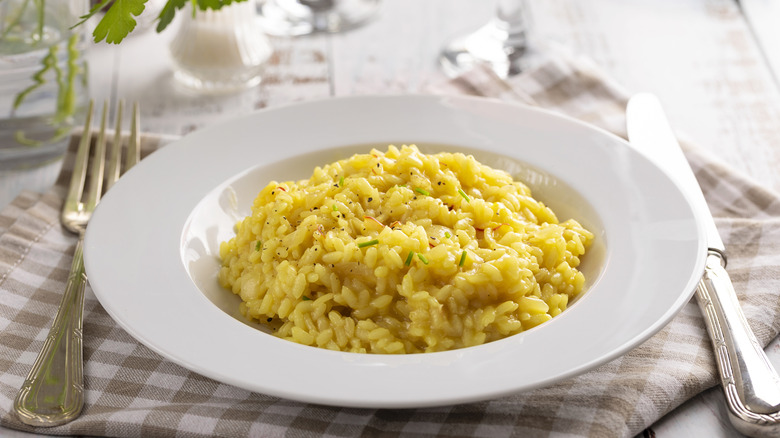
The elusive risotto has long been described as a recipe that requires never-ending stirring. As Angie Quaale notes, "people worry they'll be chained to the stove stirring for hours which isn't the case at all." Although it might not be the most hands-off dish, there is nothing inherently technical about making risotto. Certain factors cause people to feel intimidated when trying the recipe for the first time, but with a few tips to keep in mind, even beginners can make delicious tasting risotto.
For starters, it's important to use the right type of rice — arborio or carnaroli are short grain rice with a high starch content, essential for creating the creaminess that makes risotto so iconic. Meanwhile, don't try to add all the ingredients at once; it's important to add the broth bit by bit, allowing the rice to absorb the liquid before adding more. This helps the grains release more starch, which lets the rich consistency develop over time.
Forget what you've heard about risotto; there's no need to stir the rice non-stop, as that can cause it to become gluey. Every minute or so give the mixture a stir; it'll be ready in about 20 minutes, so you won't have time to tire yourself out. If you want to skip the stovetop altogether, Quaale suggests an oven-baked version, which she describes as being just as creamy, but requiring far less stirring
Cooked fish
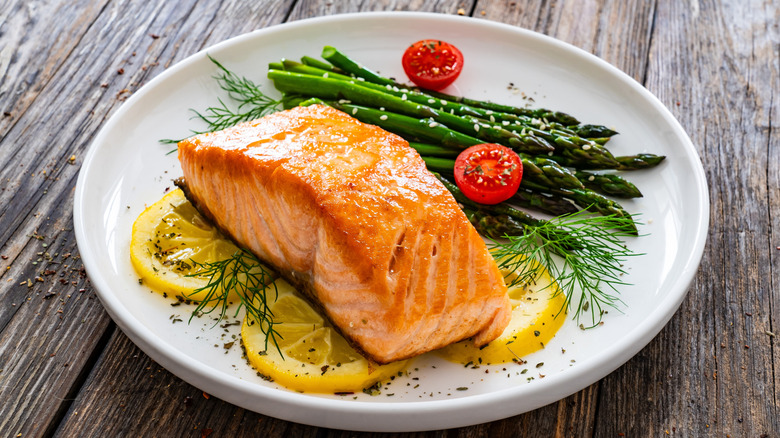
Whether you're uncomfortable about the smell or worried about overcooking it until dry and unpalatable, cooking fish can be intimidating. Angie Quaale notes, "Delicate proteins like fish can be tricky because they cook so quickly and can fall apart if handled too much." Nevertheless, it is totally achievable to cook fish no matter your skill level. If you're just starting off, choosing the right fish and technique will eliminate stress.
There are plenty of tips you need when cooking fish, such as knowing when to add moisture, leaving the skin on, and not flipping it more than once. As Quaale points out, fish can break pretty easily, so it's important to use a light touch. Heartier fish like salmon and halibut might be easier than something like cod, for example.
Different cooking methods like baking, broiling, and steaming are less hands on than pan-frying for example. For the ultimate fish meal that's easy to prepare and packed with flavor, try cooking it "en papillote." This method calls for placing the fish on a piece of parchment paper, adding vegetables, herbs, and butter or olive oil before folding the paper over like a little package. Bake the parcel at 400 degrees Fahrenheit for 10 minutes or so while it steams, then enjoy.
Fried foods
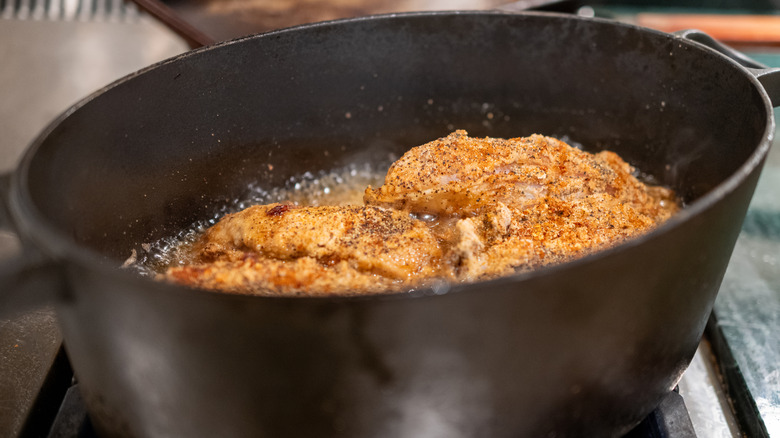
Deep-frying might feel like a technique best left to the experts, but with a few key tips, you can do it at home. "Deep-frying scares a lot of people, mostly because of the hot oil," Angie Quaale says. As long as you avoid some common mistakes everyone makes when frying food, you'll see it's not that complicated. Safety is definitely a factor, as hot oil can cause burns, but it's mostly a matter of paying attention to what you're doing and not leaving the kitchen while food is frying.
For starters, you don't need an actual deep fryer to achieve successful results. Using a cast iron pot with high sides is a good alternative, since it retains heat and prevents the oil temperature from dropping quickly when you add food. As it turns out, low oil temperature can ruin your fried dish, leading the food to absorb oil instead of producing a crispy shell. Make sure to avoid overcrowding the pot too, as the oil will rapidly drop in temperature if you add too much. Finally, make sure not to add wet food to the hot oil, as it will cause splatters which can be hard to avoid while standing by the stove.
Foods with specific timing
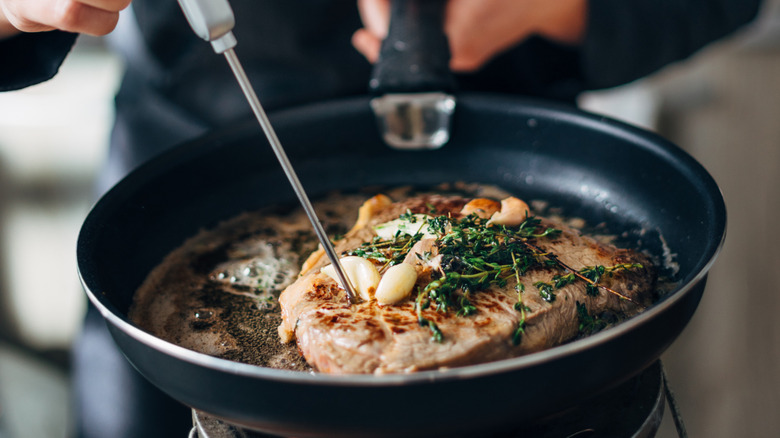
Some dishes leave room for flexibility, allowing home cooks to switch up the ingredients and play around with timings. However, that's not always the case, and just as many dishes require precision. "Anything that involves timing, like searing meat or making caramel, tends to make home cooks nervous because there's a small window between perfect and burned," Angie Quaale points out. Dishes like soufflés and certain sauces like hollandaise require a set duration.
To mitigate the worry that you may just burn your perfect cut of steak or ruin a pastry, she recommends, "An investment in an inexpensive digital thermometer will make cooking foolproof! When you're not guessing temperatures all of these techniques can be easily mastered!" As you develop skills, practice different techniques, and repeatedly cook certain dishes over time, you'll start to get a sense for it. As Alana Maas shares, "When you're able to identify the difference in temperatures and how they affect your food, timing comes more naturally without having to set timers or be concerned about undercooked or overcooked food."
Dishes with too many ingredients or cooking methods

It's hard not to be intimidated when you find a recipe that sounds delicious but has a long list of ingredients and an elaborate process. Don't let that stop you though. "I believe that practice makes it easier and being prepared ahead of time can help ease the daunting feeling of having to do too much," Alana Maas says and recommends, "If you're trying to attempt a dish that you feel is tricky or difficult, start prepping it a little bit at a time ... execution of the dish will be faster and seem less intimidating." Angie Quaale agrees that planning ahead will set you up for success. "There's nothing worse than getting part way through a recipe and realizing you're missing an ingredient because you didn't read it properly," she warns.
Aside from being prepared, Quaale notes, "Most of the time, it comes down to perception. People see a fancy restaurant dish or a beautifully styled photo online and assume it requires professional skills or lots of special equipment." There's also the worry that if you mess it up, you'll be disappointed and ruin dinner. "The truth is, many of those 'intimidating' dishes are absolutely doable at home with the right techniques and a little patience," Quaale asserts. Meanwhile, Maas suggests starting with simpler dishes and working your way up from there. "I would be looking for recipes that are efficient and not overly complicated but still satisfy the restaurant feel."