

Rick Steves' 10 Best Tips For Dining On Vacation

We may receive a commission on purchases made from links.
When you go on vacation, one of the main highlights is often the food. Whether you are staying within your own country, but eating out every night, or heading off to foreign shores where you don't speak the language, you want to have the best chance of eating top-quality food without paying over the odds, and ideally enjoy the atmosphere as much as possible too.
Rick Steves has been enlightening the American public for many decades on the best way to travel and get the most out of your experience. While he focuses mainly on Europe, his travel and dining tips can be applied virtually anywhere and will save you from falling into most tourist pitfalls.
From heading to the back streets to eat where the locals eat, to ordering seasonal regional specialties, Steves' advice will help you keep more cash in your wallet, and create culinary memories that will last long after you have arrived back home. If you have a trip coming up or just want to get some ideas for future vacations, let's take a look at Rick Steves' 10 best tips for dining on vacation.
Look for places that are full of locals
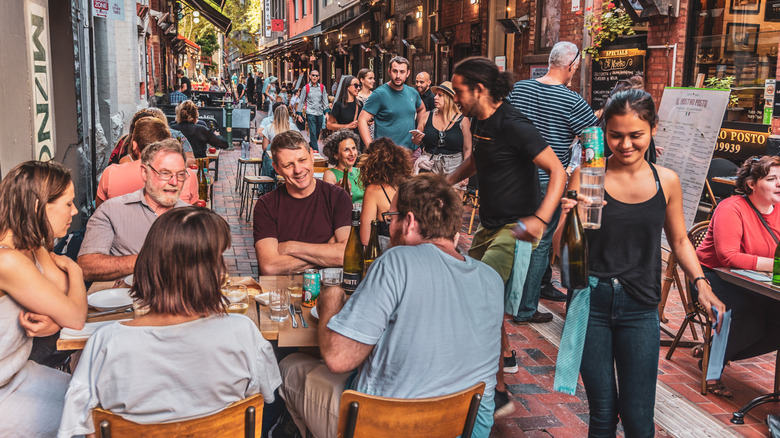
If you want to get a real feel for a location and experience it in a way that most tourists won't, it's time to start thinking like a local. As you walk down Las Ramblas or along the Grand Canal, you will see plenty of dazzling eateries filled with tourists taking in the view, but you are unlikely to see many locals. If the prevailing language is English rather than the local dialect, you may want to keep searching.
Rick Steves advocates always eating where the locals eat, to ensure you don't get ripped off by high prices and underwhelming food, and to give you the chance to immerse yourself in the culture of your location. "I look for a small handwritten one-language menu," advises Steves, explaining that a hand-written version means that it changes regularly based on what is available in the market that day, meaning the ingredients are guaranteed to be fresh. Tourist restaurants may have enormous menus written in six different languages, but an authentic restaurant will have a small menu that focuses on a handful of quality dishes, and is written only in the native language.
If you want to go a step further, try to interact with the locals and get recommendations from them on where to eat and what to order. Steves suggests spending time talking to them at the bar, or eating at the university, to give you a chance to practice your language skills while you indulge in the local cuisine.
Fill up at hotel breakfast to save money

Rick Steves doesn't always recommend that you pay for a hotel breakfast, pointing out that more economical options can often be found in local cafes. However, if you are in a particularly expensive city, or if breakfast is included in your hotel rate, he advises that you can use a breakfast buffet to save money for later in the day.
A classic example that Steves refers to is the price of food in Scandinavia. This beautiful corner of Europe is known for fantastic delicacies and a price tag to match. However, breakfast is often included in the price of the room, and we're not talking about a pastry and a cup of coffee. The Smorgasbord is a huge selection of food, both hot and cold, including fruit, cheese, cold meats, fish, breads, and cereal. With a selection of delicious food spread out in front of you, it makes sense to both your wallet and your taste buds to enjoy as much of it as possible, and make breakfast your biggest meal of the day.
Make tactical choices that will keep you full for the rest of the morning — think whole grains, legumes, and healthy fats from eggs or avocados. Scandinavian breakfasts are typically high in protein, which will also keep you feeling full in case you need an excuse to pile the smoked salmon onto your plate. If you follow the proverb and "eat breakfast like a king and dinner like a pauper," you may find that you can save quite a bit of money without missing out on the local delicacies.
Watch out for a lack of prices
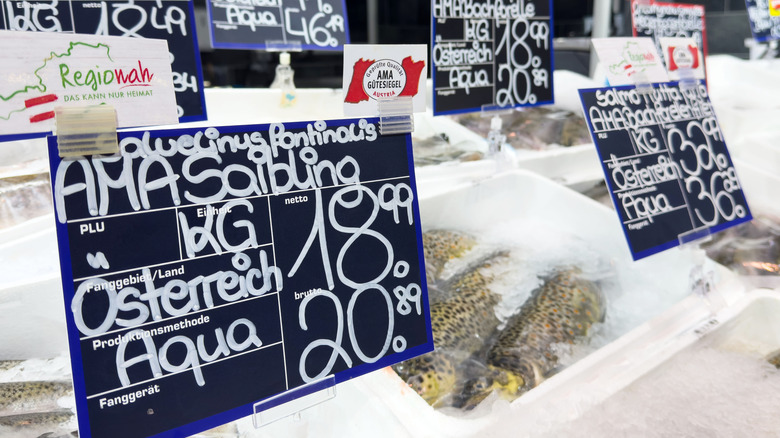
When shopping at the market on vacation, the first thing most of us do is take a glance at the prices as we wander round the stalls. If there are none, you can take this as a warning sign that you are not going to get good value for money. Rick Steves explains that in some tourist hot spots, there are two hidden price brackets — one for the locals, and an inflated version for gullible tourists.
When you arrive at the market, look for stalls that have the prices clearly displayed. Remember that in Europe, prices will be per kilogram of weight, so you may need to do some quick math to check if what you are buying is good value. The same can apply to street food vendors, so make sure that you are getting the same rate as the locals by only purchasing if the prices are clearly displayed.
In restaurants, you can expect the prices to be on the menu, but you should be wary about fish or meat that is priced by weight. The 10 euros listed for a steak Florentine is likely to be the price per 100g, and you could get a nasty surprise when the bill arrives for your 700g piece of meat. If ordering something priced by weight, always ask before they cook it what the final cost will be, and don't be scared to ask for a smaller piece if it is out of your budget.
Head off the beaten track
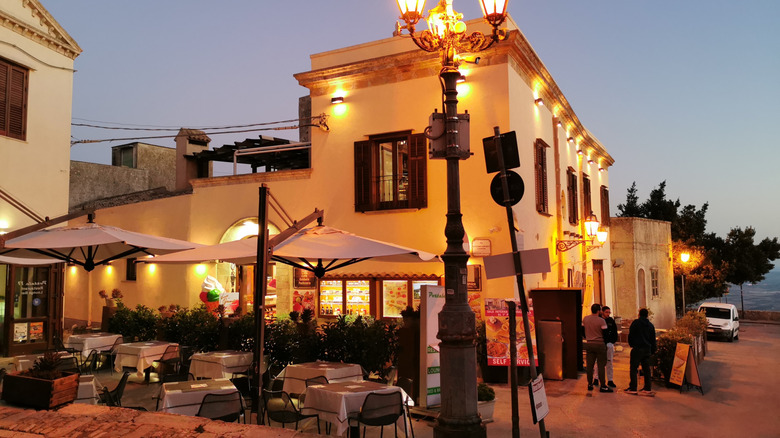
When you first arrive in a location, it is tempting to head straight for the biggest attraction and grab a seat in a restaurant directly opposite to take in the view while you order. However, there are a few issues with that strategy. First of all, virtually every other tourist will have had the same idea, and getting a table in the first place could be challenging. But more importantly, these restaurants will be taking advantage of their prime location for tourists by overcharging and potentially serving mediocre food.
Rick Steves points out that these super-touristy restaurants have an extortionate rent to cover, meaning you are never going to get good value for money, even if the food is above par. Instead, he recommends heading off the usual thoroughfares and searching for a more authentic establishment. You don't need to trek around the city for hours to find somewhere more appropriate — just a few blocks will do, to get away from the flashing lights and major attractions.
If a restaurant doesn't have an amazing view of the major tourist attractions, it will need to focus on impressing diners with great food and impeccable service instead. If a restaurant is catering for locals, rather than tourists who are just passing through, they will need to ensure their diners return, meaning a much more delicious meal for you. Your reward for walking for a few extra minutes will be more authentic dishes, a focus on personalized service, and a chance to experience the location in a different way from the average tourist.
Order what's in season
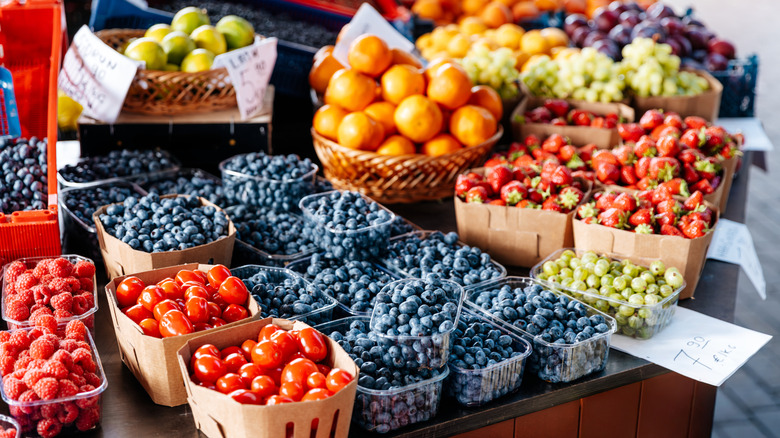
While it can be tempting to head to a foreign location with a firm idea of what classic dishes you plan to eat, Rick Steves recommends keeping an open mind and waiting to see what is available seasonally. Seasonal food that is locally grown is always going to be fresher and more flavorsome than frozen or imported ingredients, and Steves advises sticking to the seasonal dishes that locals will be enjoying.
A classic example that Steves gives is ordering French onion soup in France. This is a quintessentially winter dish, but tourists request it year-round in Paris and other tourist hotspots. While many restaurants are happy to profit from the requests by creating an out-of-season dish, choosing a more summery option in the hotter months will result in a higher quality and more authentic dining experience. Instead, ordering a seasonal soupe au pistou, packed with summer veggies such as peas, green beans, and zucchini, would be a much better choice.
Ordering seasonally also means that if you visit the region again at a different time of year, you get to enjoy a completely different experience. Enjoying a fresh Caprese salad with juicy tomatoes in summer and a comforting tortellino in brodo in winter means trips to Italy can be varied and authentic.
Try local specialities
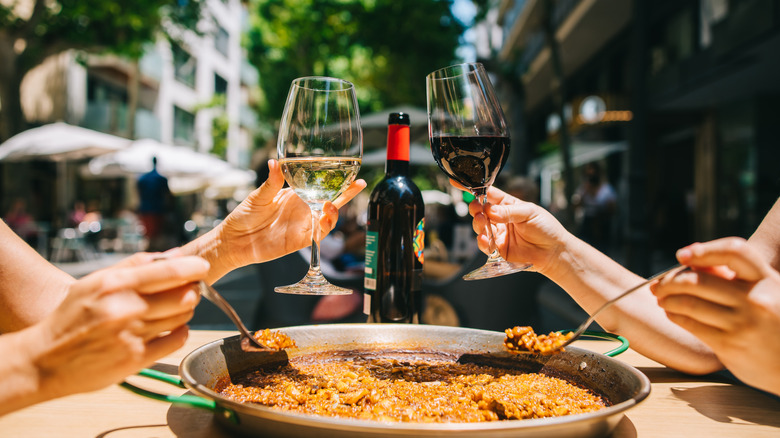
Rick Steves has a few fundamental rules for eating out while on vacation, and though one of them may seem fairly obvious — eat local specialties — we can sometimes end up sticking to the same stereotypical dishes that are offered to tourists. A classic example of this is the food in Northern and Southern Italy, where the styles of ingredients used are very different.
While we tend to consider all Italian food under the same umbrella — pasta, pizza, tiramisu — the regional specialties are very different from each other. In the north, the food is much heartier, and meat and heavy sauces are more likely to feature on the menu. Travel further south and the cuisine becomes lighter and more focused on fresh vegetables and fish, especially on the coast. If you order a lasagna in a tourist restaurant in the south, you will likely get the traditional, Bolognese lasagna that is a regional specialty in the north, where it originated. An authentic southern Italian lasagna, however, is more likely to feature lighter ricotta cheese, which changes the texture and experience of the whole dish.
Steves emphasises the importance of regional ingredients with the Italian quote "La miglior cucina comincia dal mercato," which means the best cuisine starts from the market. Finding an authentic Italian trattoria means you are likely to be served ingredients that have been freshly picked or caught nearby, rather than a culinary cliché that tourists are ordering in their droves.
Take a phrase book (or app)

If you want to have the best possible dining experience on your vacation, it helps to know exactly what you are ordering. Rick Steves' simple advice is to keep a phrase book on your person when eating out, to prevent accidentally eating something you would rather not. No one is expecting you to become fluent after a few days in a new country, but learning a few key phrases can help avoid any culinary incidents.
If you are traveling in Europe regularly, a European phrasebook can be a handy purchase, allowing you to learn essential phrases in 15 different languages. If physical books are not your thing, or there simply isn't a single inch of space to spare in your hand luggage, there are plenty of phrasebook apps available for Apple and Android that will allow you to have important gastronomic phrases at the touch of a button.
If you follow a strict diet, Steves also recommends being very firm when explaining to servers, to ensure you don't end up eating something unexpected. He uses the example that the word vegetarian can often be understood in Europe as not eating "much" meat, rather than none at all. If you cannot eat a certain food for ethical or health reasons, be sure to use your phrase book or app to find out how to convey this information to staff in no uncertain terms.
Be sure to try the street food
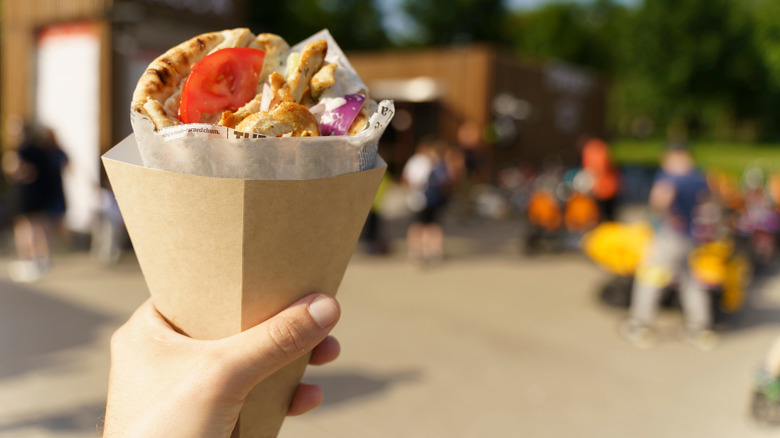
Not every culinary experience on vacation needs to be in a fancy restaurant with a wine list the length of the tablecloth. Rick Steves encourages travelers who are looking for top-notch, authentic local cuisine to try street food and entice their palates without breaking the bank.
Steves explains that mouthwatering snack food can be found from street vendors in virtually every European country, from souvlaki in Athens to various types of Wurst in Berlin. This food is not fussy or expensive, but is based on traditional recipes packed with regional flavors. Another benefit to street food is the speed — you won't necessarily want to sit down for a leisurely three-hour meal every evening. By eating on the go or snacking at a bench in the park, you can free up more time for sightseeing or relaxing on the beach.
Another similar option that Steves advocates is buying food from a local market and having yourself a picnic. He calls himself a "picnic connoisseur," and eats this way most days when traveling. A French baguette filled with jambon and a few slices of brie enjoyed overlooking the Seine will give you just as authentic a Parisian experience as spending a few hundred dollars in a Michelin-star restaurant, and it may even end up being one of the more memorable moments of your trip.
If you want a low stress option, go for the tourist menu
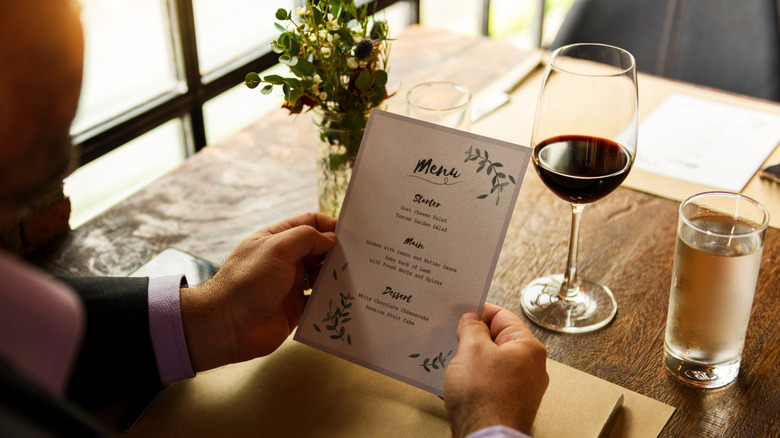
In spite of Rick Steves' warnings over eating in overly touristy restaurants, you don't need to panic and walk away if you see a "tourist menu," on display in a restaurant. In fact, it can be a low-stress way to enjoy a local meal without you having to put too much mental effort in.
Not to be confused with a hefty menu offering every food combination under the sun and accompanied with garish photos for each dish — always a red flag — the "menu touristico" is usually a simple affair that is available in big cities across Europe. It generally consists of three or four courses for a set price, with two or three options for each course. It tends to be reasonable value, and while it is not usually what the locals will order, it will allow you to enjoy traditional dishes from the region without having to trawl through dozens of options.
The fixed price of the tourist menu also means you know in advance exactly how much your meal will cost, without needing to do complicated math in your head. Be aware though that in many countries in Europe, there will be a cover charge per person, which often pays for bread or snacks that are on the table, and there may be a service charge automatically added to the bill, especially for larger parties.
Take advantage of free food when you order drinks
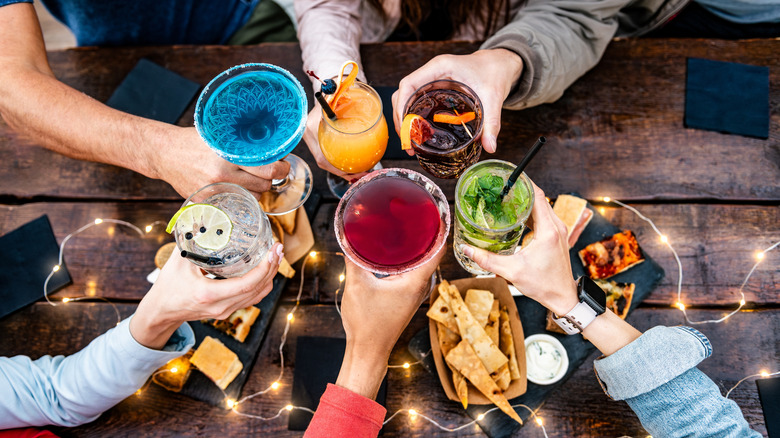
One of Rick Steves' best travel dining hacks is something that you may never find on your own, but it can be a game changer when it comes to saving money on vacation. In many countries in Europe, the early evening ritual of enjoying an aperitif before your main meal can provide an opportunity to fill your stomach without a costly bill.
On ordering a drink, you may think it is overpriced until you find out that it comes with some finger food included. This is especially popular in Italy and Spain, though some other countries have their own versions. The snacks on offer range from a bowl of olives and some nuts to a buffet of sandwiches, cold meat, and cheeses for you to help yourself to. This can turn a slightly overpriced cocktail into a bargain of a light meal, especially if you have eaten well during the day and don't need a sit-down three-course affair.
While sitting down for a proper restaurant meal is an important part of dining on vacation, by following Steves' aperitivo trick on occasion, you get to partake in a fun Mediterranean custom, save money in the process, and leave a little breathing space in your stomach. You may just need to stop at a Gelateria on the way back to the hotel to make sure you don't go to bed hungry!