

The Cheap Material You Should Never Use For Your Kitchen Floors

Cheap sheet vinyl may seem like an irresistible bargain, but the long‑term drawbacks far outweigh the initial cost. First, most low‑quality vinyl sheets are extremely thin, with inadequate wear layers. Once that printed pattern wears through, the floor can look damaged and aged in what seems like moments — and tears or punctures (even from a dropped kitchen knife) become common. Smoothness of the subfloor is critical; even tiny grit bumps cause premature wear or ripping.
Vinyl sheets also contain polyvinyl chloride (PVC) and often phthalates or plasticizers. These compounds are environmental hazards: When landfilled, vinyl can leach phthalates. And when incinerated or exposed to high heat, it can emit dioxins, PCBs, and other toxic chemicals. Many homeowners experience yellowing or discoloration in sunlit areas or near rubber‑based mats, especially with cheap grades of vinyl. And while sheet vinyl is water‑resistant, it's not damage‑proof. In a kitchen setting — where heavy cooking equipment, dropped utensils, frequent spills, and humidity are the norm — cheap vinyl is prone to holes, dents, seam separation, and moisture seepage at the edges or around cabinets. Repair is difficult or impossible as it's tricky to patch vinyl seamlessly, so a damaged section could require replacing the entire installation.
Cheap sheet‑vinyl flooring may appear budget‑friendly, especially for a kitchen makeover on a tight budget, but its fragility, toxic composition, susceptibility to damage, and poor recyclability make it a poor investment. In high‑traffic, spill‑prone kitchen environments, cheap vinyl often deteriorates rapidly, shows wear visibly, and poses health and environmental concerns.
Better kitchen flooring alternatives than vinyl sheets
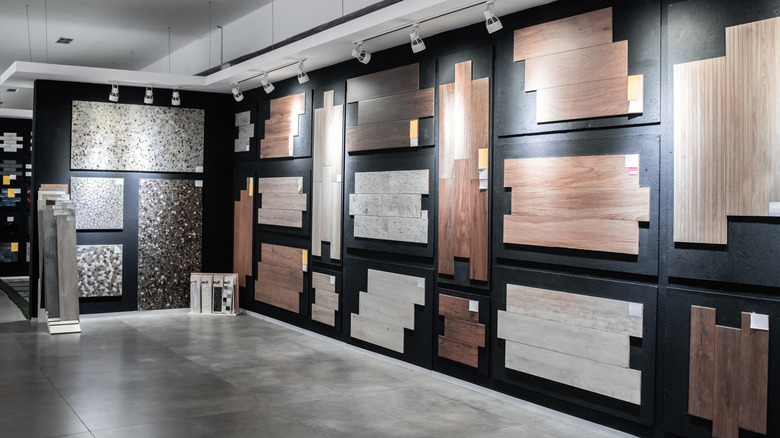
If you want to remodel your kitchen without too high a cost, choose flooring that offers longevity, water‑resistance, ease of maintenance and environmental peace of mind. It's worth remembering that there are superior vinyl alternatives, like luxury vinyl tile (LVT) or plank (LVP), which aren't the same as cheap vinyl sheets — these engineered versions have thick wear surfaces, rigid cores, click‑lock or glue‑down installation, and are highly water‑resistant. They resist dents and stains better and are easy to replace if one plank or tile is damaged. There are many brands that offer realistic wood‑or‑stone looks, comfort underfoot, and compatibility with underfloor heating.
Ceramic or porcelain tile and natural stone are among the most durable options. They're impervious to water and stains, last decades, and offer a wide variety of finishes — from classic porcelain to luxurious slate or granite. Although grout lines require occasional cleaning and proper installation is essential, these materials are essentially bulletproof in a kitchen. Linoleum or cork are great choices if you're looking for eco‑friendly flooring. Linoleum, made from natural linseed oil, cork dust and wood flour, is biodegradable, hypoallergenic, and fire‑resistant. High‑grade linoleum is durable and resilient and has seen a stylish resurgence in kitchens recently.
Cork is harvested sustainably, provides warmth underfoot, resists imprints, and has natural anti‑microbial properties; though less recommended in bathrooms, it works well in kitchens when sealed correctly. Compared to cheap sheet vinyl, these alternatives offer far superior durability, less toxic chemical content (or none), improved repairability, and more stylish aesthetics.