

Move Over Protein — Fiber Is The New Nutritional Trend
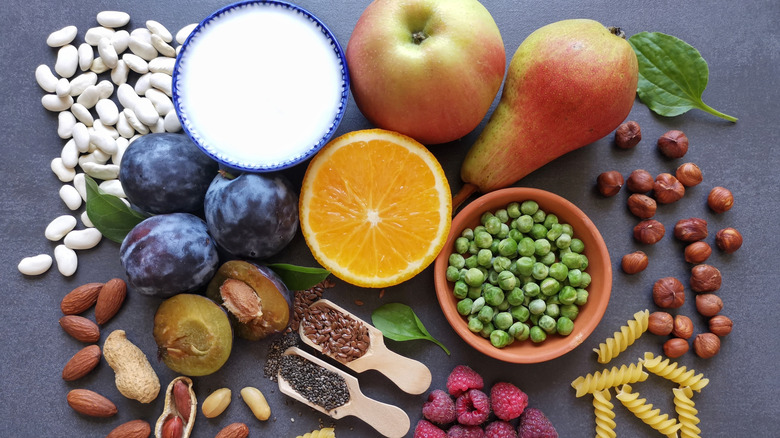
When you say "fiber" in a room full of people over 60, you'll probably get a knowing nod and a shudder. Between memories of bran muffins that taste like cardboard, gritty Wheaties, and those mysterious bulk powders lurking in the back of the cabinet, fiber hasn't always been the life of the party. It's had a reputation as the stuff you grudgingly eat to "keep things moving", but believe it or not, fiber is having a moment.
While protein has been the headline act in nutrition circles for years, fiber is stepping out of the shadows and transforming how we think about food and health. Scientific advances have revealed fiber's role beyond digestive motility; it's now recognized as a key player in blood sugar regulation, gut health, and inflammation control. These insights are inspiring a new wave of food lovers and health experts to prioritize fiber-rich foods as foundational, not optional. Fiber's nuanced benefits remind us that systemic health thrives on complexity, not single nutrients.
The standard American diet tends to lean heavily on refined carbohydrates, often sidelining the balancing act of protein, fiber and fat that some othercuisines embrace naturally. See the Mediterranean plate with its balance of oily fish and wide variety of seasonal vegetables, or Japanese meals with their fish, seaweed, soy proteins and pickled vegetables alongside rice. Or Mexican cuisine, where beans, corn, and avocado provide a trio of protein, fiber, and healthy fats. These traditions haven't obsessed over single nutrients because they don't need to; these meals are balanced by design, not by fad.
Trust your gut-brain axis reaction

Fiber's role in our bodies extends past counting calories, involving complex chemistry and microbiology. There are two main types of fiber: soluble and insoluble. Soluble fiber dissolves and attracts water to form a gel-like substance in the digestive tract, which slows digestion and helps regulate how quickly sugar and cholesterol are absorbed. This process supports steady blood sugar levels by reducing post-meal spikes and lowers blood cholesterol by binding to LDL particles and promoting their removal, which also supports heart function. Soluble fiber also feeds beneficial gut bacteria, fostering a healthy microbiome. You'll find soluble fiber in fruits, vegetables, and legumes. Insoluble fiber doesn't dissolve, it adds bulk to stool and keeps the digestive system moving smoothly. Both fiber types feed the trillions of microbes in our gut, which in turn metabolize bile and influence everything from liver and immune function to mental health, through the gut-brain axis.
But, it's crucial to note, fiber doesn't come alone. When you eat whole foods, that is, when bite into an apple, a spoonful of lentils, or a stalk of broccoli, you're also getting a cocktail of vitamins, minerals, antioxidants, and phytochemicals, things you won't find in a fiber gummy or powdered supplement. These whole foods have evolved to work in concert with our bodies and microbiomes, delivering benefits that no isolated fiber supplement or additive can match. Fiber definitely is a frontline player in controlling blood sugar, reducing inflammation, and supporting heart health, but the modern obsession with isolated nutrients misses the point: Nature packages fiber in food matrices that do far more than the sum of their parts.
Fiber optics: a closer look

Besides fruits and vegetables, whole grains like barley, oats, and quinoa serve as excellent fiber sources that also bring unique textures and flavors to meals. Legumes, from chickpeas to black beans, deliver fiber and a hefty dose of plant-based protein, highlighting fiber's intertwined role in balanced nutrition. Fiber's slow digestion also helps keep hunger at bay. When increasing fiber consumption, do so gradually and stay well hydrated to keep digestion comfortable. Mixing a variety of sources ensures you get the benefit of both soluble and insoluble fibers, supporting your whole body.
Incorporating high fiber foods needn't produce anxiety; just start with small, tasty swaps. Add ground chia seeds to smoothies or yogurt, sprinkle flax seeds into baked goods, or swap out refined grains for fiber-rich quinoa or buckwheat. Legumes make excellent additions to dishes like hummus and falafel, as well as hearty stews and salads. Don't overlook the fiber powerhouses like artichokes, Brussels sprouts, and sweet potatoes, all of which can star in both simple sides and creative main dishes.
To add fiber to baked goods, swap some flour for oat bran or ground nuts to boost fiber without dramatically altering the flavor or texture. Roasted chickpeas and spiced nuts offer crunchy, fiber-rich snacks that satisfy cravings. Fiber-rich foods also connect you to centuries of global culinary traditions, like in hearty Indian lentil dal recipes, Latin American bean stews, and rustic European breads made of heirloom whole-grains. Ultimately, fibermaxxing should be about making fiber-rich eating approachable, delicious, and sustainable.