

The State That Drinks The Most Coffee Isn't What You'd Expect

The average American drinks roughly three cups of coffee per day, and while drip coffee tends to be the most common method of preparation, espresso-based drinks and instant espresso machines of the likes of Nespresso and Keurig have become increasingly popular. In fact, younger generations are increasingly interested in specialty coffees and those from sources outside of popular coffee growing regions.
All of that is to say that the U.S. is no different from countries in that it has its own distinct coffee culture — with cities like Seattle, Portland, San Francisco, Honolulu, and New York City serving as major hubs. But those cities don't necessarily represent the people who drink the most of it. In fact, the state that consumes the most coffee isn't home to any one of them. As un-expected as it is, that state is Michigan.
According to research conducted by Balance Coffee, Michigan leads every state in the U.S. in its coffee consumption — with its residents drinking an average of 2.5 cups per day. Other leading states include Delaware, West Virginia, Ohio, Nebraska, Arkansas, Kansas, South Carolina, Maine, and Louisiana, each following shortly behind Michigan's average, drinking an average of anywhere from 2 to 2.4 cups of coffee each day. Of course, anyone who has spent any significant time in Michigan wouldn't be surprised by this fact. Michigan and its numerous micro-roasters and specialty cafes have been considered major trend setters for the industry at large for more than a decade.
Michigan's coffee culture and its bootstrap beginnings
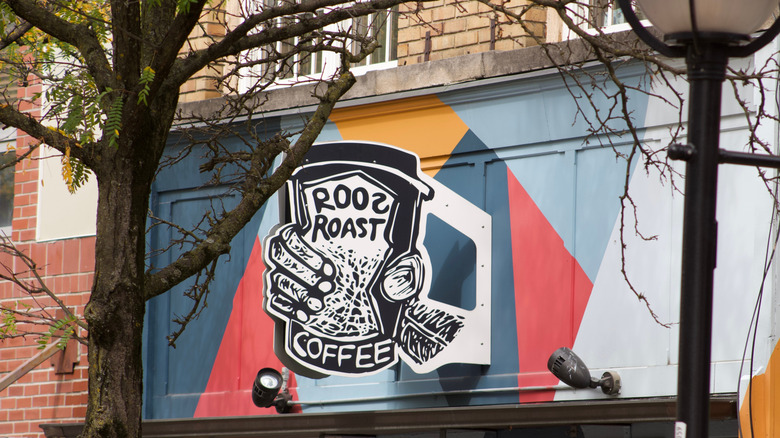
While relatively close to Chicago, Illinois — home to well known independent shops such as Metric Coffee, Dark Matter, and Sawada — Michigan has maintained its own unique style that makes it distinguishable from others. This style is most present along the state's western coast, which borders Lake Michigan. But what characterizes Michigan's coffee scene goes all the way to its humble, bootstrap beginnings, when most coffee houses were supplied by the same roaster, and large coffee chains were nowhere to be found. That's when the first micro-roasters began to appear in cities like Grand Rapids and Kalamazoo, building the foundation for what Michigan coffee is today.
That was in the 1990s, with another wave coming through in the early 2000s, around the same time that Madcap Coffee and Rowsters began roasting in Grand Rapids, Michigan — two shops credited with introducing Michigan coffee to locals, with the former considered the best roaster in the state. Inspired by not just coffee but the culture bred from and around it, the two successfully educated the community on higher-quality coffee and the locally roasted beans served and different brewing methods. It's exactly this success in the west that brought cafes like Bloom Coffee and Higher Grounds to other parts of the state. Those cafes — along with a long list of other micro-roasters and cafes — continue to come together to define the state's pride in working with their hands and not giving in to trends.