

Why Red Lobster Went Bankrupt (No, It Wasn't The Endless Shrimp Campaign)

When Red Lobster filed for bankruptcy in May 2024, it came as a shock, but in retrospect, it was just the first sign that an era of American dining was coming to an end. Founded in 1968 in Florida, Red Lobster was once one of the big success stories of casual dining. It grew to be a nationwide powerhouse in the 1980s and 90s, becoming one of the founding chains of Darden Restaurants, along with the likes of Olive Garden, and bringing somewhat affordable seafood to many parts of the country that had previously lacked access to it. Even as growth stalled in the 2000s, it remained culturally ubiquitous — shouted out by Beyoncé and famous for highly anticipated Endless Shrimp promotion each year. It takes a lot to kill something that successful, and it turns out that way more than cheap shrimp led to Red Lobster's bankruptcy.
The real story is a classic one of corporate mismanagement and cost-cutting, colliding with the structural issues many other casual dining chains have faced since the COVID-19 pandemic. Red Lobster went through multiple ownership changes in the past decade, along with a parade of short-lived CEOs who seemed more focused on slashing expenses and extracting short-term value than on attracting new customers or building long-term profitability. With stagnant sales even before the pandemic, the chain was also already on sharky ground. And so when inflation caused restaurant prices to climb and customers started tightening their spending, Red Lobster was doomed.
Rising seafood costs led to Red Lobster being sold off to a private equity firm

At its peak, Red Lobster boasted over 700 locations but the cracks were starting to show by the 2010s. The company had built its success on the back of the first true nationwide seafood distribution network, which was what allowed it to bring its products to the landlocked middle of the country. For much of its run, Red Lobster was able to source seafood from many small suppliers, giving it significant purchasing power to keep costs down. But starting in the 2000s, large seafood firms began buying up smaller companies and consolidating control over the market, driving up costs for customers like Red Lobster.
Declining profits eventually led Darden Restaurants to sell its major seafood chain to private equity firm Golden Gate Capital for $2.1 billion in 2014. The firm was known for saddling companies with debt while awarding big payouts to itself, and that's exactly what happened at Red Lobster.
In addition to adding debt and paying executive bonuses, Golden Gate also made a major move by selling off of Red Lobster's real estate to outside investors. The chain no longer owned the property its restaurants operated on. While the sale generated a quick cash payout, it added a massive new expense to Red Lobster: Paying rent to lease back its own locations.
Red Lobster's second sale to a seafood conglomerate led to massive cost cutting
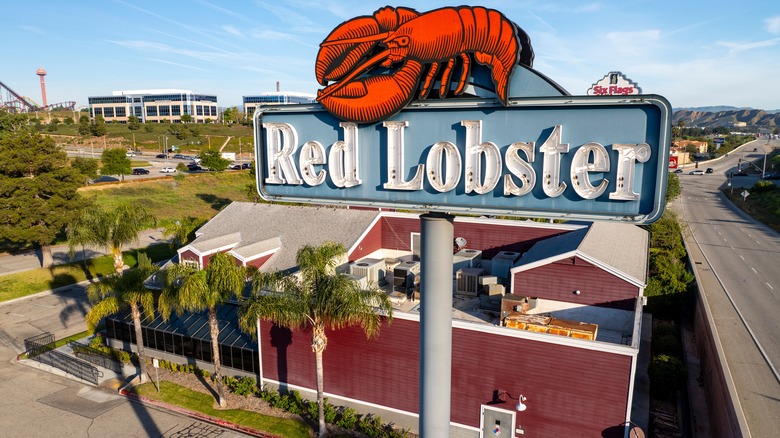
During this period, sales plateaued and Golden Gate's draining of the company's coffers meant Red Lobster couldn't adapt to changing market demands. It ended up selling the chain to Thai Union, a seafood company that was one of Red Lobster's longtime suppliers. This is where the Endless Shrimp saga re-enters the story. Thai Union had limited experience running restaurant operations and a strong incentive to push Red Lobster to buy more shrimp. The company continued aggressive cost-cutting and made itself the sole shrimp supplier, further inflating costs for the chain. While Thai Union has disputed these claims, Red Lobster's restructuring team has said the infamous Ultimate Endless Shrimp debacle stemmed in part of Thai Union pushing the company to buy excess shrimp supply.
With all these ownership challenges and industry headwinds, Red Lobster faced mounting pressures. Inflation drove supply and labor costs higher, and casual dining lost market share to fast-casual competitors. Despite the Endless Shrimp promotion, guest traffic fell 30% between 2019 and 2024. It was all too much for Thai Union, which announced it was selling the chain in early 2024. Red Lobster was thankfully rescued from bankruptcy by a new ownership group, but whether it can climb out of its hole is anyone's guess.