

If You're Seeking The Most Flavorful Salmon, Avoid This Cheap Variety
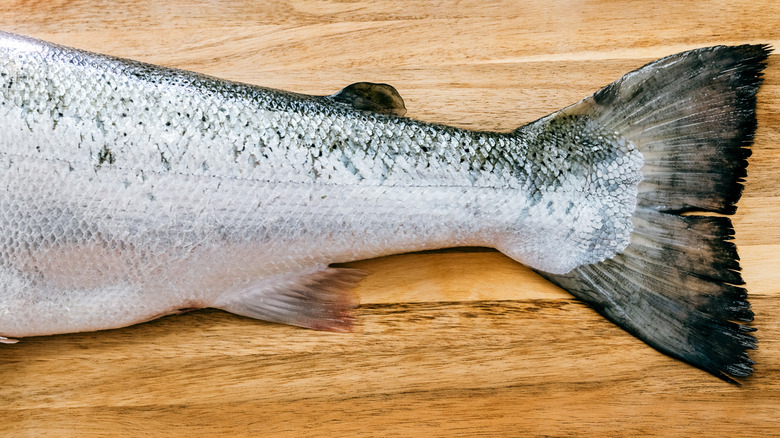
Across North America and beyond, salmon comes in many varieties, each with a unique origin, season, and role in culinary traditions. Pacific salmon alone includes king (chinook), sockeye (red), coho (silver), pink, and keta (chum), with each species prized for different reasons. Serious cooks and "fish heads" pay attention to these distinctions, knowing that place of origin, wild versus farmed status, and even the time of year the fish is caught can shape everything from flavor to sustainability. When you spot a budget cut labeled "keta," "chum," or "silverbrite," you're looking at the leanest and mildest member of the salmon family. This type of salmon is wild-caught, typically from the Pacific, and features lean, pale-pink flesh that distinguishes it from the richer, more vividly colored varieties.
Keta is noticeably lower in fat than king salmon, which means it cooks up fast, easily turning dry or bland. It's less forgiving for classic salmon preparations like grilling, roasting, or pan-searing, where texture and richness matter most, and the higher fat content of the other varieties protects the protein from seizing up too quickly. That's why many shoppers and chefs choose to spend a little more for salmon that delivers on flavor and succulence. But keta is wild-caught and abundant, so you're not dealing with the environmental concerns that can come with overfished species or industrial aquaculture. In most supermarkets, keta appears as the budget-friendly option, sometimes as frozen fillets or in processed forms, like canned salmon. While there's nothing unsafe or inherently "bad" about keta, it's generally considered the less desirable choice for dishes that celebrate and highlight the natural taste and texture of higher-end salmon varieties.
The case for smaller, more sustainable fish like keta
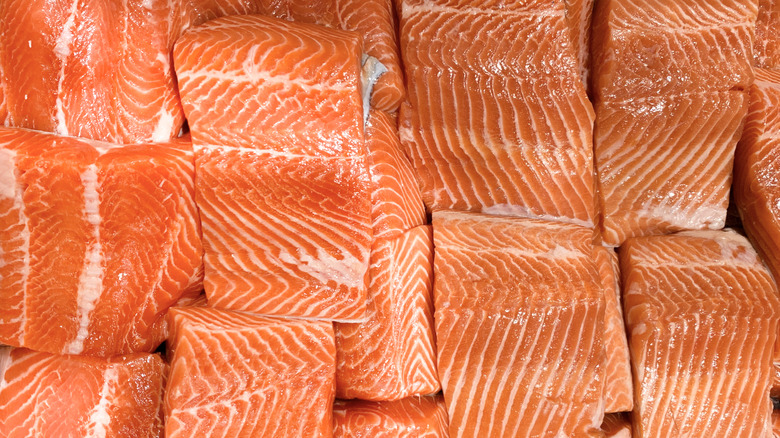
Keta has long been abundant in Alaska and the Pacific Northwest. Some tribes, such as the Chehalis, tell stories of the chum as a chief among salmon, honored with the name Klahwhi, or "dog fish." The "dog" label also reflects the tradition of using chum as food for sled dogs. The name "keta," meanwhile, comes from a Russian dialect word for this species. While keta salmon isn't the first pick for a fancy dinner, it's far from useless in the kitchen, and has always found a place in human diets, especially when a more neutral-flavored fish is needed. Keta is also a popular and sustainable choice for making salmon jerky; its dryness actually becomes a strength when the goal is a chewy, savory snack.
Nutritionally, keta salmon delivers high-quality protein and plenty of omega-3 fatty acids. Because keta salmon have a shorter life cycle, reproduce more quickly, and are lower on the food chain than larger species, they often contain fewer environmental contaminants, such as mercury, which is a noteworthy advantage for anyone who eats fish regularly. Ecologically, choosing to eat fish that are lower on the food chain, like keta, anchovies, or sardines, not only diversifies your diet but also contributes to ocean health. When everyone always reaches for the "premium" fish, it puts intense pressure on slow-growing populations that are already vulnerable to overfishing. Opting for more abundant species that are lower on the food chain can help balance demand across the ecosystem, ensuring that future generations can enjoy the full spectrum of seafood.
How to get the best from every salmon
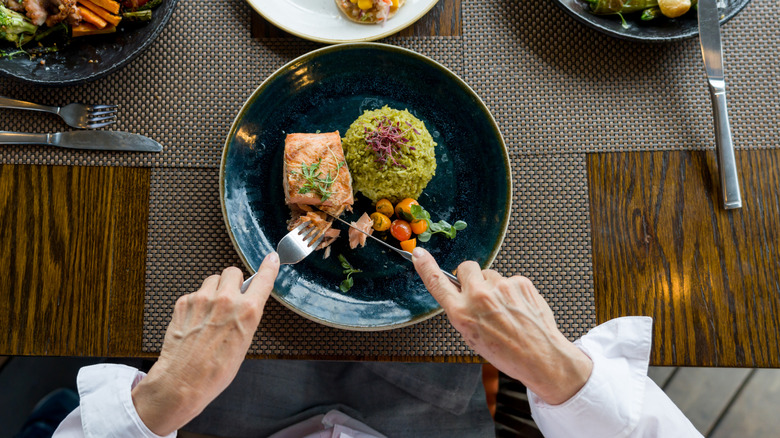
The best salmon meals start with knowing what you're working with. A fresh king or chinook salmon fillet is one of the most luxurious proteins you can buy. Simple methods, such as light seasoning, gentle pan-searing, or roasting with a touch of butter and a handful of fresh garden herbs, allow the natural oils and rich flavor to shine through. Sockeye and coho, though leaner than king, still offer vibrant color and satisfying texture, especially when just barely touched with heat.
Keta, milder and much leaner, requires a different approach to bring out its best qualities. If you're preparing keta, skip the high heat and try poaching the fish, slow roasting, or sous vide to protect its delicate structure. Marinating can also help introduce more moisture and flavor before cooking. Smoked or canned keta work beautifully in spreads, crispy pan-fried croquettes, and chowders. It's perfect for tasty salmon cakes, chopped and blended with herbs, citrus, or briny ingredients like capers. In the right hands, keta takes on a new personality, light and flexible, suited for dishes where salmon is a component rather than the star.
Just as ground beef isn't filet mignon, but still forms the backbone of beloved classics like burgers and bolognese, keta salmon isn't the top of the food chain or the pricey showstopper of the seafood case, yet it brings value and flavor to the right recipe. Approaching each type of salmon on its own terms is the real key to a nutritious and satisfying meal, and keta offers a sustainable, healthy, and affordable way to enjoy wild salmon. Navigating the culinary waters of seafood preparation is all about knowing which salmon is meant for the spotlight, and which one's the unsung hero in the current.