

If You're Going To Poach Shrimp, Make Sure You Use This Type

We may receive a commission on purchases made from links.
Poaching is a gentle cooking method that benefits delicate ingredients like eggs and seafood. Poaching shrimp will cook them gently and evenly for the juiciest, most tender results while also infusing them with any seasonings you add to the poaching liquid. However, if you're going to poach shrimp, make sure you use jumbo shrimp.
As the name implies, jumbo shrimp are large and meaty with a robust flavor and firm texture. Their size makes them easier to devein and handle while also providing more absorption power so they can soak up flavorful poaching liquid. Smaller shrimp are especially finicky, but jumbo shrimp need a longer cooking time, so they're easier to monitor and they have plenty of time to plump up for a texture that's as juicy and satisfying as their flavor. Look for jumbo shrimp with the tails on for easy handling and a visually stunning presentation.
Of course, the size of your shrimp isn't the only key to success for poached shrimp. You still need to ensure that it's a gentle cooking method by maintaining a low boil and transferring the shrimp to an ice bath to stop them from cooking further. You should also spend time developing your poaching liquid by boiling and simmering the broth or water with aromatics, seasoning blends like Old Bay or Tony Chachere's Creole seasoning, and even a dash of white wine. Repurpose the poaching liquid into a foundation for soups, stews, or sauces.
Ideal uses for different-sized shrimp
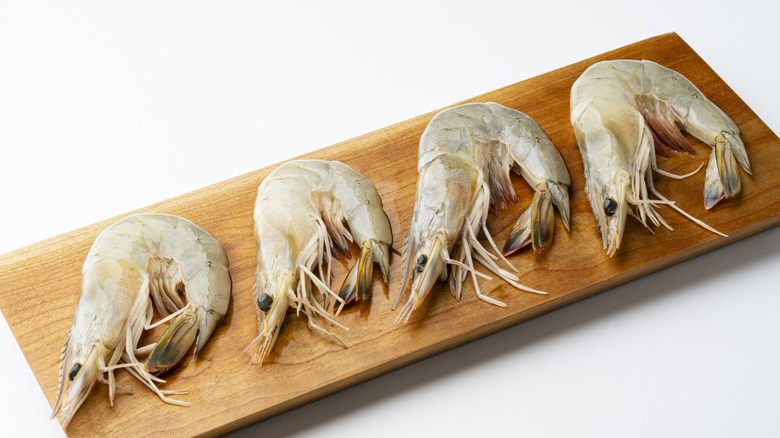
Poached jumbo shrimp infused with flavor from a complex poaching liquid are stand-alone proteins that will make a delicious main course or appetizer. They're certainly an upgrade from a simple cold-boiled method. Jumbo shrimp are thus best used in recipes that place them front and center. You can serve them cold with a cocktail or remoulade sauce, or warm over a bed of polenta. Jumbo shrimp are also well-suited to rougher cooking methods like grilling and deep frying. You can slather a sweet and spicy glaze over them like we do in this grilled shrimp recipe. Their large size also means a greater surface area for a breaded coating we use in this recipe for panko fried shrimp.
Small and medium-sized shrimp also have their place in your kitchen. They cook faster and bring an umami-richness that won't overwhelm other ingredients you want to pair them with. Consequently, they're a great addition to a stir fry, shrimp fried rice, or pasta dish like this shrimp scampi.
Whether you're using large or small shrimp, ensuring they're fresh and high-quality is one of the most important guarantees of a successful taste and texture, no matter which cooking method you use. Fresh shrimp should have a mild, sweet smell, a tightly wound tail, and a firm, never-slimy feel. Frozen shrimp will save you a lot of prep time, and the same visual and tactile signs of freshness apply once you thaw them.