

Ibérico: The Prized Spanish Pork That Rivals Wagyu
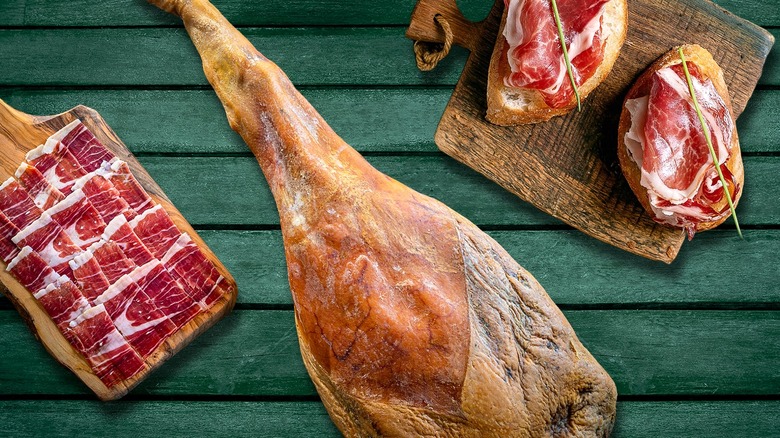
If you've ever had the pleasure of sampling a piece of Ibérico pork, you will understand why it is considered one of the best meats in the world — and why it has a price tag to match. Often called the "Wagyu of pork," Ibérico pork has incredible marbling and a buttery texture, making it just as enjoyable as the best steaks you can buy.
The high-quality of Ibérico pork is partly due to genetics, partly environment, and partly diet, and all three come together to create meat that has a distinctive flavor and signature texture. Even within the prestigious Ibérico name, there are different grades, from 100% purebred acorn-fed black label, to White Label, which can be as low as 50% Iberian pig, and has a diet that features fewer acorns. If you are going to spend your hard-earned money sampling this delicacy, it is important to know what you are buying and what to expect. So let's take a look at everything you need to know about Ibérico: the prized Spanish pork that rivals Wagyu.
What is Ibérico pork?
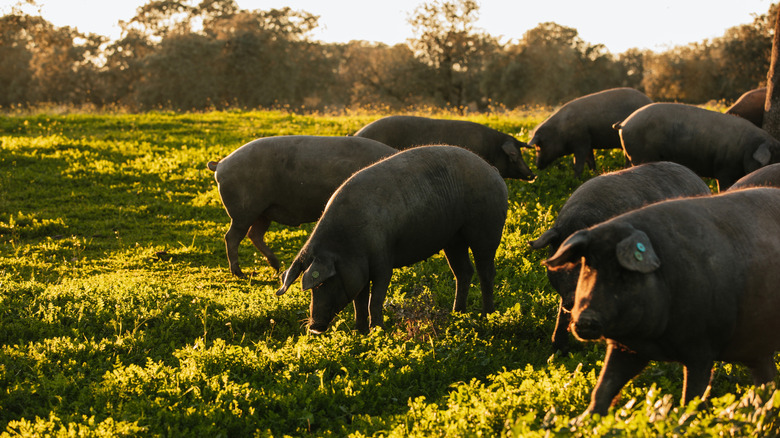
Ibérico pork is a prized meat that hails from the Iberian Peninsula, which is the most southwesterly corner of mainland Europe, and encompasses Portugal and Spain, as well as Andorra, Gibraltar, and a tiny section of France. Ibérico pork comes from a particular breed of pig from the area — the black Iberian pig.
These special pigs are fed a very natural diet, which includes acorns from the forests around where they are raised, and this diet contributes to the high-quality meat that is produced. In some cases, the pigs are fed on acorns alone, resulting in the best quality Ibérico pork. Between the unique diet and the genetics of this particular breed of pig, the meat that results is full of beautiful fat marbling, as these pigs store fat between their muscles. The rarity of the Iberian pig, coupled with the extraordinary flavor and melt-in-your-mouth texture, has led to Ibérico pork being a highly sought-after meat across the globe.
Ibérico pork vs. Wagyu beef
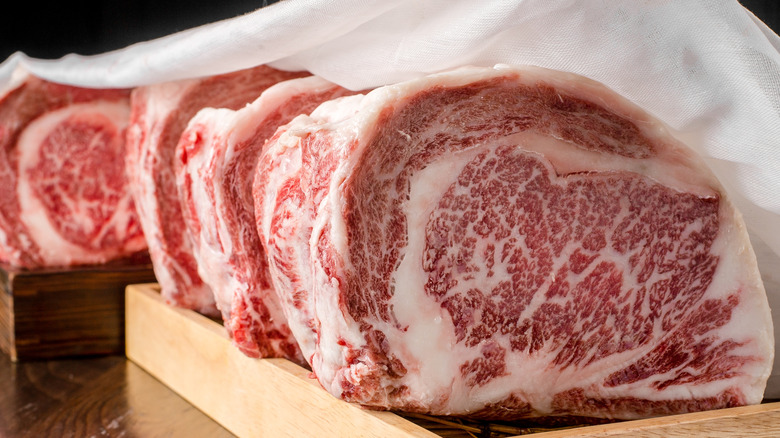
When you hear "exceptional quality, expensive prized meat," there is likely another cut that jumps to mind immediately — Wagyu beef. Much more famous in this country than its porcine counterpart, it is a similar product in that the diet and environment of the animals are known to contribute to the top-quality, luxury meat that lands on the shelves.
One of the most significant similarities between the two meats is the quality of marbling throughout. Genetics in both breeds has a huge influence on this, as they both have the ability to store fat in the muscles, resulting in the buttery texture and creamy flavor — with a hint of nuttiness in the case of the Ibérico pork.
The feeding regimen of both the cattle and pigs is a crucial element, too, and you won't find any cheap grain around these prized animals at feeding time. Natural grasses are a staple for both animals, in addition to the famous acorns for the pigs, and the hormones and medicines that are often pumped into conventionally farmed animals are nowhere to be seen. Ibérico pork actually looks more like a steak than a regular pork chop, and is cooked like a quality steak too, with medium-rare being the doneness of choice for most chefs. While Wagyu beef may have the fame here, there is no doubt that Ibérico pork is more than capable of matching it in terms of exquisite flavor and outstanding texture.
What does Ibérico pork taste like?
As you would expect from arguably the best pork in the world, the taste of Ibérico is something to marvel at. It tastes nothing like any other pork you've ever eaten, and the texture is as buttery as a meat could ever hope to get. The overall flavor of the pork is sweet and nutty — thanks to the acorns — but different cuts have their own distinctive notes.
One of the most desirable cuts of Ibérico pork is known as "secreto," meaning secret, and is considered one of the best portions of meat from the pig. This special cut is located near the shoulder and has fantastic marbling, which is likely why butchers like to keep this cut for themselves. When cooked simply and perfectly, searing in a hot pan until medium rare, the flavor of the secreto is unrivalled, and the way it melts in your mouth will ensure you keep this revelation a secret too.
Other cuts of the pig, such as the cheeks, have a much richer, deeper flavor than the more delicate cuts, but no matter what part of the animal you are tucking into, you can guarantee that the umami notes with the faint hint of acorns will keep your taste buds tingling long after the meal is over.
How to cook Ibérico pork
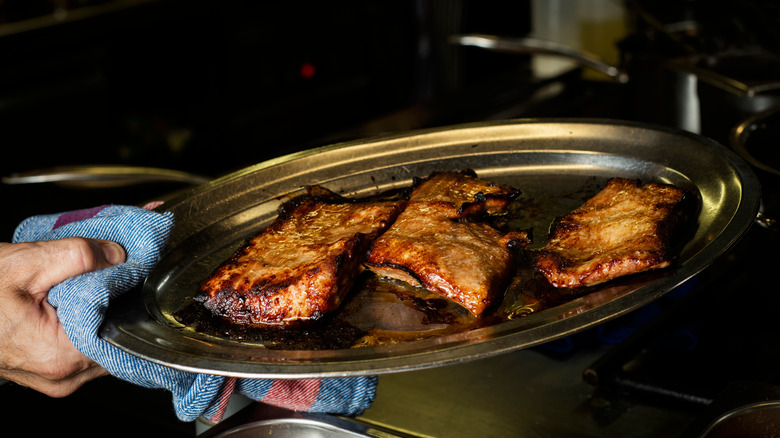
If you're going to splurge on one of the most luxurious meats in the world, you'd better make sure you know how to cook it properly. Overcooked Ibérico pork would be a tragedy, but if you are a dab hand at cooking a steak, it shouldn't be too difficult.
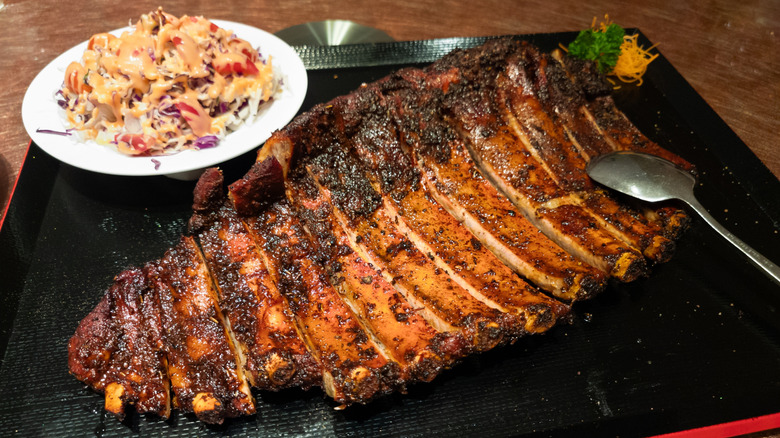
The first thing to understand is that the flavor of the pork must be allowed to shine. Keep the sauces and accompaniments light and simple, so as not to overwhelm the taste of the pork. Depending on the cut of meat, you will either want to fry the pork in a very hot pan for a few minutes on each side, or roast a larger cut in the oven until it has a beautiful golden crust on the outside, and is still wonderfully tender inside. In both cases, the meat should be served medium-rare to be enjoyed at its best. If you get a hold of some cheeks or a rack of ribs, these cuts can be cooked slowly to allow the meat to fall apart, releasing all the amazing flavor as they cook. However you cook it, allow the meat to rest fully before cutting in, to avoid the prized flavor spilling out onto your plate, when it should be dancing on your palate instead.
Where can you buy Ibérico pork?
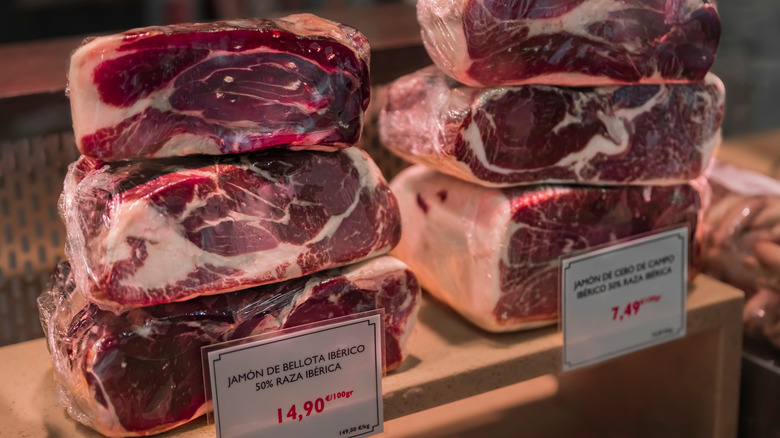
It's unlikely that you will find a prize cut of Ibérico pork at your local supermarket alongside the quarter-pounders, but if you are trying to get hold of some to cook at home, it should be relatively easy to do so. You could start by inquiring at local butchers to see if they regularly have it imported, or could order it for you. The most reliable way to source some, however, is to order it online.
Glendower Farms in Florida was the first to breed Iberian pigs in the U.S. in centuries, and supply high-quality pork to customers in Florida, Alabama, and parts of Georgia, so if you live in these states, this is an option worth considering. For those in the rest of the country, Meat 'n Bone imports their Ibérico from Spain, and delivers it across the country, with next-day delivery often available. With a little research, you should be able to have top-quality Ibérico pork in your fridge within a few days, with just a couple of clicks.
Nutritional information about Ibérico pork
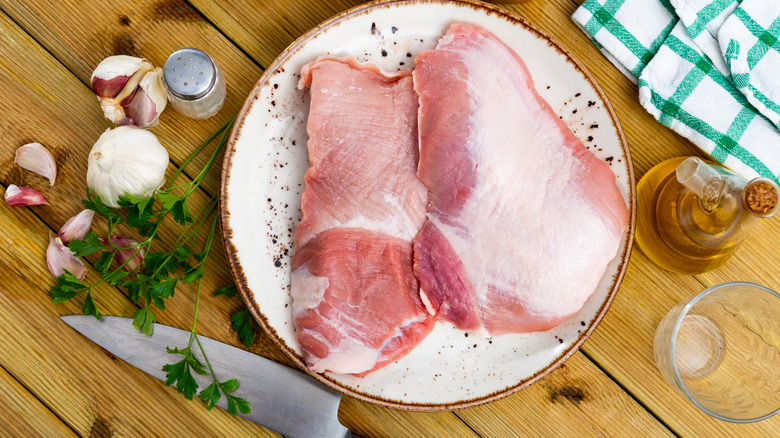
As if the unbelievable taste and mouthwatering texture weren't enough, Ibérico pork has a few nutritional advantages over regular pork, too. Pork as a meat is considered pretty healthy to begin with, as a source of high-quality protein, rich in vitamins such as B6 and B12, and minerals like zinc and phosphorus.
The way that Iberian pigs are raised, however, gives them a nutritional edge over regular pork. While you may consider pork to be a fatty meat, with Iberian pigs, the fat is not the same as in conventionally farmed breeds. Much of the fat in Ibérico pork is from oleic acid, which is the same fat found in olive oil. This monounsaturated fatty acid is actually good for your heart and can help to reduce cholesterol levels, making Ibérico pork a healthier option than you may have assumed. Alongside the antioxidants and vitamins that the meat also provides, Ibérico pork is well worth the upgrade for both your health and your taste buds.
Varieties of Ibérico pork
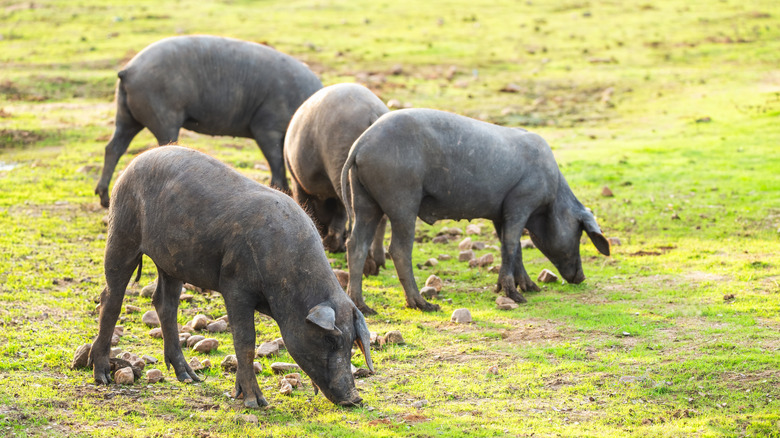
Even within the top-quality category of Ibérico pork, there are different varieties of pig that have distinctive characteristics, and some of them are more prized than others. Iberian pigs can be split into groups depending on their breeding or their diet.
The first distinction is whether the pigs are purebred or not: 100% Iberian pigs are considered to have the best meat, and are used in luxury products such as pata negra ham. Pigs that are 50% Iberian are allowed to be sold as Ibérico pork, though in some cases 75% is required.
Bellota is the cream of the pork crop when it comes to diet, and these pigs are fed almost exclusively on acorns during the fall and winter months, and get plenty of exercise as they roam the forests. This results in the exquisite nutty flavor and perfectly marbled fat that is indicative of the highest quality of pork. Cebo de campo pigs, on the other hand, still have access to acorns, but may be given other food in addition, which reduces the quality of the meat slightly. The lowest grade is simply called cebo, and these pigs do not have access to acorns or much exercise. The type of pork you are buying should be clearly labeled, allowing you to decide whether you want to opt for the ultimate, 100% bellota Ibérico pork, or save a little money on the lower grade — but still utterly delicious — cross-breeds.
How to store Iberico pork

If you have treated yourself to an order of Ibérico pork, you want to make sure you store it correctly to preserve the quality for as long as possible. As a meat product, this will also reduce the risk of food-borne illness.
Fresh Ibérico pork should be stored in a similar way to other pork products. Keep it in the fridge, away from any cooked meat or non-meat products to prevent cross-contamination. If the packaging has been opened, it doesn't have a use-by date, or you have defrosted it, keep it in the fridge for up to two days. Alternatively, it can be frozen and will keep its quality for many months.
For Ibérico ham, it only needs to be refrigerated once it has been opened — vacuum-sealed ham should be kept in a cool, dry place. Once opened or sliced, store in the refrigerator for no more than a few weeks.
Variety of cuts/styles of Ibérico pork products made/imported from Spain
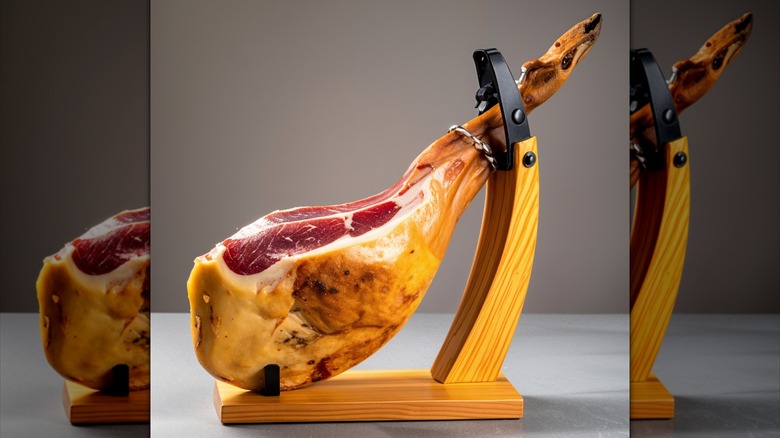
In addition to fresh Ibérico pork, there are numerous products made from the same meat that are very popular in Spain and around the world. One of these is the famous Ibérico ham or jamón, which is made from the hind leg and air-cured. It is prepared in a controlled environment, preserved in salt for one day for each kilo of meat, and then left to dry for up to two years. Pata negra, which literally means "black hoof" in reference to the color of the pig, is considered one of the best cured meats in the world, and is made from 100% bellota Ibérico pork.
Other Ibérico pork products include lomo Ibérico, which is a delicate cured meat made from the loin of the pig, and chorizo Ibérico, a spicy sausage made from a mixture of fat and meat, then seasoned with paprika. If you want to try some prized Ibérico pork without buying fresh meat, there are plenty of delicious cured options for you to try instead.
The protected origins of Ibérico vs. Wagyu
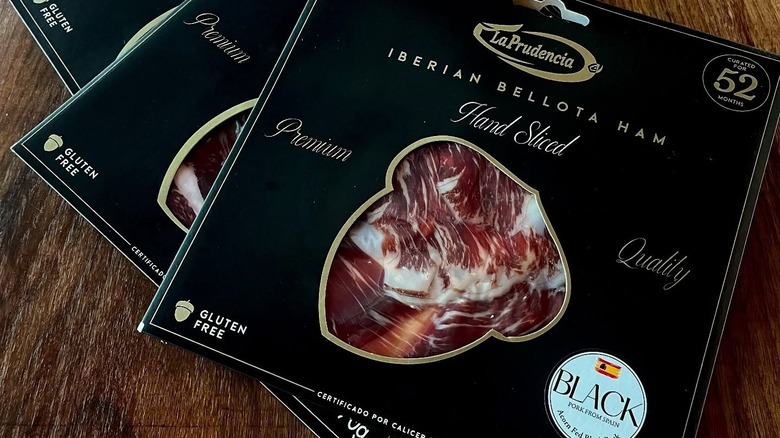
In the European Union, they take their protected produce very seriously. Whether it is Champagne, Roquefort, or prosciutto di Parma, they like to keep high-quality produce strictly controlled to ensure consistently high quality. Protected Designation of Origin status is given to products that are specific to one particular region, and only versions that are made there can achieve the prestigious certification of PDO.
With Ibérico pork, there are four varieties from different regions in Spain that have PDO status: Jabugo, Dehesa de Extremadura, Guijuelo, and Los Pedroches. To qualify for PDO status, the pigs in these regions need to be a minimum of 50% Iberian breed, with many being 100% purebred. Their diets need to consist at least in part of acorns, and to receive the prestigious black label certifications, they need to be fed almost exclusively on them. While imported Iberian pigs can produce genuine Ibérico pork outside of the U.S., it will not have PDO certification.
Wagyu beef, on the other hand, is a much looser term, and refers to four main breeds of cow that originate in Japan, all of which are descended from the tajima cattle. While Japan has a strict monitoring system for its own Wagyu beef, the cows are allowed to be reared throughout the world and the meat is sold as Wagyu, with the standards being set by the country where they are bred. As a result, while both meats are going to be high quality, if you see PDO certificate Ibérico pork (particularly black label), then you know it has been raised under the highest standards and deserves the title of one of the best meats in the world.