

8 Vegetables To Consider For A High-Protein Diet
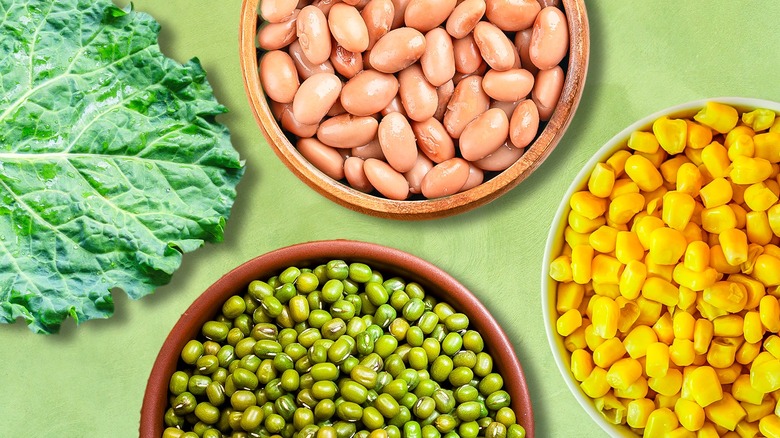
When adding protein to their diet, many people automatically think of beef, chicken, fish, or meat substitutes such as tofu. There is another way to get protein into your diet, though, and they just happen to come hand-in-hand with plenty of antioxidants and vitamins — vegetables, and yes, that includes pulses like beans and lentils.
The recommended protein intake for an adult is 0.36 grams per pound of body weight. This translates to roughly 72 grams of protein per day for an adult American male over 20, and approximately 61 grams per day for an average female in the same age range. Spread out across the day, this is an easy target to hit if you are adding protein-rich veggies and legumes to your meals and snacks — and in order to do so, you want to make them as tasty as possible.
We all know that soy beans, chickpeas (or garbanzo beans if you prefer), and cannellini beans are great sources of protein, but there are a whole lot of other veggies out there, so what about the rest? From the underrated mung bean to the creamy avocado, many veggies pack more protein than you may have thought. Let's take a look at eight vegetables with way more protein than you may realize.
Mung beans
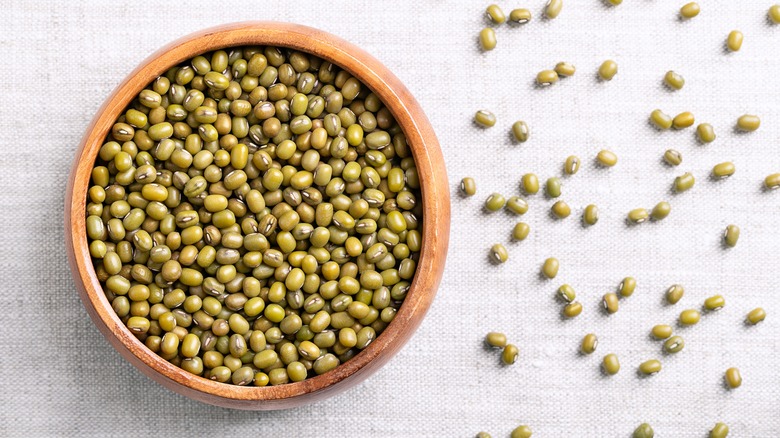
When you think of adding a plant-based protein source to your dishes, beans are probably one of the foods that spring to mind. Mung beans, however, may be a less obvious option than your usual legumes, but you definitely shouldn't overlook them. With a significant protein content of 14.2 grams per cup, they will give your dinner the boost it needs and make a nice change to the usual baked beans. Add this to the fact that they are packed with vitamins and minerals and boast half of your daily fiber intake, and you should definitely be adding them to your shopping list.
Mung beans have a mild, slightly sweet flavor that adds a burst of freshness to whichever dish you choose. Mung beans don't need to be soaked overnight like many raw beans do, though you can soak them for a short period before cooking if you wish, as this can help reduce the compounds that cause the famous bean flatulence. Otherwise, simply boil them for 30 minutes to get them to the stage of perfectly tender, but still with enough of a bite.
Your cooked mung beans can be added to a fresh salad to boost the protein content, or pair them with Indian spices such as cumin and turmeric in a fragrant curry. However you choose to eat them, mung beans are a delightful source of protein that deserves to make their way into your cooking.
Sweetcorn
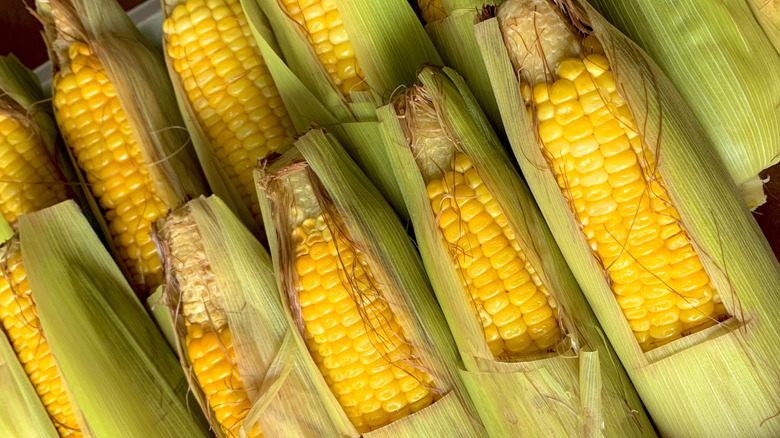
Sweetcorn is famously high in fiber, passing through the digestive tract without being broken down much, and is usually found as a popular side dish, especially in summer at barbecues. However, many don't realize that it is also a good source of protein, meaning it may be time to promote this golden vegetable to more of a starring role.
With 4.7 grams of protein per cup, adding sweetcorn to your dishes regularly can help you to reach your protein intake goals, while enjoying its sweet, earthy flavor. Whether you like it straight from the kernel as grilled corn on the cob, or boiled and scattered across a delicious salad, there are plenty of fantastic ways to enjoy this humble vegetable.
A brilliant way to enjoy sweetcorn and boost the protein even further is to use it in a fresh, classic succotash. Combining the sweet-flavored corn with lima beans and bright veggies such as tomatoes and peppers creates a colorful dish that is packed with plenty of antioxidants in addition to the protein. The veggies don't need much cooking, keeping the flavors bright, and you can have a beautiful, healthy side dish created in less than 10 minutes.
Pinto beans
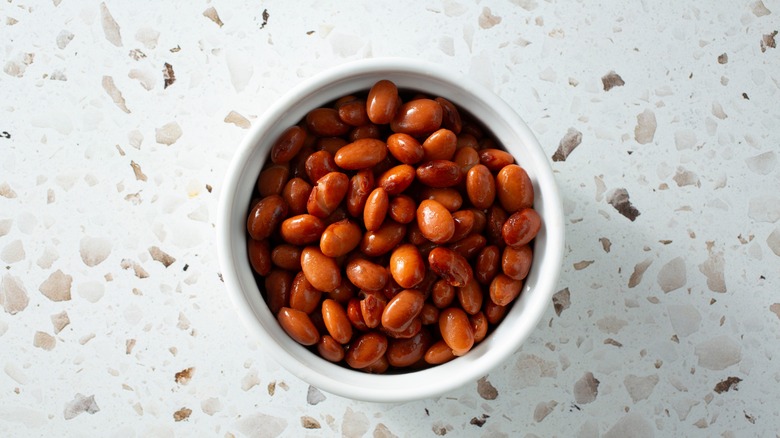
Pinto beans are a classic ingredient in Mexican cooking, and the good news if you enjoy a burrito or refried beans is that they are packed with plant-based protein. With 15 grams of high-quality protein per cup, you can be around 25% of the way to your daily intake with one tasty portion.
Cooking pinto beans from scratch requires a bit of advanced preparation, but it is not difficult. Soaking the beans overnight is not compulsory, but it can be beneficial if you have time. Beans contain oligosaccharides, which are responsible for the famous gas issues after a bean fest. Soaking for many hours can remove as much as 90% of these compounds, as long as you discard the water afterward. After rinsing them thoroughly, you can then simply boil them in a large pot for at least 45 minutes, until they become tender.
Once you cook the pinto beans, or buy a can of them if you prefer, you can get creative and use them in your favorite Mexican dishes or fresh salads. They are excellent in a crunchy pinto bean tostada, paired with avocado, fresh tomatoes, and cilantro, or for a more filling option, a rich chili con carne. However you add them to your meal rotation, the earthy flavor of pinto beans is a great way to get your protein in a delicious form.
Avocado
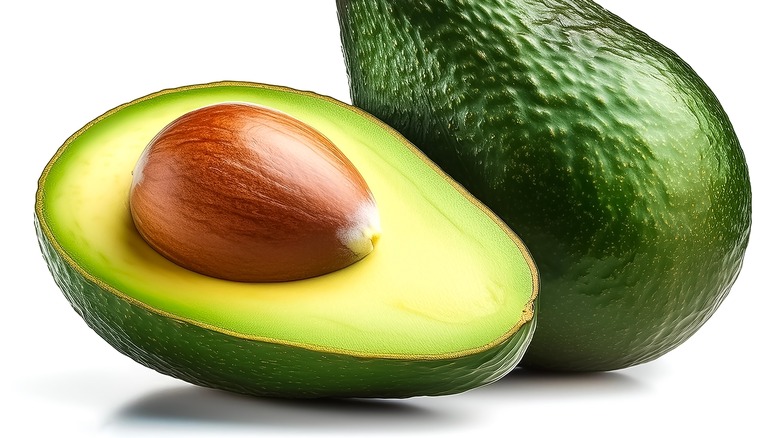
Super-trendy avocado is known for many things — its heart-healthy fats, its creamy and luxurious texture, and its brilliance at pairing with poached eggs and toast — but its protein content has largely gone unnoticed. Although avocado is technically a fruit, it's often considered a vegetable, much like cucumbers and tomatoes. While not in the same league as legumes such as chickpeas and soy beans, with 4 grams of protein in one avocado pear, it means your fantastic avocado lunch is contributing to healthy hair and skin even more than you previously thought.
As has been proved on Instagram in the last decade or so, avocados can be enjoyed in a variety of different ways. From smashed on toast to topping a healthy Buddha bowl, their silky texture and buttery flavor can be paired with virtually anything. For the ideal dip that can accompany any meat or fish dish, or simply be eaten straight from the fridge on its own, try making a homemade guacamole. By pairing with juicy tomatoes, sliced chilis, and a squeeze of bright lime juice, you can bring the best out of the creamy avocado and create a perfectly balanced dish. While they may not be the biggest protein hitter on this list, the combination of protein and good fats makes avocado an essential ingredient to have in your fridge — or realistically in a brown paper bag until it decides to ripen.
Collard greens

Leafy greens are well known for their incredible antioxidant content, being rich in vitamins such as C and K, and minerals like folate and calcium. One quality that is often overlooked, however, is the protein that they contain, and collard greens are a particularly good source. A 1-cup serving of cooked collard greens can provide 5.1 grams of protein, meaning that including a large serving as part of your meals can have a big impact on your health.
Collard greens are more bitter than something like spinach when eaten raw, but cooking them will release a sweeter flavor that works well with lots of savory dishes. Similar to cabbage, they can be steamed or flash-fried with a squeeze of lemon and some chili flakes to give them a punch of flavor. They can also be turned into a more indulgent side dish by making creamed collard greens with bacon. The silky cream and salty bacon will balance out the bitterness of the greens and result in a comforting veggie dish that is incredibly satisfying. Next time you are looking for a side dish with a protein boost, reach for the collard greens and benefit from the wide range of macro and micro nutrients they provide.
Green peas

When it comes to legumes, beans often get all the attention in the protein stakes, but green peas are a worthy contender for consideration, offering 8.6 grams of protein per cup. With such a different flavor to beans, peas can be used in totally different dishes, meaning you can have a wider range of weekly meals that give a protein punch.
Peas have a sweet flavor with a delightful crunch if they are cooked properly, and are often a big hit with kids, meaning you can get them snacking on high-protein, nutrient-packed foods without even realizing. They can, of course, be boiled and served alongside an entree, but they have so much more potential and lend themselves well to many dishes. Add peas to a fresh salad with delicate leaves, radish, and a citrus dressing, or make a spring veg risotto alongside asparagus, making sure to add fresh mint as it was made to pair with peas. Don't relegate peas to a boring side dish; add them to your main dishes from now on and enjoy that extra dose of protein they provide.
Borlotti beans

Borlotti beans are a lesser-known bean that can be a great way to incorporate variety to your dishes while adding to your protein intake at the same time. Also known as the cranberry beans thanks to the pink flecks on their skin, they contain a whopping 17 grams of protein per cup, making them a better source of protein than their much more famous counterparts, garbanzo beans.
The flavor of borlotti beans is creamy and slightly nutty, and they can be used in many different ways. From utilizing them in a vegan stew to blending them into a delicious, silky bean dip or pate, they happily absorb fragrant flavors, meaning you can use them across various cuisines.
They are often used in Italian cooking, and the rustic dish pasta e fagioli frequently features them as the star ingredient. Whether you use them in a fresh salad or a rustic soup, borlotti beans are a versatile legume that can seriously up your protein intake, and your taste buds will appreciate the variety too.
Lentils
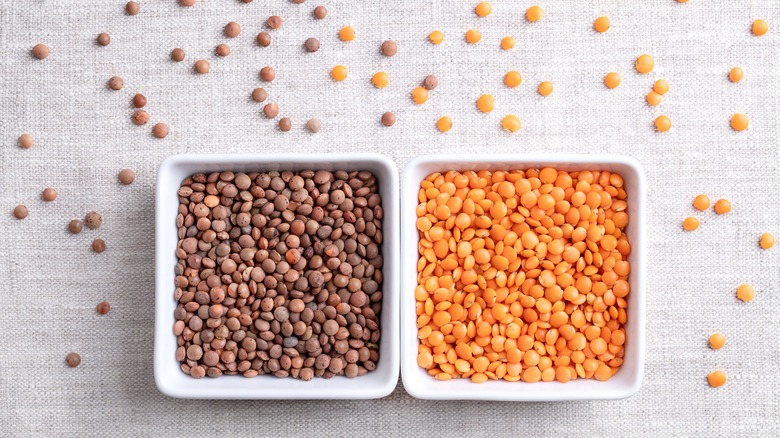
If you need a strong source of plant protein but are fed up with beans on everything, try switching to using lentils instead. One cup of lentils contains a huge 18 grams of protein, making it the highest protein source on our list, despite not being a bean. There are various types of lentils, and they can be used in different ways, meaning there is a lentil dish to suit everyone.
The resistant starch in lentils makes them an excellent option for those with diabetes or glucose resistance. The fiber slows down the absorption of blood sugar, and can dramatically reduce glucose levels, helping to keep you full for longer and prevent cravings.
If you're looking to make a hearty lentil soup, red lentils should be the variety you choose. They cook fairly quickly and reduce down to a satisfying soft texture that makes lentil soup so comforting. Spices such as cumin and coriander will complement them perfectly and add to the warmth, making the soup ideal for a cold winter night. Green lentils are a good option for salads, as they keep their texture better and have a more distinct flavor of their own. They do take longer to cook, at least 45 minutes, so make sure you prepare in advance to prevent them from being undercooked.