

Avoid This Common Flour Mistake If You Don't Want A Plumbing Disaster
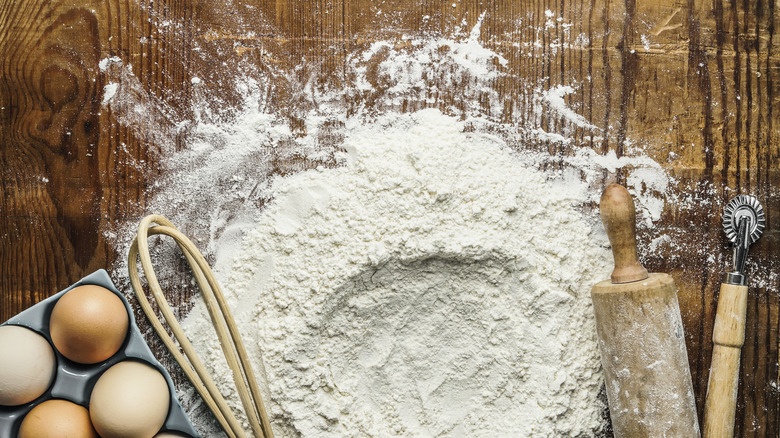
Flour seems harmless enough, right? You bake a cake, coat some chicken, maybe dust your counter while rolling dough — then clean up, rinse everything off, and move on. But here's the problem: rinsing flour down the sink can slowly but surely cause serious damage to your plumbing over time.
It doesn't break down easily, just like many other food scraps you shouldn't be sending down the drain. Once it hits water, flour turns into a thick, sticky paste — the same stuff you'd make if you were whipping up homemade glue. Now picture that coating the inside of your pipes. Over time, it hardens and starts catching everything else you toss down there, even things that normally wouldn't cause a problem on their own. It adds up, and one day your drain just stops draining.
It's not just a one-time issue. Even small amounts of flour, rinsed repeatedly, can stick and build up layer by layer. In older plumbing systems, or pipes with tight bends and less flow, the doughy gunk sets up shop faster than you'd think. Eventually, it traps enough food scraps to form a full-on blockage. And running hot water doesn't help much. It might seem like you're washing it all away, but all you're doing is sending glue down your pipes. Your garbage disposal isn't much better. It grinds scraps, but flour turns gummy and sticks to everything anyway.
How to properly dispose of flour or repurpose it
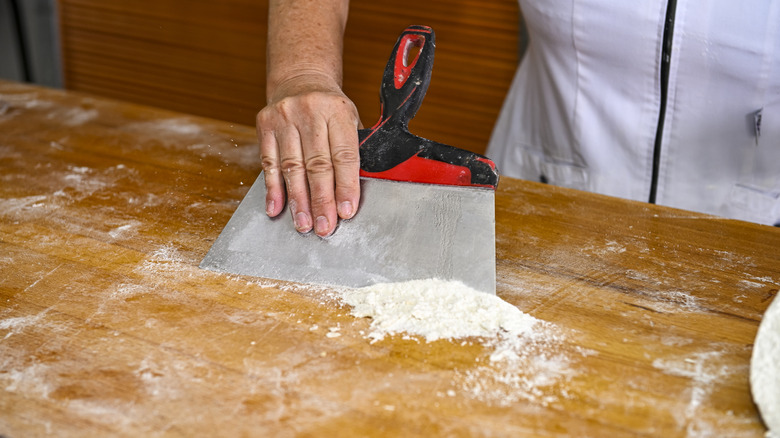
Toss it. That's the short version. Leftover flour, dredge mix, batter — scrape it into the trash. If you have a lot, use a paper towel or spatula to get most of it up before rinsing anything. Wipe down your bowls, measuring cups, and counters before they even touch the sink. That extra 30 seconds saves you from future plumbing bills. If you're dealing with big batches — maybe from breading chicken or baking — scoop the excess into a compostable bag or container. Don't just rinse and hope for the best.
Composting works too, but only if the flour is dry and not greasy or mixed with animal products. A little bit at a time keeps your compost balanced — too much, and it gums up the mix. Most flour is a carbon-rich ingredient, so make sure to offset it with nitrogen-rich scraps like veggie peels. Just make sure your compost bin is secure. Too much flour or excess moisture can attract pests.
Got seasoned flour that's still clean? If it hasn't touched raw meat or eggs, you can freeze it and reuse it in a few days. Just make sure it's dry, clearly labeled, and sealed tightly to prevent spoilage or mix-ups. There are also ways to safely reuse dredge flour, as long as you fully cook it to kill any potential bacteria. Might not feel like a big deal now, but keeping flour out of the sink can help you avoid clogs and other kitchen sink issues down the line. Plumbing repairs aren't cheap — and this one's totally avoidable.