

Why Self-Installing A Large Kitchen Appliance Can Cost You More Money In The Long Run
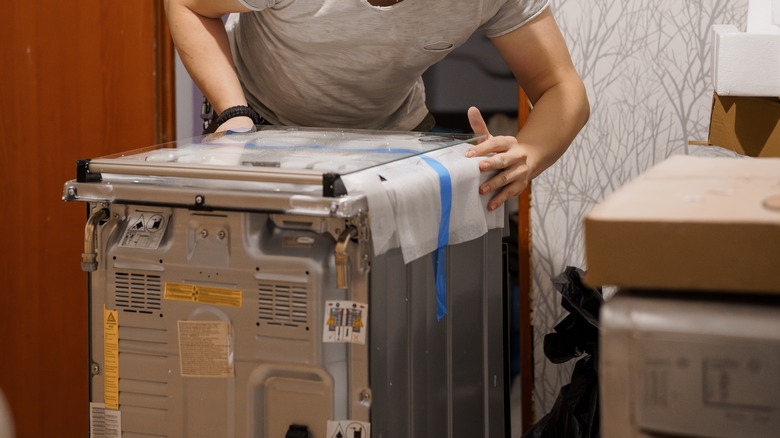
There's a certain pride that comes with doing things yourself — fixing a leaky faucet, painting a room, maybe even swapping out a light fixture. But kitchen appliances are a different story. While it might be tempting to hook up your own dishwasher or slide that new range into place, you should resist the urge and leave installation to the professionals.
Between the fine print in your appliance warranty and the very real danger of a gas leak or electrical mishap, installing kitchen appliances without a pro can be a costly move. There are also certain appliances that seem to break down at a moment's notice, so it's extremely important to set them up for success. You might save on an installation fee upfront, but a single mistake could lead to hundreds (or thousands) in repairs — or worse, safety hazards that affect your entire household. And then, there's the stress — even if you manage to get everything working, there's no guarantee it was done up to code or will stand the test of time. In the long run, hiring a professional isn't just about convenience — it's about protecting your home, your investment, and your sanity.
Don't void the warranty before you even use the appliance
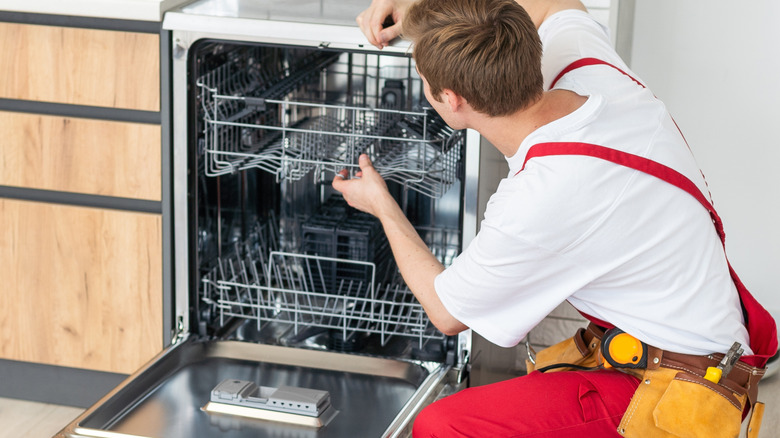
Most major appliance brands clearly state that improper installation — including DIY jobs — can void the warranty altogether, so self-installation can ultimately be one of the biggest mistakes you can make when buying new appliances. That means that if your new dishwasher leaks or your oven stops heating properly, you're on the hook for repairs or replacement, no matter how new it is. And speaking of leaks, improper water hookups are a major culprit in hidden home damage. A slow drip behind your fridge or under your sink can lead to warped flooring, mold, and expensive structural issues. Gas and electrical mistakes are even riskier: A poorly installed gas range can lead to carbon monoxide leaks or fire hazards. An overloaded outlet or miswired cord can also fry the appliance or even start a fire.
Then, there's code compliance. Local building codes exist for a reason, and failing to follow them could result in fines, failed inspections, or trouble when it's time to sell your house. Even if everything technically works, sloppy or unprofessional installs can hurt resale value. Buyers notice when appliances don't sit flush or look uneven, and those visual red flags can plant doubt about how the rest of the house was maintained. The bottom line is that the money you save by skipping professional installation can quickly disappear — and then some — if anything goes wrong, so even if you've taken the crucial first step for appliances and measured your space, you should still leave installation to the experts.