

11 Delicious Ways To Add Protein To Pasta Salad
We may receive a commission on purchases made from links.
One of the perks of summer cooking is the chance to swap out heavy meals for dishes that are lighter, brighter, and packed with seasonal flavor. Out go the slow-simmered stews and baked casseroles, and in come the grilled meats, crisp salads, and chilled soups. Among the stars of this warm-weather lineup is pasta salad — a cool, refreshing side that's always a crowd-pleaser. Loaded with fresh veggies and tossed in zesty dressings, it's a must-have at backyard cookouts, picnics, and weeknight dinners enjoyed al fresco.
But why let pasta salad be just an accompaniment? With the right add-ins, you can easily transform it into a satisfying main course that's both nourishing and delicious. The secret lies in boosting the protein — think grilled chicken, tofu, beans, edamame, or even a spoonful of Greek yogurt for creaminess. These simple and delicious protein-packed upgrades for pasta salad might just lead you to your new favorite version.
Chicken
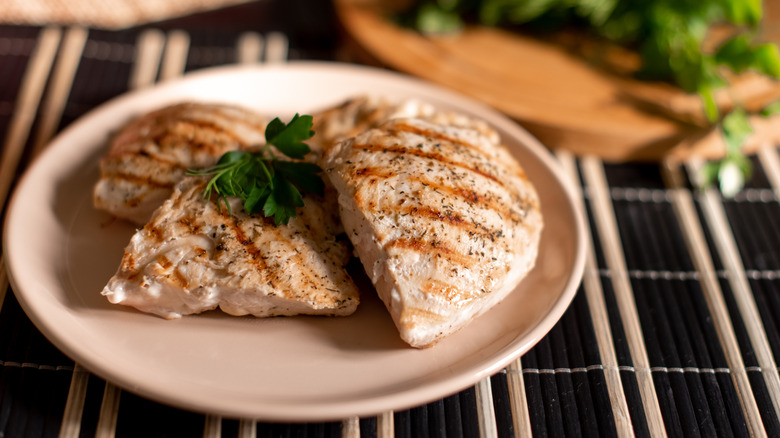
Chicken is a simple way to boost the protein in pasta salad because, chances are, there's probably some in your fridge right now. Whether grilled, shredded, or roasted, chicken brings satisfying heartiness to an otherwise light dish. Its mild flavor absorbs dressings well, like the zesty Dijon dressing in this chicken macaroni salad recipe. Plus, if you use chicken breast — the leanest cut of chicken — you'll get maximum protein with the fewest calories. Just one cup of cooked chicken breast has around 43 grams of protein and 231 calories, which makes your pasta salad filling without weighing you down.
It's also a practical choice for meal prep, as you can store cooked chicken in the refrigerator for a few days in advance. Or, take a shortcut and pick up a rotisserie chicken at your local market. And if you've ever overcooked your chicken (don't worry, we've all been there), pasta salad is a forgiving way to use it up.
Seafood
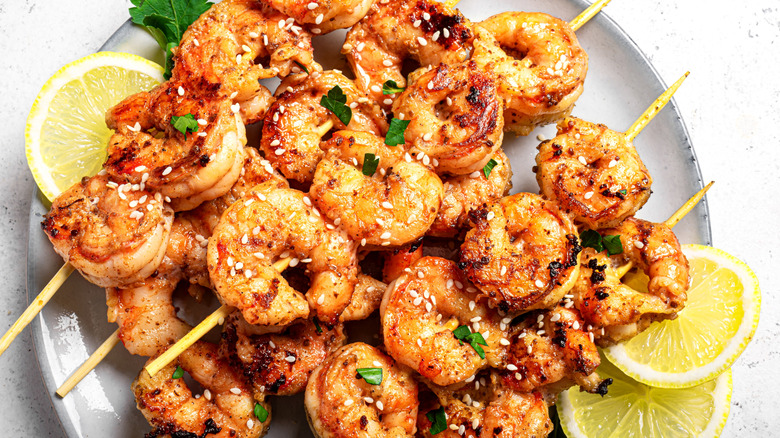
If you're a seafood lover, try adding shrimp to your next batch of pasta salad for a boost of protein. While any variety works, small, bite-sized salad shrimp are especially convenient, as they are widely available pre-cooked and frozen at most grocery stores for a budget-friendly price. One cup of cooked salad shrimp has about 24 grams of protein, making it a smart, no-fuss, easy addition.
Tuna is another excellent seafood option, as it's low in calories and fat, while packing in a significant amount of protein – nearly 50 grams in a 6-ounce serving of cooked yellowfin tuna. It's a protein powerhouse that turns a simple seafood pasta salad recipe into a stand-alone main course. For convenience, reach for canned tuna. It's just as tasty and nutritious, and ready to use in minutes. But a word to the wise: Be sure to pick up canned tuna packed in water — not brine or oil — to reduce sodium and fat.
Beans and legumes
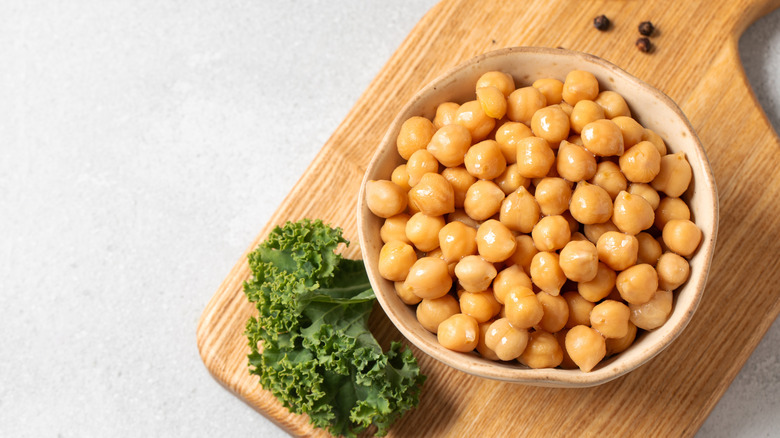
Beans and legumes are nutrient-rich foods, packed with plant-based protein, fiber, and essential nutrients — we could all benefit from incorporating them into our meals more regularly. An easy way to do that is by tossing them into pasta salad. It's a wholesome way to boost the protein content while adding texture, color, and heartiness.
While you can pretty much use any type of bean, chickpeas are a popular choice as they offer over 14 grams of protein per cooked cup — along with plenty of fiber to support gut health. Lentils are another great choice, but make sure to choose the right type. Avoid red lentils, as they tend to break down and turn mushy, which makes them better suited for soups than salads. Instead, opt for sturdier varieties that hold their shape well, such as green (French) lentils or brown lentils. Both types of lentils contribute their own unique flavor. Green lentils have a subtle peppery flavor, while brown lentils boast an earthy depth. While different types of lentils vary slightly in their nutritional content, one cup of cooked lentils provides roughly 17 grams of protein.
Legume pasta
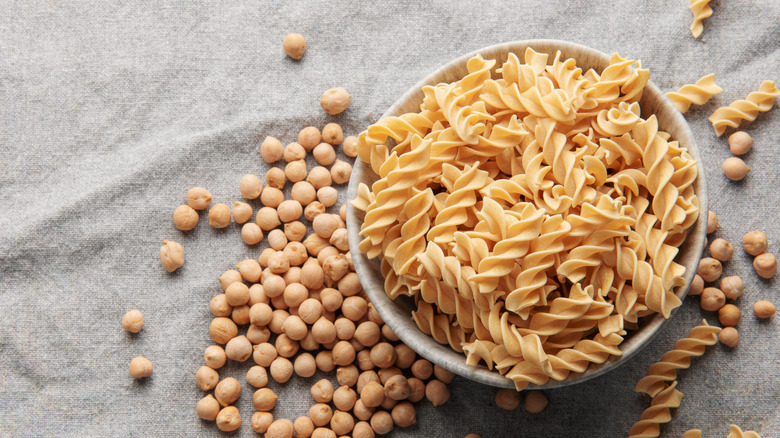
To give your pasta salad a protein boost, substitute regular wheat pasta with pasta made from legumes. These alternative pastas are made from dried legumes, like chickpeas, lentils, and black beans, that are ground into flour. They contain significantly more protein than traditional pasta. One popular brand of chickpea pasta offers 20 grams of protein in a 3.5-ounce serving. The extra plant protein you'll get from legume pasta will keep you healthy, strong, and feeling fuller for longer, which helps to manage hunger levels.
When cooking legume-based pasta, be sure to pay attention to cooking times, as they tend to cook faster and can quickly turn mushy. Also, take the time to experiment to find your favorite. There are a lot of types (and brands) out there, each with varying textures and tastes. For example, chickpea pasta boasts a slightly nutty flavor, black bean pasta tends to be chewier and has a striking black color, and lentil pasta has a mild, earthy taste like that of whole wheat pasta.
Greek yogurt
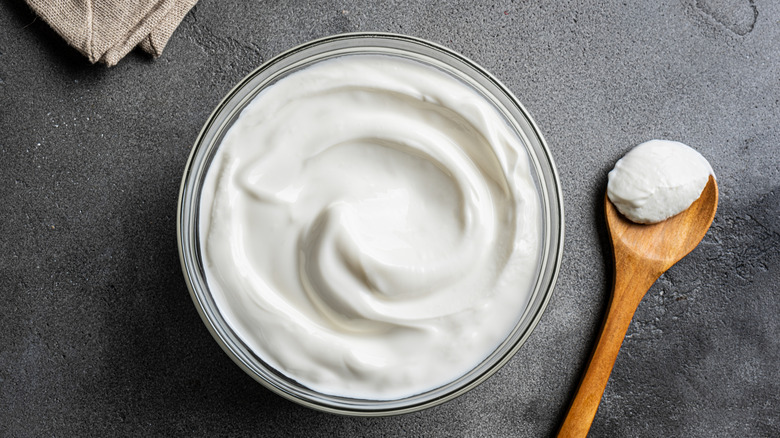
Greek yogurt is an easy way to boost the protein content of your pasta salad. By replacing some of the traditional mayonnaise in your dressing with Greek yogurt, you'll simultaneously amp up protein, add creaminess, and cut out some of the greasiness and fat. And, since Greek yogurt is packed with gut-friendly probiotics, you'll also be improving your digestion. Tastewise, it adds a bright tang that balances the starchiness of the pasta and complements the fresh vegetables beautifully. For best results, stick to plain, unsweetened Greek yogurt to avoid adding flavors that may clash or overshadow the natural taste of the salad's ingredients.
Greek yogurt isn't the same as regular yogurt. Unlike regular yogurt, Greek yogurt is strained to remove the liquid whey, which gives it a thicker consistency. To replace the whey, more milk and cream are added; as a result, Greek yogurt is typically more expensive, but keep in mind, you're also getting twice as much protein as regular yogurt. A 7-ounce serving of low-fat, plain, unsweetened Greek yogurt has around 20 grams of protein – compared to 10 grams of protein in the regular kind. If a gut-friendly, bright-tasting, high-protein pasta salad is what you're after, adding Greek yogurt is a wise move.
Tofu
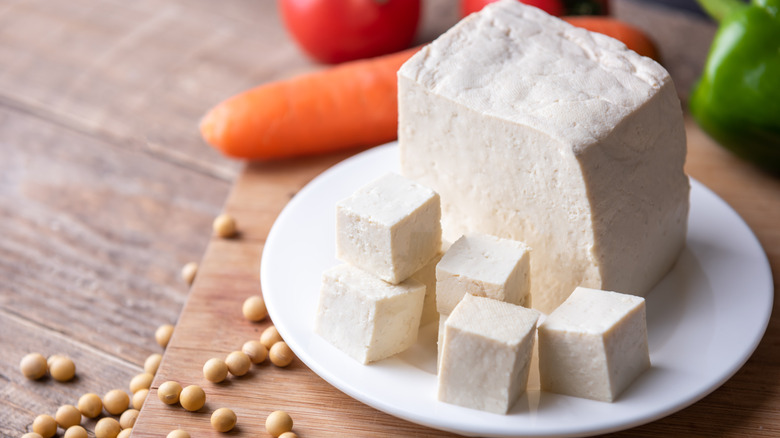
Those who follow a plant-based diet know that tofu is a popular way to add protein to a dish without meat, and it happens to work particularly well in pasta salads. Just ½ cup of tofu added to pasta salad contributes about 10 grams of protein, giving the dish a hearty boost without the need for meat. The mild flavor of tofu — pressed fresh soybean curds — won't distract from the other ingredients in the salad either. Instead, it will soak up whatever dressing you toss it in.
However, if more flavor is what you're after, try marinating your tofu before cooking it to add and intensify flavor. Just be sure to use firm or extra-firm tofu so it holds its shape when cooked. Beyond its protein content, tofu adds texture that contrasts well with chewy pasta and crisp veggies. Prefer something sneakier? Reach for silken tofu, the softest type with a custard-like consistency, and blend it right into your dressing for a rich, creamy texture that's packed with protein — your guests will never know it's there.
Cheese
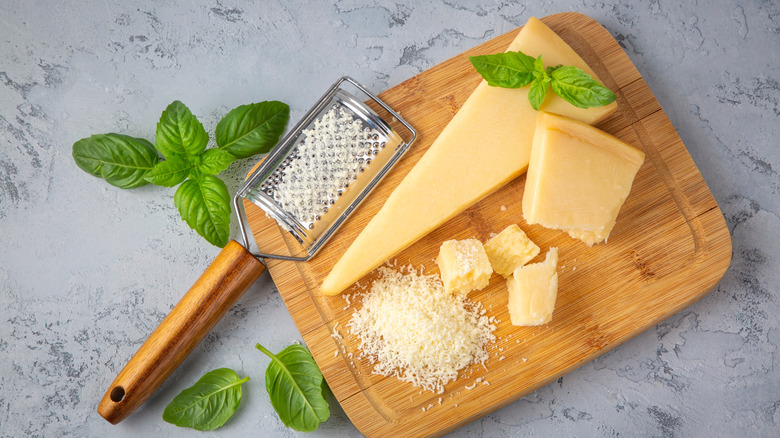
Cheese and pasta are a classic food pairing — think macaroni and cheese, fettuccine Alfredo, or a gooey lasagna. So, it makes complete sense to add cheese to pasta salads, not only for the taste but also for a solid boost of protein. You can choose from a variety of cheeses, including nutty Parmesan, fresh mozzarella, sharp cheddar, and tangy blue, depending on the flavor you're after. But keep in mind that different cheeses have varying protein content. For instance, a one-cup serving of grated Parmesan delivers about 28 grams of protein, while the same size serving of sharp cheddar provides about 25 grams of protein.
Soft cheeses can also be used – cottage cheese, in particular, is a protein-packed option with a mild flavor. With cottage cheese, you can increase the protein content of your pasta salad without overwhelming the overall flavor or significantly changing the texture. Blend it directly into your dressing for a creamy texture, or puree it with fresh herbs and seasonings to use it as the base of your sauce. One cup of cottage cheese offers around 25 grams of protein.
Eggs
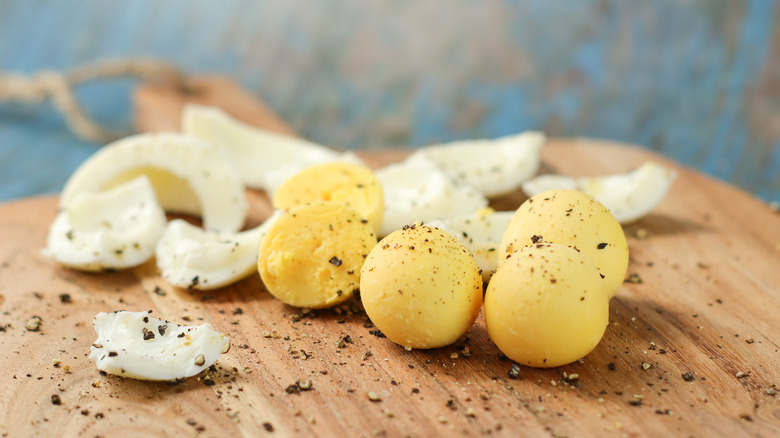
Another wholesome and nutritious way to increase the protein in your pasta salad is to add eggs. A single large egg contains about six grams of high-quality, complete protein, which means it has all essential amino acids that your body needs for overall health. Hard-boiled eggs, in particular, are especially convenient because they're easy to prepare with just a pot of boiling water and some hands-free cooking time. Once cooled and peeled, the eggs can be chopped into bite-sized pieces and folded into the salad, or arranged on top in a decorative pattern for a nice visual touch. The creamy yolks and firm whites add texture and richness that will make the dish super satisfying and filling.
For a leaner protein option, you can use solely the egg whites since they contain most of the protein found in the egg. One cup of egg whites has about 26 grams of protein, so you'll still get a lot of protein without the cholesterol found in the yolk.
Edamame
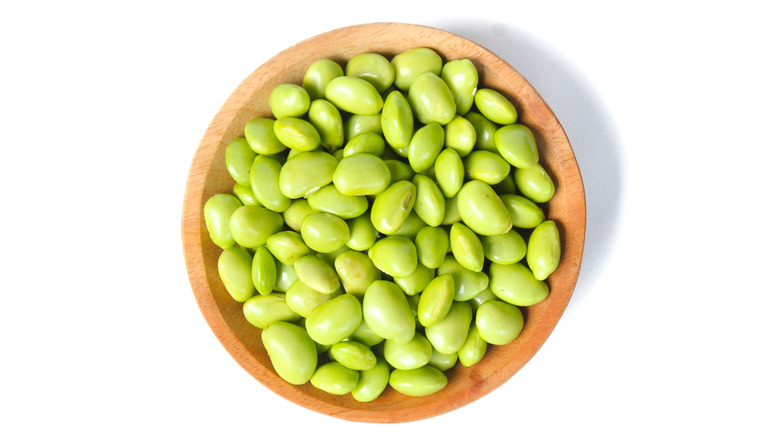
Another fantastic way to dress up your pasta salad with protein is by adding edamame — immature soybeans that pack a powerful nutritional punch. Edamame is a superb source of protein; one cup has approximately 18 grams of plant-based protein. You can toss in tender edamame beans for a buttery texture, or sprinkle in roasted edamame to add a crunchy bite to your pasta salad.
Frozen edamame is readily available at grocery stores, particularly in Asian markets. It's typically sold either in the pod or already shelled. In either case, you'll likely need to cook them before eating. Simply bring a pot of salted water to a rolling boil, then add the edamame straight from the freezer (no need to thaw), and cook for four to five minutes, until they turn bright green and just tender. Drain and rinse under cold water to stop the cooking process. If you're cooking the pods, pop the beans out of each pod before folding them into your salad.
Quinoa
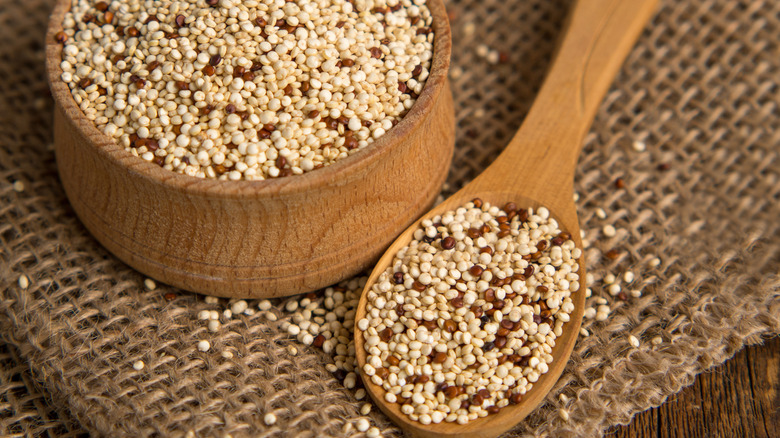
Like meat, soy beans, and eggs on this list, quinoa is another complete protein, meaning it contains all nine essential amino acids your body requires. Just one cup of cooked quinoa delivers about eight grams of protein, along with a healthy dose of fiber, antioxidants, and minerals. Its impressive nutritional profile makes it a wise plant-based addition to your meals, especially for those looking to diversify their sources of protein.
Beyond its health benefits, quinoa is also a great pick for busy cooks thanks to its quick and easy preparation. It's a snap to make as it cooks on the stovetop in just 15 minutes. When added to pasta salad, quinoa adds a subtle nutty flavor and a slightly crunchy, chewy texture. It also absorbs dressing really well, which means more flavor in every bite. Thanks to its make-ahead convenience, quinoa is an ideal choice for meal prep throughout the week.
Nuts and seeds
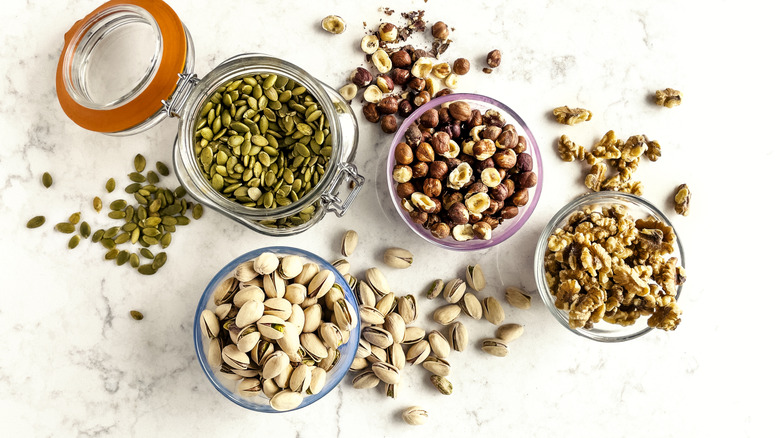
Nuts and seeds are a simple way to add protein to any pasta salad recipe. A handful of your favorite nuts, like almonds, pistachios, or walnuts, will add not only protein but also a satisfying crunch and rich flavor that will make your salad way more interesting and satisfying to eat. The amount of protein varies depending on the nut: a cup of whole almonds delivers about 30 grams of protein, pistachios come in close with nearly 25 grams of protein, and chopped walnuts offer about 18 grams. Prefer seeds? Pumpkin seeds (pepitas), sunflower seeds, and hemp seeds are all excellent choices that blend seamlessly into pasta salad.
For more intense flavor and texture, consider toasting your nuts or seeds before adding them. A quick toast in a dry skillet over medium heat or a hot oven will give them a crispier texture and bring out their natural oils that enhance flavor and aroma. Whether sprinkled on top or folded into the salad, toasted nuts and seeds will elevate both the taste and protein content of your pasta salad.