

9 Mistakes To Avoid When Making A PB&J Sandwich
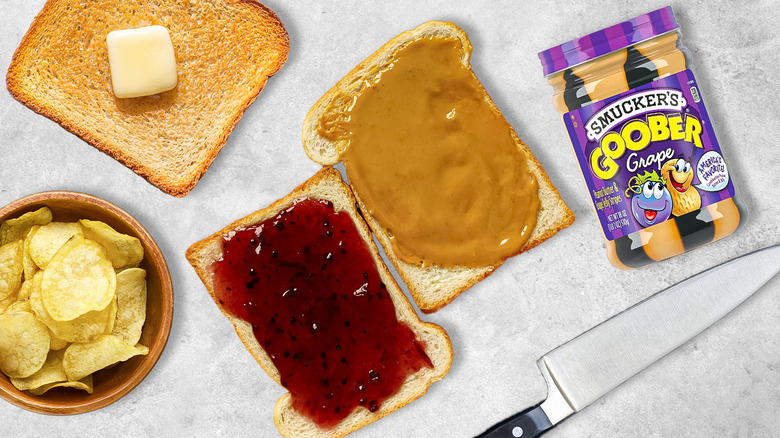
What's the simplest dish you could ever imagine making? If you're like a lot of people, it's a peanut butter and jelly sandwich. You may have learned how to make one when you were just a kid and your parents were encouraging you to pack your own lunchbox for the first time, or perhaps you became a PB&J maker during your college years, when a lack of funds and a formal cooking space meant that you had to make do with the basics. Sure, it's a dish that seems simple enough to throw together, but there's more that goes into making a PB&J than you may think.
That's why we've collected a list of some of the most common mistakes people make when they're building a peanut butter and jelly sandwich. By avoiding these PB&J pitfalls, you can ensure that you have a perfect, non-soggy sandwich every time. Get out the white bread, a butter knife, and either the crunchy or creamy stuff (we support you either way). Once you stop making these mistakes, you're in for the best peanut butter and jelly sandwich of your life.
Using crusty bread
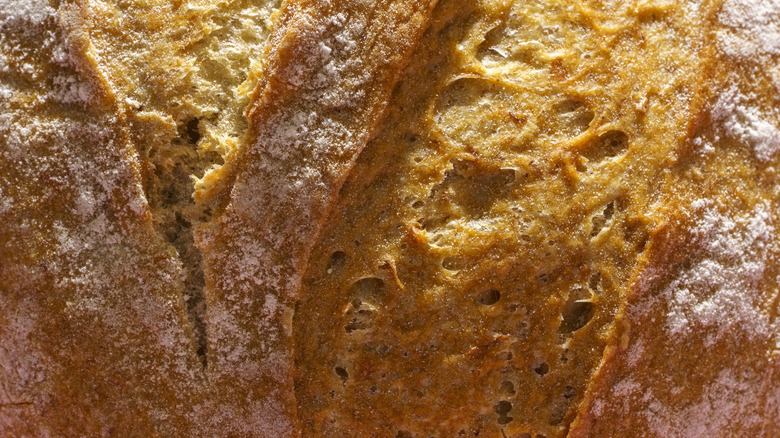
Bread is an integral part of any sandwich. Not only does it provide the structure for the dish, but its texture can absolutely make or break a sandwich, including a PB&J. And although a lot of quality sandwiches require seriously good-quality bread — preferably the crusty stuff, like a nice baguette or ciabatta — those types of bread should generally be avoided when it comes to this specific kind of sandwich.
Why? Well, a peanut butter and jelly sandwich is supposed to be soft and supple. You shouldn't have to fight your way through the bread like you would with, say, a well-made jamon beurre, where that chewiness creates a more decadent bite. These types of bread are also too dry for a sandwich largely composed of peanut butter. The result is a dry, chewy mess that is likely to drip excess jelly. Your best bet is to stick with the basics when it comes to a PB&J. We like using standard sliced white bread, although you could switch it up and opt for wheat if you want something with a bit more body to it. Either way, just be sure to avoid those dense, crusty breads if you want a PB&J that really shines.
Not spreading peanut butter on both sides of the bread
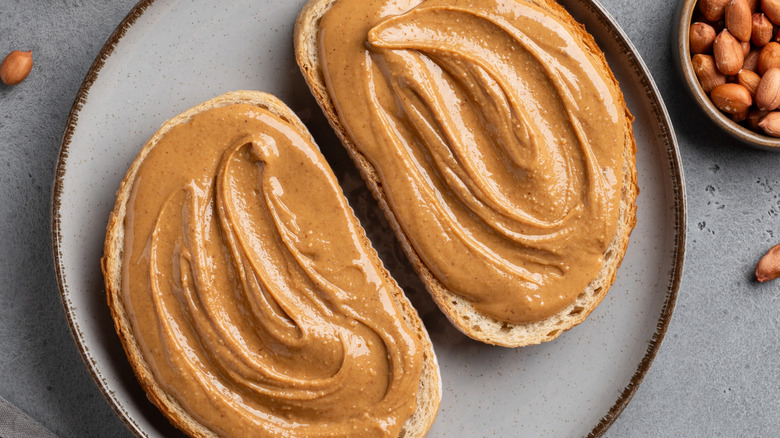
Everyone has their own specific way of making a peanut butter and jelly sandwich, and in many instances, we can embrace those differences. However, there is one step of the sandwich-making process that you're really not going to want to forget: spreading peanut butter on both slices of bread. It may not sound conventional to some who prefer to put peanut butter on one side and jelly on the other, but hear us out when we say that using peanut butter on both pieces of bread can make for a much better sandwich.
See, when you're using soft white bread, jelly can easily seep into it, creating a soggy sandwich just a few minutes after you construct it. Obviously, that's not great if you're not planning on eating the sandwich right away. By separating the jelly from the bread with a layer of peanut butter, you're preventing that seepage and sogginess from ever happening. Our advice? Use thin layers of peanut butter on both slices of bread before dolloping on the jelly. That way, you can guarantee your sandwich will still be delicious for hours to come.
Forgetting to cut the sandwich diagonally

It's an age-old debate: What's the best way to cut a peanut butter and jelly sandwich? Some people prefer to keep their entire sandwich intact, grasping it with two hands to ensure that none of the ingredients fall out of the back end while they're eating. Others prefer to slice their sandwich vertically, creating two mirrored halves. But if you really want to get maximum enjoyment out of your PB&J, you should cut the sandwich diagonally.
This diagonal cut makes a difference in a few ways. First of all, those triangular shapes are easier to grasp, making for an easier eating experience, even if you're munching on your sandwich one-handed. Additionally, cutting the sandwich diagonally exposes more of the interior of the sandwich, allowing you to get a more appetizing glimpse of the spreads inside. Plus, it's easy to start working on the sandwich from one of the corners without accidentally getting peanut butter on your face.
Look, we get it — some people are fanatical about how they cut their peanut butter and jelly sandwiches, and if you prefer a different kind of cut, go for it. But, ultimately, we do believe that a diagonal cut makes for the most delicious PB&J possible.
Assuming that there's one right answer to the crunchy vs. creamy debate
There's a ton of debate around whether crunchy or creamy peanut butter is better, especially when it comes to a peanut butter and jelly sandwich. But if you ask us, there's a place for both of these peanut butter varieties — it all just depends on what you like. A PB&J is a particularly soft sandwich, with the white bread and jelly, so it only makes sense to lean into that smooth softness with creamy peanut butter. It just melds so easily with the other ingredients, which makes it a no-brainer for those who just want to eat something rich, smooth, and sweet.
On the other hand, there are some people who prefer a bit more texture in their PB&J. If you fall into that camp, then crunchy peanut butter is the clear winner. It creates a lovely textural contrast with the other softer and smoother ingredients, which is why so many prefer it to creamy. Ultimately, both types of peanut butter can taste good in this kind of sandwich — it just comes down to your personal preference.
Using low-quality jelly
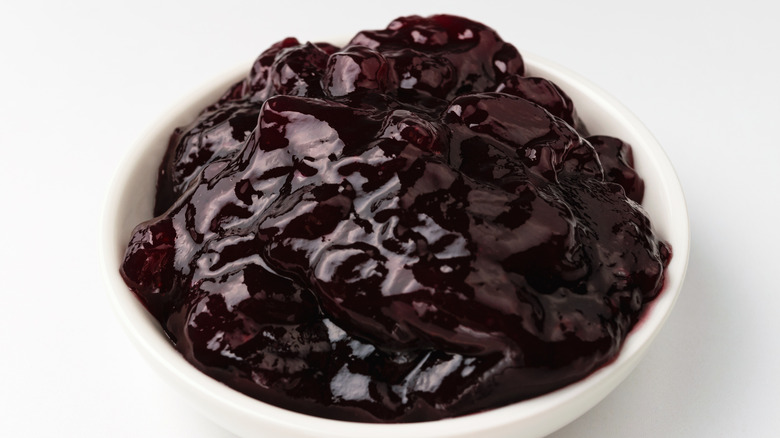
When it comes to a recipe as simple as a peanut butter and jelly sandwich, the quality of the ingredients you decide to use really matters. That's because if something's off, you're going to taste it in every bite of the sandwich. Although PB&Js are especially cost-effective sandwiches, we think it's worth splurging on some extra good jelly to really make your sandwich taste as good as it possibly can.
Of course, you can look for certain brands you already know, love, and trust, but your best bet is to simply look at the ingredients list of any kind of jelly you're thinking of buying. It's generally your best bet to choose jellies that have fruit listed first with sugar instead of high-fructose corn syrup. This will likely ensure a better flavor and texture, so every bite of your sandwich is as delicious as can be. Whether you want to choose grape, strawberry, or any other kind of jelly, though, is up to you. Better yet? Make your own jelly from scratch.
Not cleaning the knife off before the peanut butter and before the jelly

If there is one major sin you can commit in the process of making a peanut butter and jelly sandwich, it has to be not cleaning your knife after you use it for the peanut butter and before using it for the jelly. However, countless commit this sin every day, dirtying the jelly jar for whoever decides to make a sandwich next. Now, will this affect the sandwich you're making as you're double-dipping your knife? Maybe not. But it'll slowly add chunks of peanut butter to your jelly jar, which will become tainted with the rather strong flavor of peanut butter.
This mistake is bad enough if you only use jelly for PB&Js, but many of us have jelly on hand for other purposes in the kitchen as well. And nothing is a bigger bummer than opening up that jar of jelly just to find that it's streaked with peanut butter — even though you don't plan on including peanut butter in whatever recipe you're making. Just take the extra few seconds to clean your knife off when you're done with the peanut butter, and you can enjoy a consistently peanut butter-free jelly jar.
Toasting the bread
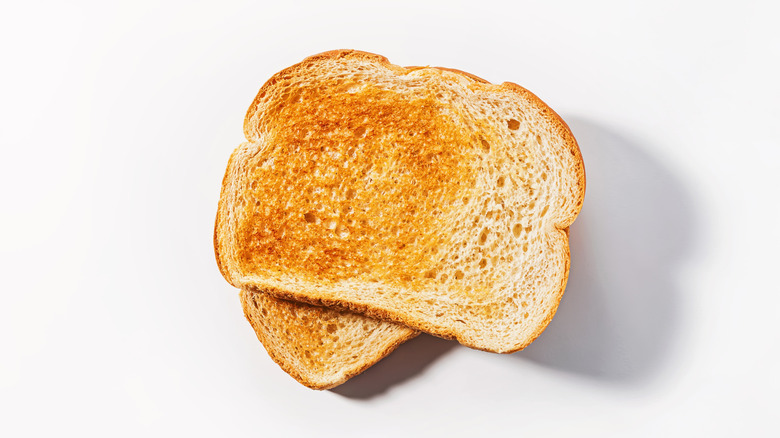
We've already mentioned that a good peanut butter and jelly sandwich is ideally soft, even squishy, so it shouldn't come as any surprise that you shouldn't toast the bread you're using for your PB&J sandwich. Of course, everyone has their own preferences, and if you insist on toasting the bread for your sandwich, you should go for it. But if you're simply trying to create the most delicious, nostalgic sandwich possible, it's generally a good idea to skip the toasting step.
First of all, it ruins the texture of the sandwich. Have you ever bitten into a crispy peanut butter and jelly sandwich? Probably not — and for good reason. It adds an extra layer of texture that you really don't need and that actually detracts from the sandwich's signature softness. At the same time, heating up the bread ahead of time can make the peanut butter you're using (especially if you're utilizing the natural variety) melty and drippy, making a big mess on your plate. The good news is that by skipping toasting, your sandwich will come together even faster.
Using Goober peanut butter and jelly
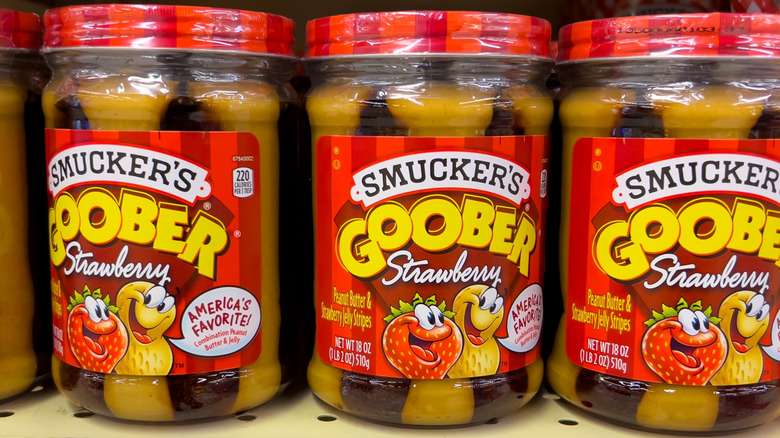
There is perhaps no product on store shelves more cursed than Goober, a striped mixture of peanut butter and jelly that comes in not two, but one jar. The idea is that you only need one product to create a decent peanut butter and jelly sandwich. That vision may be a good one, but when you put it into practice, the results just don't taste very good, regardless of the flavor you choose.
That's probably because both the peanut butter and jelly in the mix seem to be somewhat low-quality and vastly too sweet. The peanut butter feels a bit grainier than I'd personally want it to be, and the jelly has no structure to it, taking on a liquid-like consistency. Then, when you actually take the product out of the jar, it spreads onto your sandwich completely randomly, without the neatly laid layers that you can usually achieve with two different jars. Unless you're really on a tight budget, we'd suggest leaving Goober behind.
Not including potato chips in your sandwich
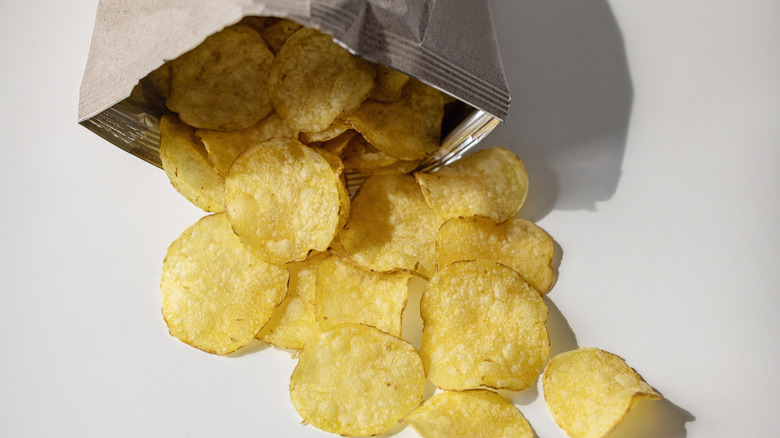
If you're looking for the easiest way to upgrade your peanut butter and jelly sandwich, look no further than potato chips. Sure, you already eat them on the side of your sandwich, where their saltiness pairs especially well with the sweetness of a classic PB&J. But why not combine them on the actual sandwich? It will give it a degree of crunchiness that you can't achieve from crunchy peanut butter alone, along with that aforementioned saltiness that creates an incredible flavor balance.
You can include potato chips in your sandwich in a couple of different ways. While you're constructing your sandwich, simply place the chips inside before closing and cutting the sandwich. Alternatively, you can add them to the sandwich as you eat, controlling the saltiness in every bite. Either way, we like using plain salted kettle chips. The thicker cut of these chips holds up well against the peanut butter, and their intense crunch provides for a more interesting textural experience.