

Whole Foods Vs Fresh Market: Which Store Has The Best Produce?
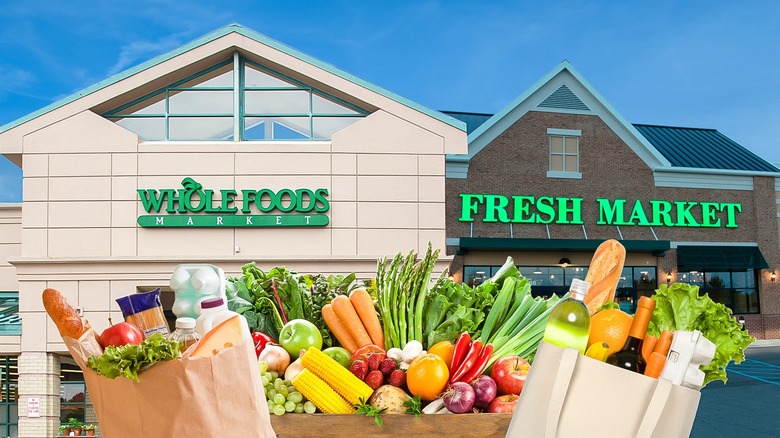
Produce is often the crown jewel of any grocery store, and for many shoppers, it's the deciding factor when choosing where to shop. Whether you're searching for crisp greens, perfectly ripe fruit, or organic staples for the week ahead, the quality, freshness, and sourcing of produce can make or break a grocery experience. For the more upscale chains, two are commonly cited in high-quality fruit and vegetable discussions: Fresh Market and Whole Foods Market. Although both attract customers who prioritize appearance, taste, and health, they vary in terms of style and standards in their produce.
Whole Foods celebrates its national presence and high expectations, delivering broad access to organic and sustainably produced fruits and vegetables year-round. Fresh Market, on the other hand, takes on a more intimate, boutique-like experience, featuring local farms, seasonal offerings, and artfully composed displays. Consumers often debate back and forth over which store really delivers the best quality and shopping experience when it comes to produce.
To better gauge that, we dove in — reading reviews from customers, looking at store pics, checking price trends, and adding up frequent gripes from everyday shoppers and employees alike. The result? A store-by-store breakdown of how these companies really stack up against each other in the produce department. From flavor and freshness to service and value offered, here's what you should know before shopping for your next basket of fruits and veggies.
Whole Foods has a massive certified organic selection
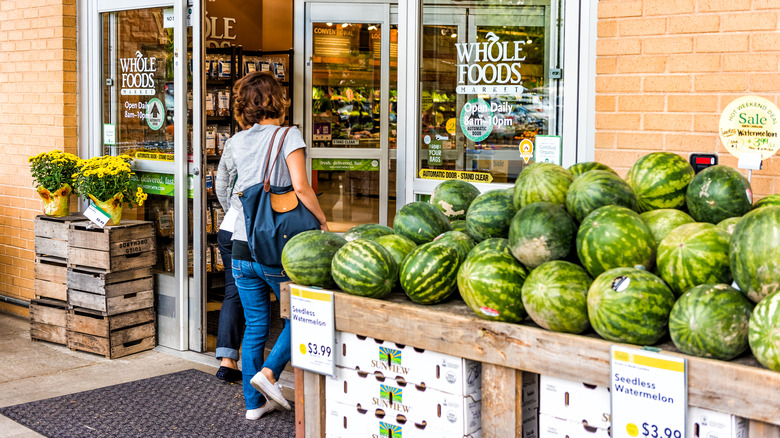
Whole Foods has built its brand on being a destination retailer for organic consumers, and nowhere is that more evident than in its produce section. The store offers an extensive variety of USDA-certified organic produce, in that it's one of the largest organic food retailers in the United States. For shoppers who are more health-oriented with a concern for organic options based on environmental or ethical motives, Whole Foods is pretty unmatched based on quantity and consistency (though, as of this writing, Costco actually sells more organic produce than Whole Foods).
Even though the Organic Trade Association doesn't publish retailer-specific sales data, the U.S. organic market hit nearly $72 billion in 2024, with organic produce making up a sizable 30 percent of total organic fruit and veggie sales nationwide. Whole Foods' presence and organic-focused branding suggest it plays a key role in that growth. Walk into nearly any of its national locations and you'll find organic versions for a host of staples like bananas, carrots, greens, etc. These products are clearly labelled, accessible with ease, and harmoniously integrated into the broader shopping experience.
Unlike other stores where organic options are relegated to a secluded corner (or offered irregularly), Whole Foods sets organic fruits and vegetables as its standard, while integrating organic and non-organic items in one section. This amount of commitment makes the store a go-to choice for consumers who want to avoid pesticides, GMOs, and certain (less-than-savory) farming techniques. One of the major reasons why Whole Foods still enjoys a massive and loyal clientele, especially from families and health-conscious consumers, is because of this extra effort.
Whole Foods has a sourced for good seal
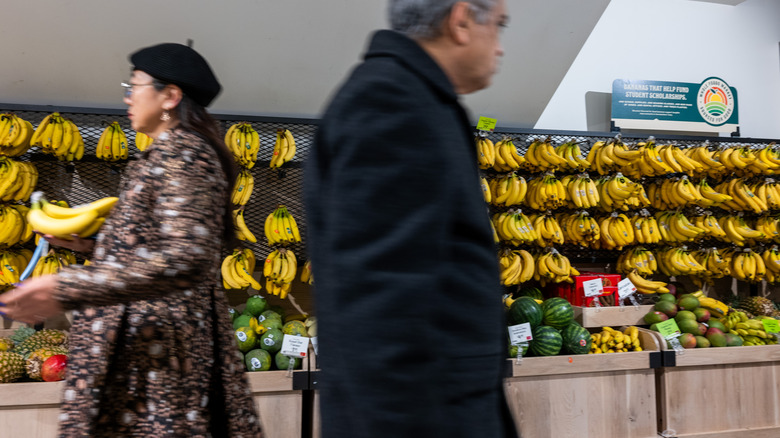
In addition to its organic certification, Whole Foods once had an internal rating system called Responsibly Grown to allow customers to evaluate the ethics and environmental impact of their produce purchases. The rating system, launched in 2014, assigned "good," "better," or "best" ratings to some fruits and vegetables based on factors such as soil health, water conservation, pest control, and workers' well-being.
While organic certification is usually focused on inputs like the use of pesticides and fertilizers, the Responsibly Grown system aimed to measure a broader kind of sustainability. It included, for instance, habitat preservation and the preservation of pollinators — issues not typically addressed by the USDA organic label. However, the program was phased out and replaced in 2021 with the Sourced for Good seal after controversy. The aforementioned 2014 campaign received a mixed reception since its introduction, especially from some organic producers who weren't fans of yet another label and program to enter and pay fees for (one that relies on honest disclosure rather than regular farm evaluations). But many shoppers indicated that they'd support a way to easily identify products from Whole Foods that were ethically sourced.
The pivot represents Whole Foods' greater commitment to sustainability, going as far as to scrap former campaigns in order to better its work with farmers. Whether or not consumers have taken the new seal as an input for purchase decision-making, it was an important step for the retailer to transcend simple organic labeling with a more holistic evaluation of farming practices.
Whole Foods has year-round organic staples
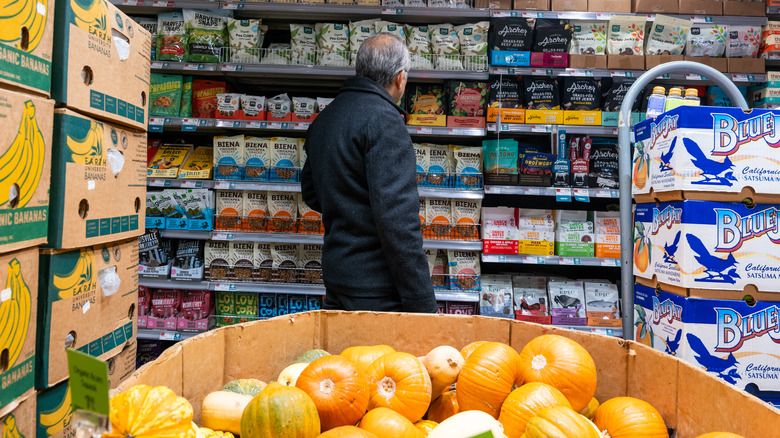
Whole Foods' signature offering is its year-round stock of organic produce. This includes fruits and vegetables that are out of season in a consumer's local region. The consistency is a huge draw for consumers who follow plant-based or health-oriented diets and utilize organic products in their daily intake. Through its national distribution channels and partnerships with organic farms around the globe, Whole Foods is able to stock year-round staples, like organic kale, bananas, berries, avocados, and leafy greens — regardless of local growing seasons.
This consistency is owed in part to Whole Foods' ability to source from certified organic growers in different climates, both domestically and internationally. The U.S. imports significant organic produce from nations like Mexico, Peru, and Chile during off-season months. With multiple sources for such produce, Whole Foods is able to maintain year round organic staples.
For shoppers in colder or less agriculturally varied regions, this availability year-round means that they are able to access organic fruits and vegetables that might otherwise be unavailable or available only conventionally. Though there are undoubtedly shoppers who prefer to shop both locally and seasonally, those for whom organic status is of the highest priority look to Whole Foods for its uninterrupted inventory of staples.
Fresh Market has fresher local produce
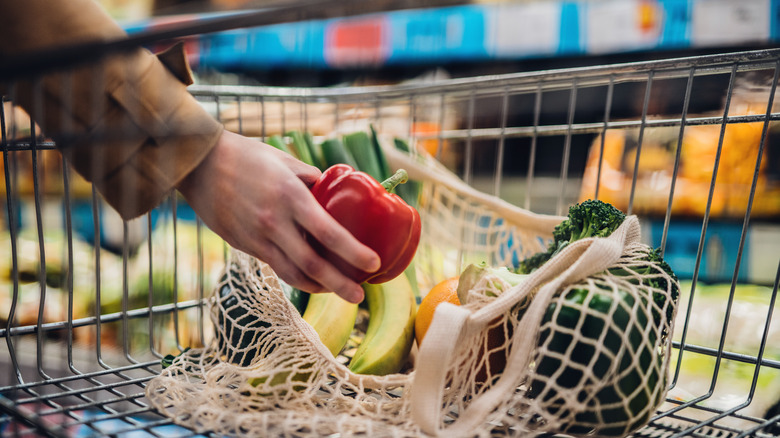
Among Fresh Market's best features is its emphasis on sourcing much of its produce from within the area, which means that customers often receive fruits and vegetables that were harvested at the height of ripeness and not coated in wax and loaded up on trucks to be transported whilst underripe. Its website tells the story of its founders wanting to recreate the European grocery experience in the U.S. amid a sea of warehouse-style shopping experiences. For many regions, this local-first approach means that fruits such as berries, tomatoes, greens, and stone fruits go only tens to hundreds of miles from farm to produce display.
In 2023, vice president of produce and florals at the Fresh Market, Chris Romano, revealed a bit about how the Fresh Market gets such high-quality produce. ""We have a local product buying team that concentrates on produce," he told Produce Business. "They work directly with the growers, often spending time in the field with the growers every chance they get." Beyond that, he confirmed Fresh Market has state programs for distributing regional produce.
This short supply chain means the produce reaches the stores sooner, with reduced transit time erasing the temperamental conditions of long-distance shipping. Reducing travel time preserves texture, flavor, and nutrient content — factors food science experts highlight when comparing farm fresh vs. imported produce. Additionally, Fresh Market's farm-to-table approach emphasizes that local sourcing is an effort prioritized alongside its internationally sourced produce that's available in stores.
For customers who value flavor and freshness over variety, this local purchasing method has a clear advantage. By working with nearby farms, Fresh Market enables customers to benefit from seasonal, fresh, garden-fresh-flavor produce.
Fresh Market has smaller, curated displays
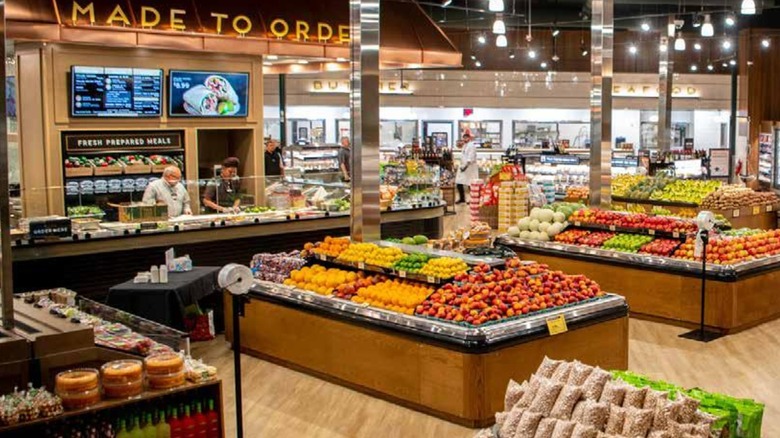
One of the distinguishing characteristics of Fresh Market is its smaller, highly merchandised produce departments engineered for quality and efficiency. Unlike the large-box grocery stores with storewide inventories, Fresh Market's stores are intentionally more rustic and intimate, with a concentration on visual draw and merchandise turnover. The shelves are carefully stocked to highlight freshness and avoid display overload.
Smaller displays naturally result in each item being rotated more frequently, reducing the chance for spoilage, which is particularly critical for perishable goods. This tighter inventory control leaves customers with fresh products that fly off shelves, not abandoned or stale ones that have gone through too many hands. The result? Longer-lasting produce in the home, with less potential for bruised fruits and hovering fruit flies.
Thoughtfully chosen fruit and veg picks also enable the chain to feature fresh and seasonal offerings, maintaining its farm-to-table image. With limited shelf space, high-performing and high-turnover varieties are the only ones that get a chance to shine on the grocer stage. This reinforces variety versus volume and ensures shopper satisfaction. Also, the less cluttered, cleaner look enhances the shopping experience. Well-lit, open displays foster discovery and make it easier for shoppers to find new, high-quality products. For shoppers who value quality, freshness, and presentation over quantity, Fresh Market's carefully selected produce departments offer both an aesthetic benefit and a practical benefit.
Fresh Market has more reasonable prices
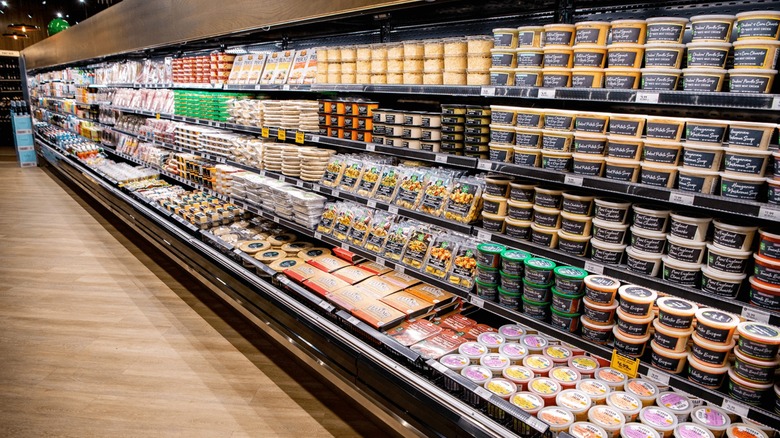
Despite all its upscale positioning, Fresh Market always delivers surprising value, including its produce. A combination of smart buying and ongoing promotions helps the chain deliver prices that are lower than much of the national retail competition, particularly on its affordable seasonal fruits and vegetables.
Firstly, the store features regularly updated. current-season fruits and vegetables at competitive prices through its Your Weekly Features program, which features frequent specials on produce and specialty items. Such promotions funnel savings directly to shoppers who are cashing in on local crop availability. Anecdotal consumer feedback on social media describes Fresh Market's produce underselling comparable items at larger chains — especially during peak growing periods when certain vegetables are readily available. Its commitment to local sourcing also enters into the picture. By buying locally, the store avoids paying long-haul transportation costs, so savings are transferred to the shelf price. Local farm partnerships reduce logistics expenses and enhance the local economy — savings that can translate into greatly reduced bills when a harvest is plentiful.
Combined with tastier exhibits and less waste (presumably because of tighter curation), the chain can offer more aggressive pricing without cutting profit margins or quality. Another example is that Fresh Market occasionally packages products into Little Big Meal specials that bundle fresh produce with proteins in order to provide cost-effective and ready-to-cook meal kits. It's not odd to see a green bean steam bag or corn as part of a family meal kit for less than $30. For consumers desiring first-rate produce without highest-end pricing, Fresh Market's balance of affordability, seasonally driven deals, and local procurement offers compelling value that far too often trumps its bigger competitors.
Customers appreciate Fresh Market staff
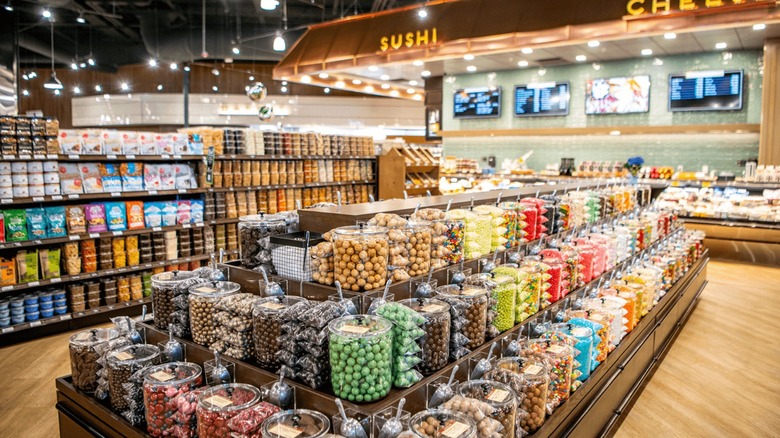
A feature that really stands out to most consumers at Fresh Market is the friendly, knowledgeable personnel in the produce section. As opposed to big-box stores where interaction with employees tends to be transactional, Fresh Market employees are often stationed throughout the aisles, poised to help customers by advising on ripe fruit, making cooking suggestions, and providing storage advice. According to the job description of a Produce Team Member, providing excellent guest service by engaging with the customers and helping them with selecting produce is one of the most important duties.
Customer reviews on Fresh Market's website also bear this out. Testimonials often mention that staff are attentive, helpful, and sprinkled throughout departments in the grocer. These moments paint a picture of a store environment in which employees actively assist and improve the shopping experience. This type of hands-on involvement generates trust and confidence in consumers — especially frazzled families or inexperienced cooks who may appreciate some tips for dinner. In contrast to impersonal big-box chains, Fresh Market introduces its staff as partners in expertise, rather than clerks.
Price comparison: corn at Whole Foods vs. Fresh Market
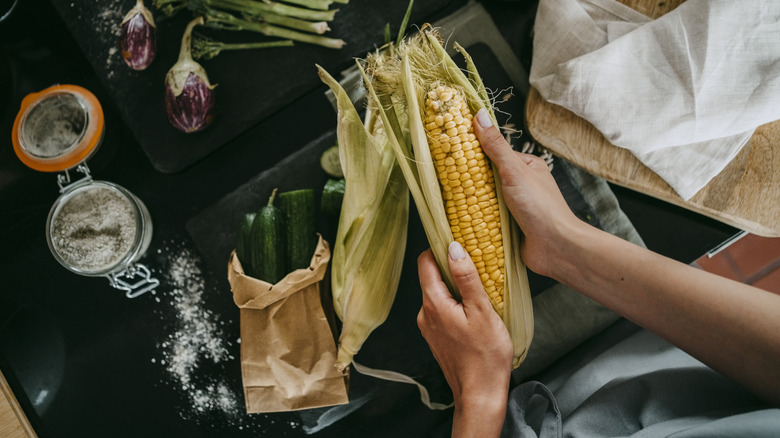
Corn is the perfect test case for comparing Fresh Market and Whole Foods pricing on staple produce. During peak season, both stores carry a variety of the summer-favorite veg, but Fresh Market often provides better per-unit prices thanks to regionally sourced deals and frequent promotions.
For example, in July 2025, Fresh Market listed corn priced at 3 for $2, or $1.19 each, as part of its Weekly Features program. During the same period, Whole Foods' advertised price for the same item in many regions hovered around $4.43 for a pack of 4, which is still pricier than six ears of corn from Fresh Market. Even though Whole Foods does offer discounts through its Amazon Prime member deals, these are typically limited time for those with accounts. Even considering this partnership deal, it still doesn't always compete with Fresh Market's regional produce pricing.
Fresh Market's pricing advantage likely stems from its commitment to local sourcing and shorter supply chains, which help reduce transportation costs and allow for sharper pricing during seasonal peaks. Whole Foods is known for its certified organic selections, but its consistent national inventory often relies on longer-haul and imported sourcing as well, which can drive up the price of produce through transport and special storage costs. For budget-conscious consumers who enjoy corn regularly in the summer, these differences can add up. Fresh Market's tendency to transfer savings to customers on this staple is just one example of how it can offer great value without compromising quality or freshness.
Verdict: Why Fresh Market comes out ahead of Whole Foods
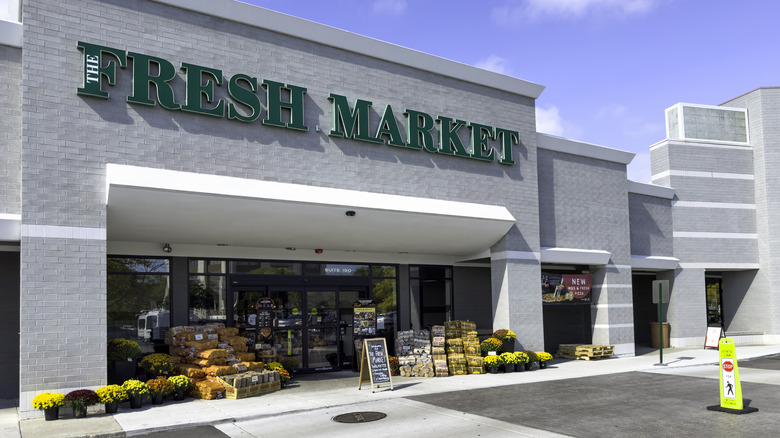
If we were only to assess Whole Foods and Fresh Market on the factors of produce value, quality, and store experience, then Fresh Market is the preferable choice for consumers. Whole Foods excels at carrying a wide, certified organic offering as well as seasonal availability of year-round staple items. But it does so by employing long-haul supply chains, which it undertook in more earnest once purchased by Amazon. On the other hand, Fresh Market's local buying habits bring fresher, more affordable produce onto the shelves earlier.
Pricing is another significant area of divergence when comparing the two. While Whole Foods has moved to be more price-conscious in recent years, especially for Amazon Prime customers, Fresh Market continually reduces prices on most seasonal items. These reductions aren't limited to specialty sales but are built into weekly promotions and regional partnerships that promote what's in season and local.
Shopping atmosphere is also a factor. Fresh Market's small, hand-selected displays and courteous employees provide for a more personal, assisted shopping experience, particularly in the produce department. Workers are often available to explain ripeness, storage, or selection, which can allow shoppers to buy with confidence. All things considered (local buying, premium prices on seasonal produce, employees with expertise, and a thoughtfully edited selection of products), Fresh Market offers a produce department that is more responsive, more intimate, and more grounded in quality than its larger competitors like Whole Foods. For shoppers who prioritize freshness, value, and service above all, it's the more appealing choice.