

14 Old School Coffee Habits Younger Generations Wouldn't Understand
According to a recent report on coffee consumption by the National Coffee Association (NCA), American coffee habits are rapidly changing, with new trends constantly emerging. For example, 40% of past-week out-of-home coffee buyers ordered on an app, up from about a quarter in 2020. And nearly half of American adults had an espresso-based beverage in the past week, a percentage which has steeply increased since 2022. Ordering ahead on a phone and grabbing a latte on the way to work have become routine, a far cry from how earlier generations got their morning cup of joe.
But going back even further into coffee's history is when things get really interesting. The coffee habits and rituals of Americans fifty or a hundred years ago are inconceivable to most modern-day coffee drinkers who are used to strolling into a cafe, ordering a latte, and paying for it with their smartphone. Let's go over some of the most annoying, disgusting, and laborious things that our predecessors used to do for their caffeine fix.
Roasting coffee beans at home
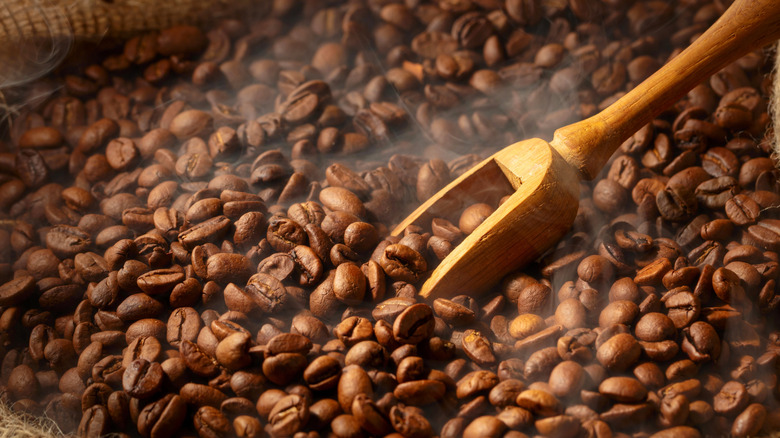
Coffee roasting has become increasingly sophisticated over the years. Today, green coffee beans are roasted in large stainless steel convection ovens or rotating drums that spin to ensure an even roast. Sometimes, large blowers even levitate the beans by blasting them with hot air.
The beans are often bombarded with near-infrared light to check the level of roast, and some roasters also use optical sorters to remove under- and over-roasted beans. This quality control process is far more complex than it used to be, when most people were roasting their own beans on the stovetop at home. "One coffee 'tradition' was to roast green coffee beans at home in a frying pan, stirring them to try to make it an even roast," says Mark Pendergrast, author of "Uncommon Grounds: The History of Coffee and How It Transformed Our World." "The result was freshly roasted coffee, but it was unevenly roasted, often burnt badly and/or raw in the middle."
It wasn't until the early 20th century that most Americans shifted to buying pre-roasted, ground coffee and stopped roasting at home. That said, if you want to give it a go, you can try roasting a small batch of coffee beans yourself using an iron skillet.
Grinding coffee by hand
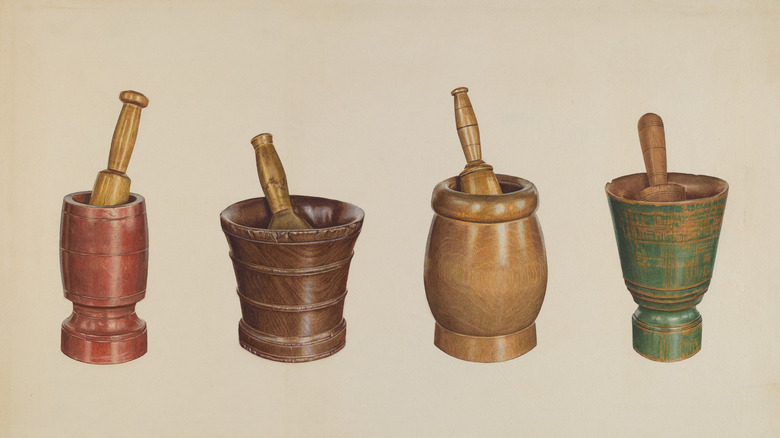
While most people use an electric coffee grinder today, the folks of the past had no such conveniences. Mark Pendergrast tells us that before electric grinders arrived in the late 19th and early 20th centuries, people would use a coffee grinder that was turned by hand, or even a mortar and pestle. And grinding coffee beans manually isn't easy.
Without a manual grinder, we're left with even lower-tech methods, like putting the beans in a plastic bag and crushing them with a heavy object. But crushing your beans or using an old-fashioned grinder is less than ideal, as it can produce very rough, unevenly ground coffee. An inconsistent grind makes it tough to brew a predictable, consistent cup of coffee without risking over- or under-extraction.
Of course, a mortar and pestle can produce a usable grind with enough effort, but how long can the average person bear down on one with all their strength? And that task is even more difficult if they haven't yet had their morning cup of coffee.
Boiling coffee on the stove
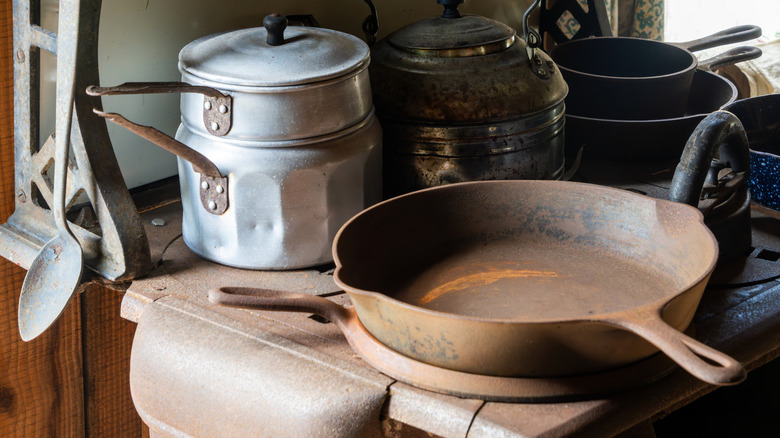
What did people do with their stovetop-roasted, hand-ground coffee? According to Mark Pendergrast, they brewed it in boiling water rather than making a pour-over.
This basic brewing method is similar to how people used to make coffee on the frontier. "Cowboy coffee," as it's sometimes called today, was made with rough-ground coffee in a pot of water, boiled over a fire. According to a Kent Rollins of Oklahoma — a real cowboy – the preferred method for cowboy coffee is to use a quarter cup of coarse-ground coffee for every quart of water. Then, bring the water and coffee mixture to a full boil, reduce the heat, and keep it rolling for around five minutes.
Once the coffee is brewed, pour some cold water down the spout and around the insides of the pot to help the grounds settle. Despite brewing the coffee for five minutes at a full boil, this approach supposedly produces very smooth coffee that even those with sensitive stomachs can drink.
Filtering coffee with food waste

After brewing ground coffee with hot water to extract its essence, the next step is to separate the coffee from the spent grounds. Otherwise, you're left with a gritty cup of coffee that won't be pleasant to drink.
Nowadays, many of us take coffee filters for granted. Before they existed, folks had some ingenious ways of filtering their coffee, but most of us would likely find them unsavory, to say the least. "Eggshells or fish skin [were] put in to make the grounds sink to the bottom of the brew," explains Mark Pendergrast. That may sound disgusting, but it worked, as the protein-rich makeup of these substances chemically attracts and binds loose coffee grounds, making it much easier to remove them from the liquid. Plus, both were plentiful byproducts of the kitchen.
These filtration methods were likely brought over to America by Scandinavian immigrants. In Minnesota, where many Scandinavians settled, some churches still serve egg-filtered coffee, notably at the Minnesota State Fair, while in Norway, fish skin was traditionally used to clear coffee.
Brewing coffee with a percolator
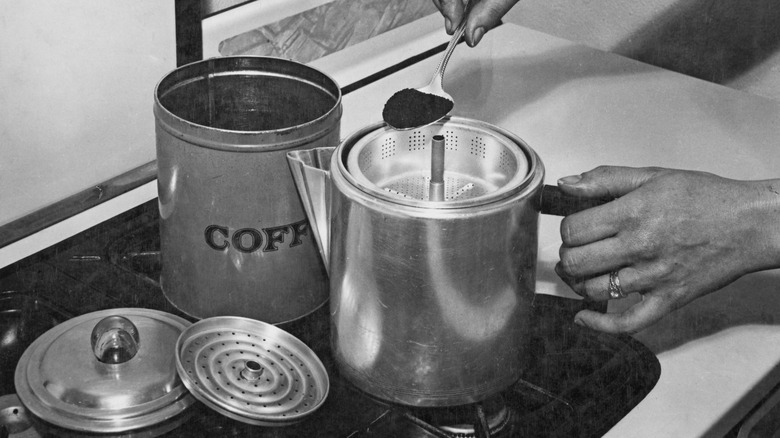
While a countertop drip coffee brewer looks like a simple appliance, if you peek inside, you'll see that it's actually a pretty complex machine. Before its invention, but after people stopped making their coffee in a saucepan on the stove, the most popular brewing contraption in America was the percolator.
"By the 1950s, the percolator was the most popular method of brewing coffee, which had become a homogenized, canned, mediocre brew with a fair amount of robusta beans," says Mark Pendergrast. The percolator was a layered pot that worked by heating water until steam pressure pushed it up a central tube and over the coffee grounds, before it dripped back down into the reservoir below to start the cycle again. The longer the percolator ran, the stronger the coffee. There was just one problem.
"The percolator recycled the brewing coffee through the grounds repeatedly, overextracting and producing a bitter brew," says Pendergrast. While this could be avoided by stopping the percolator at the right moment, many people let it go indefinitely to keep the coffee warm. It wasn't until the 1970s, when automatic drip machines hit the market, that percolators started to disappear.
Adding molasses to bitter coffee
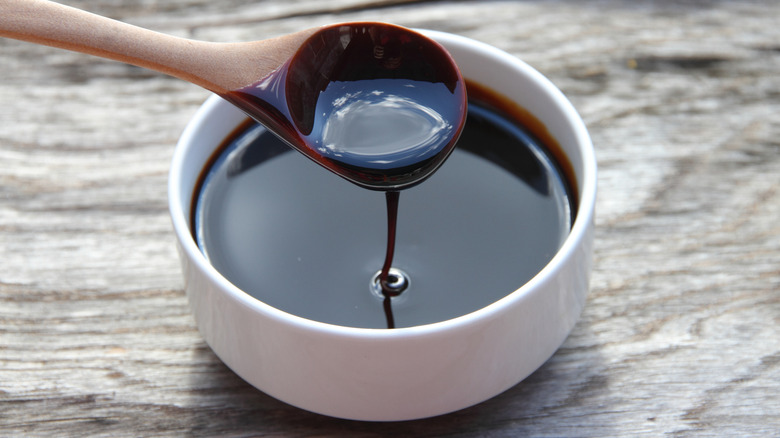
One of the most affordable and accessible sweeteners in 19th-century America was molasses, which some connoisseurs still recommend as a flavorful coffee additive. Molasses was much cheaper than white sugar, mainly because it was a byproduct of the sugar-making process. That made it the perfect affordable semi-sweetener for people who wanted to reduce the bitterness of their coffee.
Historical accounts show it turning up in lean circumstances. When a group of Sisters of Mercy arrived in North Carolina to serve as Civil War nurses, they were welcomed with a meal of moldy pork and beans, wet, salty bread, and bitter, molasses-sweetened coffee. And a June 1865 story in The Atlantic Monthly about a seamstress struggling with rising prices describes how she and her four children breakfasted on bread and molasses along with a malt-based coffee substitute, also sweetened with molasses. Today, though, molasses is far less common, and one likely reason is that it now costs a lot more than white sugar.
Coffee was often much weaker

One adaptation to over-brewed percolator coffee made with mediocre canned coffee was to simply cut down on the amount of coffee that was used. After all, if you were going to keep circulating the same liquid through your coffee grounds, you didn't need much coffee in the percolator to brew a strong enough cup.
Mark Pendergrast says the full-strength version was so bad that people did use less coffee, which made a more dilute brew. This adaptation had a funny distorting effect on the market profile of coffee. "That's how the coffee industry was able to delude itself until 1962, saying that consumption of coffee was going up. It was true that the number of cups were going up, but the actual amount of coffee used in total was going down, and in 1962 even the number of cups began to decline. Coca-Cola and Pepsi were taking the baby boom generation away from lousy coffee."
Coffee grounds were reused multiple times
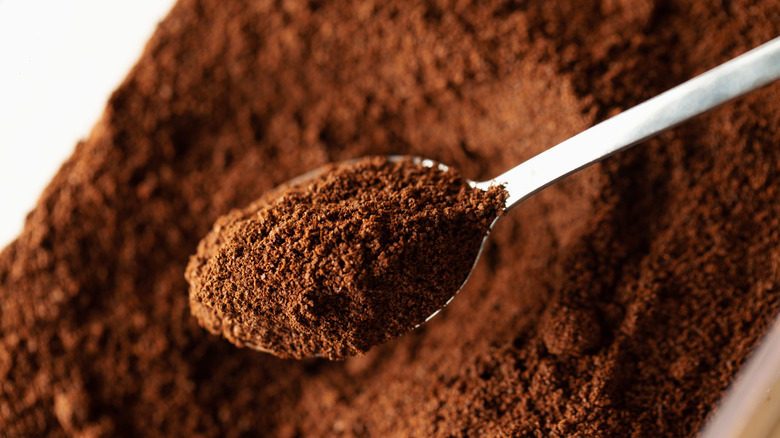
When coffee was rationed during World War II, Americans often brewed their grounds over and over, until they produced barely caffeinated, brown-tinged water. They called it "Roosevelt coffee," after President Franklin Delano Roosevelt, who'd ordered the rationing.
This echoed an old European practice from the 19th century, in which the head of a house brewed his tea or coffee from fresh grounds or leaves, then passed them to staff in the kitchen, who used them to make a weaker brew. And the resourcefulness didn't stop there; some of these servants even sold the exhausted grounds out of the back of the house, to dealers who would dry them out and then resell them. Imagine how disappointed you'd be if you got a great price on some ground coffee, poured boiling water over it, and it didn't even produce any coffee. Today, people repurpose used coffee grounds into products as diverse as odor-fighting socks, yarn, and charcoal-like briquettes.
Brewing coffee from roots and nuts
When people had trouble acquiring legitimate coffee, such as during the American Civil War, they often turned to substitutes that would strike the modern coffee-drinker as puzzling, if not outright disgusting. One durable coffee alternative is dandelion coffee, made from roasted dandelion roots. While it doesn't offer a jolt of caffeine, it does offer a dark-colored beverage to drink. Fans ranging from 19th-century pioneers to modern-day L.A. health food enthusiasts swear it tastes like the real thing.
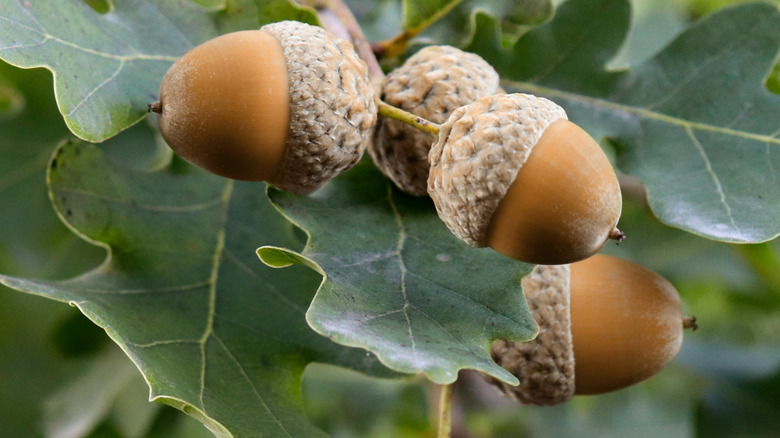
Another popular coffee substitute was acorn coffee, another of several alternatives drank during the American Civil War, when many Confederate soldiers had trouble getting real coffee. Some people still make and drink acorn coffee, but if you're intrigued in trying it yourself, please note that if you simply boil a bunch of acorns, you'll end up with an unpalatable sludge. The acorns have to be dried, shelled, leached of their bitter tannins, dried, roasted, and ground before being brewed. It's a lot of work for a hot drink that doesn't offer anything beyond a coffee-ish taste; like dandelion coffee, it's basically nature's decaf.
Quitting coffee over health scares
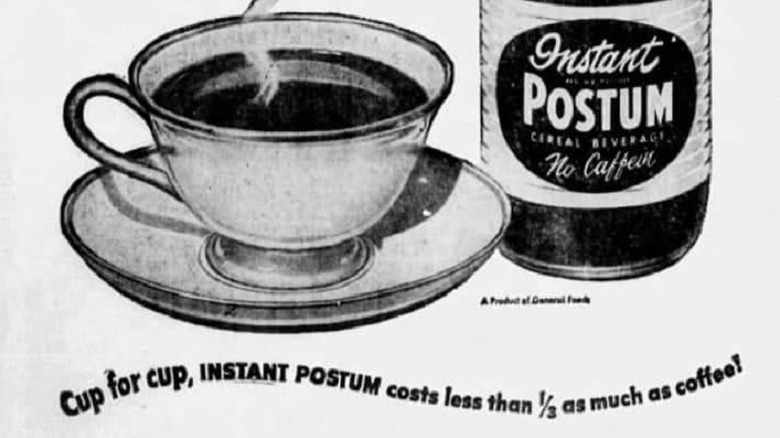
In the late 19th century, some people linked the increasing popularity of coffee with a number of vague health problems. Two early anti-coffee crusaders included cereal makers C.W. Post and John Harvey Kellogg.
In 1891, when Post became ill with what was then called nervous exhaustion or "neurasthenia" (a diagnosis that has since been largely abandoned), he went to Kellogg's sanitarium in Michigan for treatment. Kellogg advised against drinking coffee and tea, and Post eventually recovered after his convalescence. In 1895, Post's cereal company debuted Postum, a caffeine-free hot beverage made of roasted wheat and molasses. In marketing and advertisements, Post claimed that drinking coffee caused conditions like "coffee heart" and "coffee neuralgia," along with blindness, ulcers, poverty, paralysis, indigestion, and brain disintegration. Postum was presented as a safer and more affordable alternative to coffee, and it became hugely popular, making Post wealthy in the process. While coffee clearly won out in the long run, surprisingly, Postum is still being sold today.
Adding salt to coffee
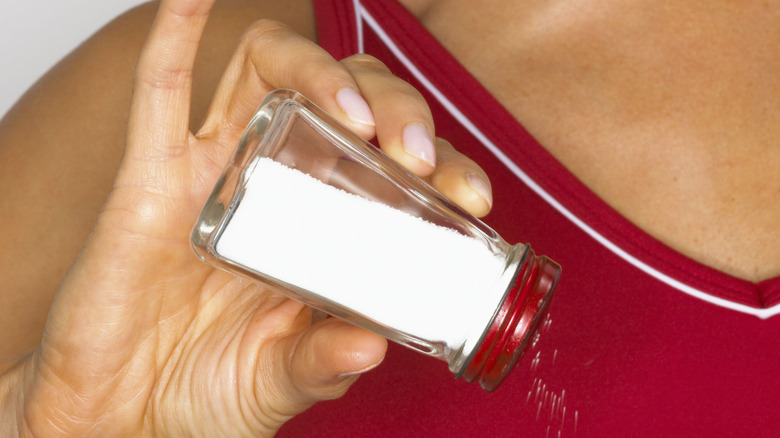
When people had to drink bitter, over-brewed coffee, they found that adding salt to their coffee helped reduce its harsh flavor. While this tradition goes back hundreds of years, it was especially popular in America after World War II. Many American servicemembers drank coffee from pots or percolators that were always brewing and produced very strong, bitter coffee. While sugar and cream were rare luxuries in many places, a little salt could often be found, and soldiers found that it made their coffee a little more palatable.
Adding salt doesn't actually remove or neutralize the bitter compounds (known as bitter tastants) in the coffee. Instead, sodium can reduce our perception of bitterness through interactions with our taste receptors and nervous system. Research suggests that this can happen through a combination of reduced activity in certain bitter taste receptors and changes in how the brain processes different taste signals. In other words, salt doesn't get rid of the compounds responsible for bitterness; it changes how we perceive them, making it more of a "brain hack" than a coffee hack. The salt trick was revived more recently by chef Alton Brown, who advises that a quarter teaspoon of salt for every six tablespoons of coffee grounds will suffice to cover up the bitterness, as well as any unpleasant tastes from the water used for brewing.
Adding lumps of butter to coffee
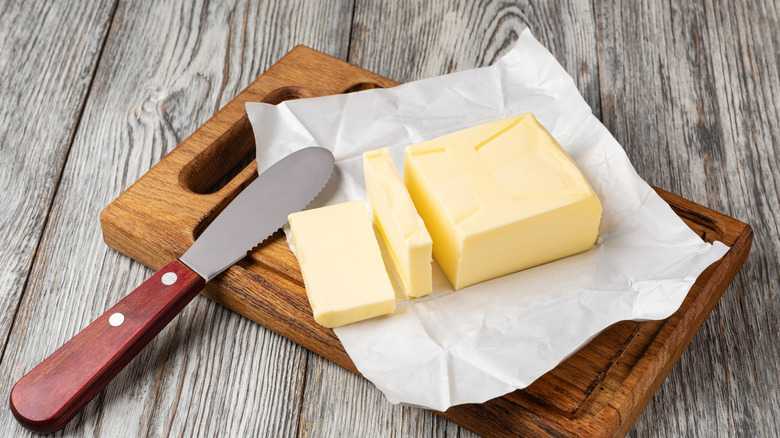
Adding butter to coffee has been pretty trendy for a while now. Adherents call it "bulletproof coffee" and claim it has many nutritional benefits, including increased satiety and concentration. That said, studies have yet to show that it increases cognition any more than regular black coffee. Making butter coffee is simple: just blend a lump of quality butter and some MCT oil into hot coffee — about one tablespoon of butter for an eight-ounce mug. This filling breakfast drink has become especially popular with people on the low-carb or keto diets, since it can provide more fat-only calories in the morning.
But putting butter in coffee is really just a recurrence of an old trend. In the 1930s, adding butter to coffee was very popular in Singapore, where workers considered it a quick, affordable breakfast beverage. Today, butter coffee in the region is produced with a more sophisticated process that involves roasting the beans with butter or margarine, brewing it repeatedly with a cloth filter, then serving it with an additional slab of butter to add to the hot coffee. Often, it also has condensed or evaporated milk added, so you can imagine how creamy a cup of this butter coffee can be.
They used chalky powdered creamer substitutes
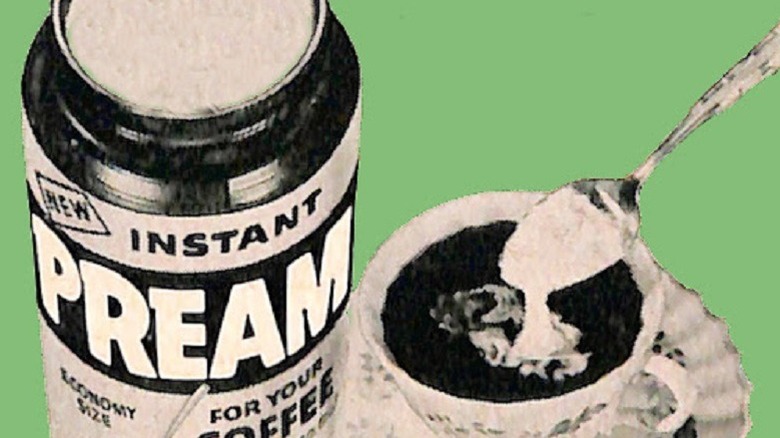
Hard to believe in our era of silky-smooth syrups and liquid creamers, but many Americans used to dump detergent-like powders into their coffee. The military was an early customer for these shelf-stable creamers, supplying soldiers with dehydrated, powdered creamer in their rations. One of the first of these to hit the American market in the early 1950s was "Pream," a chalky white powder made of dehydrated cream that had to be vigorously stirred in your coffee to be fully dissolved, unlike the quick-dissolving powders of today.
About a decade later, Carnation debuted Coffee-mate, a powdered creamer that dissolved much more readily because most of the viscous milk fat had been replaced with vegetable oil. It became a huge seller.
Interestingly, powdered coffee creamer also led to another much-loved consumer product. When a dairy engineer named Charles Sanna invented a process to make dried creamer that would last much longer, the U.S. military gave him a contract to supply troops fighting the Korean War. After the war ended, he was left with a huge surplus of powdered milk, and used it to invent Swiss Miss instant cocoa.