

What Is The Actual Difference Between Culver's And McDonald's Beef?
The world of mainstream fast food has grown rapidly in the last 20 years. Gone are the years of two behemoths dominating the landscape. Now, a global brand like McDonald's faces more intense competition from regional chains that are able to build loyal followings among both locals, transplants, and tourists. One such outlet is Midwest-based Culver's, and when deciding between the two, it can be hard to determine whose beef is really best.
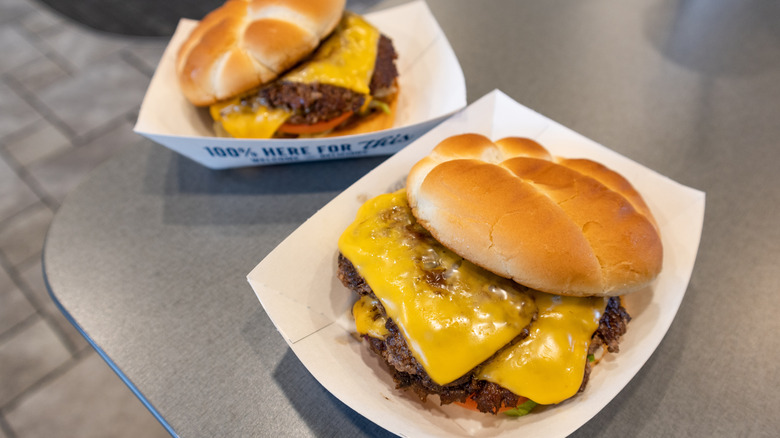
Culver's makes their policy of never using frozen beef part of their marketing, arguing that fresh beef is superior because freezing the meat causes it to lose moisture (this effect is much more noticeable if the meat is frozen slowly and without proper wrapping). The chain makes their patties from a blend of sirloin, chuck, and plate, which gives the burgers a balance of flavor and fat, and they tend to source cattle from in and around their Midwestern service area.
McDonald's uses less definite language when talking about the cuts of beef they use for their burgers. In response to an FAQ on their website, they write, "We use the trimmings of cuts like the chuck, round, and sirloin for our burgers." Whether other cuts make up their burgers is unclear, and using trimmings is common and economical when grinding beef for a large number of consumers.
Culver's burgers versus McDonald's: preparation, supply chain, and more
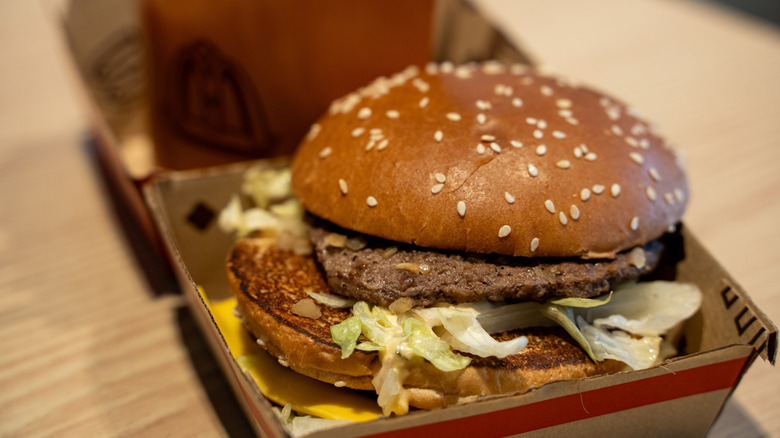
Culver's enjoys a reputation as one of fast food's higher-quality brands, and there are differences in preparation that serve to separate it from McDonald's. For one thing, Culver's burgers are cooked to order and start as balls of ground beef that are pressed into patty shape on the grill. This helps give the patties both a strong sear and crispy, irregular edges. McDonald's burgers aren't pressed, so they're more round and less crispy.
The Culver's marketing team also takes pains to showcase the farmers who help supply their restaurants, even featuring Wisconsin farmers on its website. For a restaurant with a global footprint like McDonald's, the supply chain is much more complex. Their website highlights one specific producer in Oklahoma, and the beef for their Quarter Pounders for restaurants in the contiguous US comes from domestic sources. But there's simply no single source of their beef.
Knowing their high demand and sprawling footprint, certain consumers might also weigh the climate impact of their McDonald's order. Investigations have found beef producers responsible for deforestation of the Amazon Rainforest have supplied McDonald's, Burger King, and major grocery stores. McDonald's has pledged to end the use of beef raised on deforested lands, which is one of the ways beef production drives climate change.