

The Budget-Friendly Ribeye Alternative That Offers Better Flavor And Tenderness
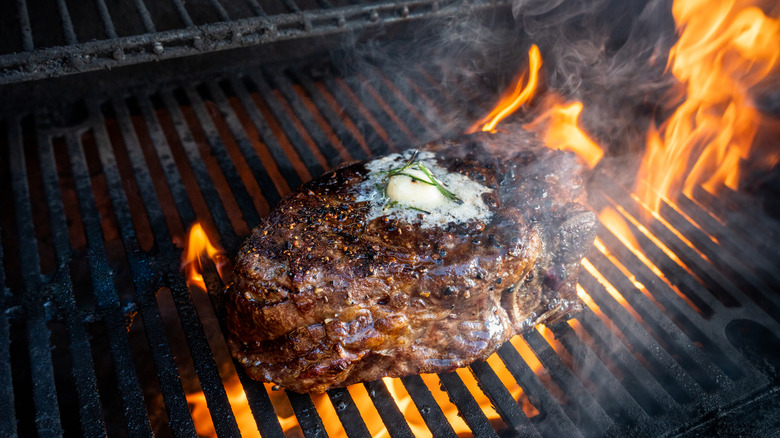
Choosing the right steak is often about balancing the best cut for your cooking method with how much you're willing to spend. While ribeye has long been a favorite for its robust flavor and rich marbling, there's another cut that packs even more beefiness and just as much tenderness for a fraction of the price: the tender flat iron steak.
If you're not familiar with flat iron, it may be because it's often sold under different names, including top blade steak, shoulder top blade steak, top blade filet, butler's steak, and oyster blade steak. The cut comes from the top portion of the chuck, aka the shoulder blade, an area known for producing deeply beefy and meaty cuts. Although it feels like a butcher-shop staple and is now available at most grocery stores, flat iron steak has only been around since the late '90swhen researchers set out to develop and popularize a new beef cut. Enter the flat iron in 2002.
Flat iron stands out among chuck cuts because it delivers the same beefy flavor while remaining juicy and tender without the long cooking times, which many other cuts from this section require. It's one reason chefs such as Andrew Zimmern recommends the cut over filet mignon.
How to get the most out of flat iron steak
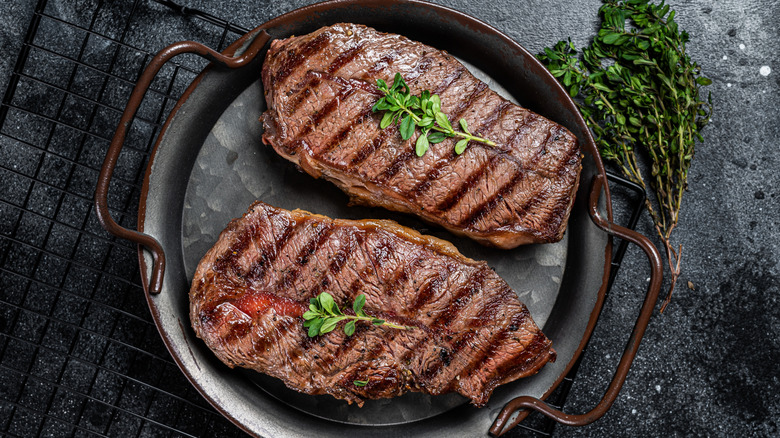
Cooking flat iron steak to perfection is as simple as following a few tips. It works beautifully on the grill, but if the weather isn't cooperating, pan-searing it in a well-seasoned cast-iron skillet is an excellent alternative. Because this cut is so flavorful, it doesn't need much seasoning; a generous sprinkle of salt and freshly ground black pepper is enough. For extra richness, baste the meat with a knob of butter before serving. It also takes a marinade very well.
Regardless of the cut, a few rules will help ensure a perfectly cooked filet every time. You don't need to let the meat sit at room temperature before it hits the pan, but you should pat it dry to remove excess moisture, as steam is the enemy of a good sear. Season it generously with flaky salt and sear on all sides. Remove the steak from the heat when it's a few degrees below your desired doneness, as it will continue to cook while it rests. Resting is arguably the most important step: It prevents the juices from escaping as soon as the beef is sliced. Flat iron steak is best served medium-rare to ensure it stays tender. Finally, always slice steak against the grain. This shortens the muscle fibers, making each bite less chewy.
Go for the full steakhouse experience and serve it with one of several delicious sauces. You can never go wrong with a silky bordelaise or a punchy, herbaceous chimichurri, paired with classic sides such as a wedge salad, creamed spinach, or crispy shoestring fries.