

Which Cocoa Powder Is Best For Homemade Hot Chocolate? An Expert Weighs In
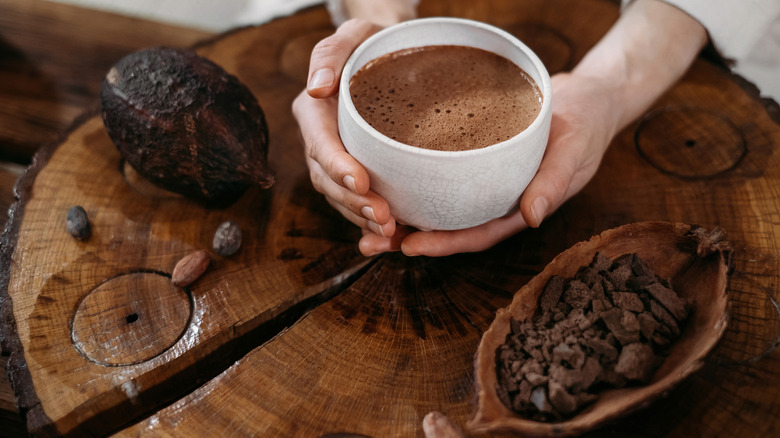
As days turn chilly and winter settles, a cup of homemade hot chocolate can feel cozy, nostalgic, and warming all at the same time. However, what's actually in the cup can make a defining impact on the experience. Simple ingredients such as cocoa powder, milk, and sugar are all you really need — but the type of cocoa matters a lot. Setting faux-chocolate packets aside, you'll basically be deciding between natural cocoa and Dutch-processed cocoa powder for the real-deal hot chocolate.
Though appearing similar on the shelf, each delivers distinctly different flavors, colors, and textures into waiting cups. So which one is better? For some insight on that, we reached out to Nicole Patel, founder of Delysia Chocolatier in Austin, Texas, whose company was recently honored with multiple gold medals in the 2026 Top Chocolate Bar Awards by the International Chocolate Salon. When it comes to hot chocolate, she feels the decision ultimately hinges on what each individual expects.
"The best choice depends on the desired flavor profile, intended application, and overall quality of the cocoa," according to Patel. "Hot chocolate made with natural cocoa powder will generally have a brighter, more pronounced chocolate flavor, with some acidity and potentially more bitterness or fruity notes," she explains. "Dutch-processed cocoa produces a smoother, rounder, mellower chocolate flavor, with less acidity, a darker color, and typically better solubility." Here's a closer look at how those elements play out in your cup.
Natural and Dutch-process cocoa create very different cups
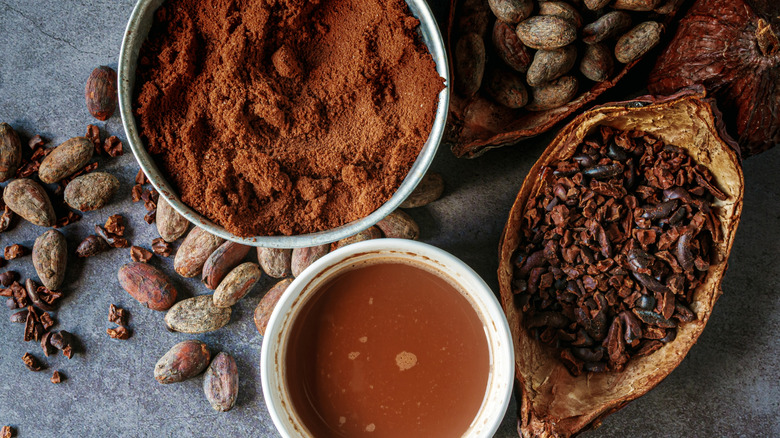
Regarding a common assumption that natural cocoa is better, Patel explains that it's much more nuanced than you might imagine. "I do not necessarily agree that natural cocoa powder is inherently preferable to Dutch-processed cocoa powder, as each offers distinct characteristics and benefits," she says. But she does note that natural cocoa has a nutritional advantage tied to its retention of natural acidity and higher amounts of flavanols and antioxidants. Dutch processing, on the other hand, reduces acidity that "can also significantly reduce flavanol content depending on the degree of alkalization."
From a culinary standpoint, neither of the two options is a hands-down better win when making hot cocoa at home. She does, however, give a nod to one when envisioning classic hot chocolate. "For a traditional, smooth, indulgent hot chocolate, we would generally favor Dutch-processed cocoa," says Patel, "while natural cocoa is a good choice when a more pronounced cocoa character and greater flavanol retention are desired."
What's more important, regardless of the type, is quality. "The best hot chocolate starts with the highest-quality ingredients you can find," she says. "High-quality cocoa offers a richer, more complex flavor, whereas lower-quality products can taste flat, overly bitter, or one-dimensional." She recommends buying cocoa powder made from 100 percent cacao and checking the ingredient list for no sugar, artificial flavors, or unneeded fillers. You can always sweeten to taste later.
Making hot chocolate: Technique matters
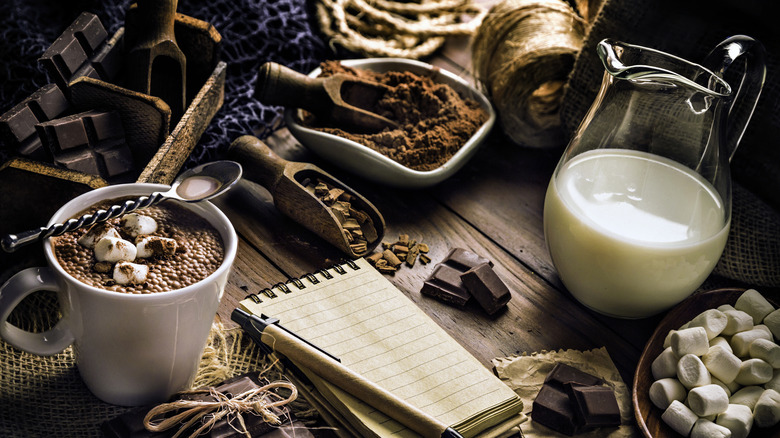
After settling on a specific cocoa powder for winter or year-round hot chocolate, the technique of making it becomes equally important. Fortunately, Patel's biggest piece of advice is simple and uncomplicated. "When it comes to making the perfect cup of hot chocolate, the most important ingredient is patience, so the one thing you should never do is rush the process," she says.
That said, temperature does play a major role in getting the texture just right. "Heating chocolate too aggressively can result in a grainy consistency," Patel explains, "while failing to incorporate the ingredients properly can prevent the drink from developing that smooth, velvety texture." Her approach is to keep things low and slow: "Gently heat the milk on the stove, add the chocolate, and whisk continuously until fully melted and incorporated, taking care not to overheat or scorch the milk."
After that, the process is wide open to personal experimentation. Patel suggests enhancing with cinnamon, a peppermint stick, or freshly whipped cream. The over-21 crowd could also complement the cocoa with a whisky finish. "Even a twist of orange or lemon peel to dark chocolate drinking chocolate can create an indulgent experience," she says. Many cocoa devotees experiment constantly, with coffee fans whipping up a rich mocha drink, and spice lovers sprinkling in everything from cumin to nutmeg, ginger, chili powder, or even cayenne for a fiery kick. For more about spice-enhanced cocoa, check out these 15 spices to elevate hot chocolate.