

Why Your Green Bean Casserole Keeps Turning Watery — And How To Fix It

On the big list of potential holiday dinner disasters, serving a soggy green bean casserole is up there. Green bean casserole is an important part of the traditional American Thanksgiving (or Christmas, or Easter) table. There are definitely ways that it can go wrong but making a perfect green bean casserole is actually easier than you might think.
The classic green bean casserole — invented in 1955 by Dorcas Reilly, a supervisor in the home economics division at the Campbell's test kitchen — was designed to be a simple, affordable, and convenient dish. With only six ingredients in the recipe, it could be thrown together in about a half-hour by pretty much anyone. It remains so popular that estimates say nearly half of all sales of Campbell's cream of mushroom soup today go towards making it. And the biggest mistake home cooks make, which leads to a casserole that's too watery, can be solved every time simply by making sure the green beans are dry before they go into the dish.
No, seriously. It is just that easy. Whether you're using fresh, canned, or frozen green beans, the single most important thing you have to do is make sure the vegetable is dry. Do that, and everything else pretty much takes care of itself.
The problem with your green bean casserole might be that you're trying too hard
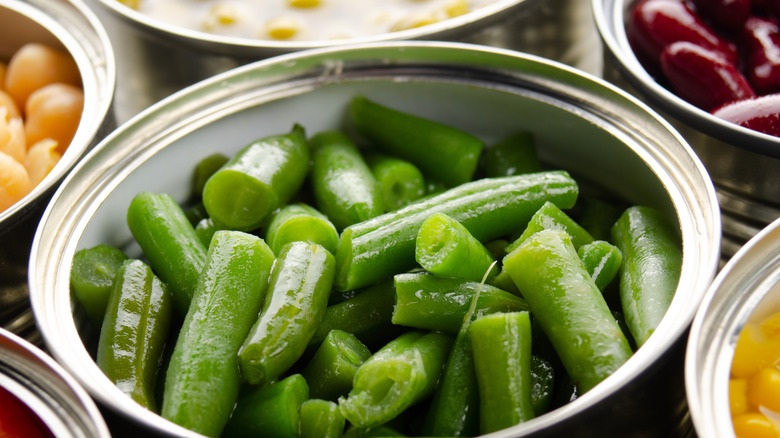
Some people believe the best green bean casserole is made with canned beans, canned soup, and grocery store fried onions. Based on its origin story, this is actually the most traditional way to prepare it, and so much of what makes for a successful green bean casserole is how closely it aligns with memories of the green bean casseroles that came before it. Smooth, warm, and creamy, with the soft beans and rich soup offset by the perfect crunch of fried onions sprinkled on top, that's a green bean casserole the way Dorcas Reilly envisioned it decades ago.
So open the cans, drain those beans completely, rinse them, pat them dry with a paper towel, and move on. You can even spread the beans on a kitchen towel and leave them to dry overnight in the refrigerator. Frozen beans require the same basic prep. Thaw, pat them dry, maybe even give them a little squeeze just to make sure they are dry. If you insist on using fresh beans, just don't forget to shock them in ice water after boiling and make sure they're totally dry after. If the mix looks too watery, you can add a cornstarch slurry or simple roux to thicken it and solve the watery casserole problem before it even starts.