

The 7 Biggest Cocktail Trends Of 2026 (So Far)
We may receive a commission on purchases made from links.
After spending the entirety of my twenties working in bars, I find myself reading every new drink menu I come across like a litigator. This is the eternal curse of the bartender, but it pays off when it comes to spotting new cocktail trends. Remember when it seemed like espresso martinis took over the world in the blink of an eye? Those kinds of trends don't just pop up out of nowhere — they're a direct response to how we're currently dining, sipping, and socializing with each other.
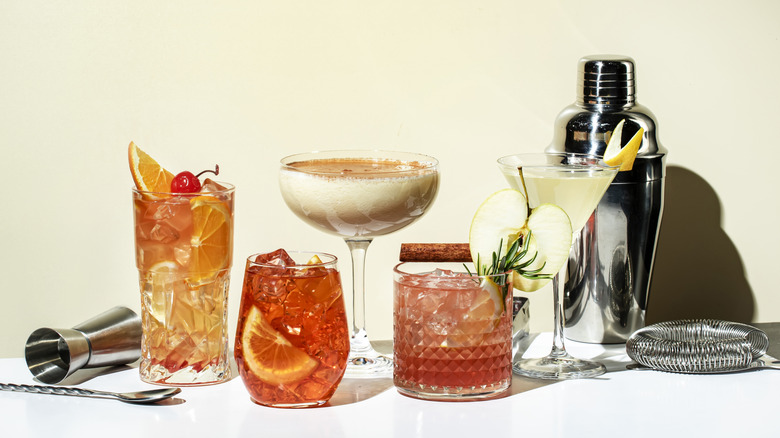
This year, the winds have continued to shift. And whether I've been picking up a bartending shift or getting comfy on a bar stool in NYC, I've had a front-row seat to the industry's biggest cocktail trends of 2026. Some have been around for the past few years, like the shift to a bar culture with far less alcohol involved and a renewed, nostalgic appreciation for classic cocktails. However, folks are increasingly placing their drink orders with more intention, prioritizing connection and community as much as flavor and quality. I've also watched as cocktails have become lighter and spicier, spotted matcha on just about every bar menu, and experienced a lychee martini renaissance. Here are the top seven cocktail trends I've seen take over the cocktail world in 2026 so far.
Low-ABV cocktails are here to stay
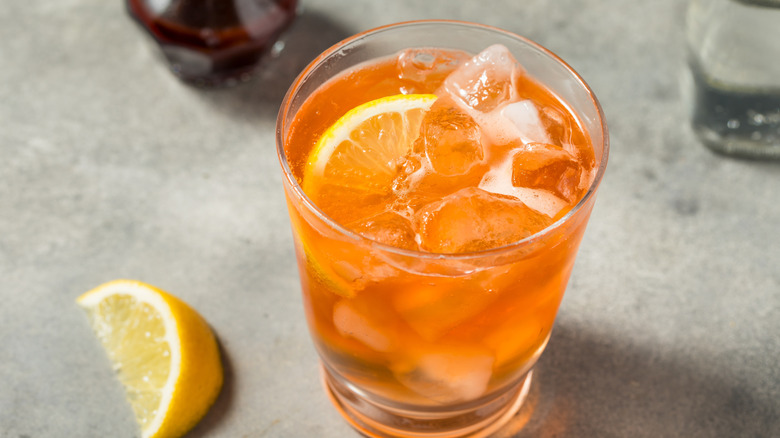
There used to be only a handful of non-alcoholic options at the average bar, if any. Now, we're seeing drink menus with entire pages dedicated to mocktails, non-alcoholic beers, and low-ABV spirits. One of my favorite Brooklyn bars, Rialto Grande, has a whole section devoted to zero-proof cocktails and non-alcoholic aperitifs.
According to a 2026 Gallup report, just 54% of Americans say they drink alcohol — the lowest figure in the pollster's tracking since 1939. As Americans have become more mindful of their drinking habits, low-ABV cocktails have evolved from a passing fad into a longstanding trend. Aperol and Hugo spritzes, easy-drinking wine coolers, and vermouth-based refreshers are letting people sip well into the night without becoming too intoxicated. We seem to have finally pulled away from the normalized, binge-drinking party culture that permeated the 2010s, with younger generations drinking less and less. People are more interested in making it to the end of the night — and actually remembering it — than playing "Edward Forty-hands" and shotgunning beers.
New takes on classic cocktail recipes
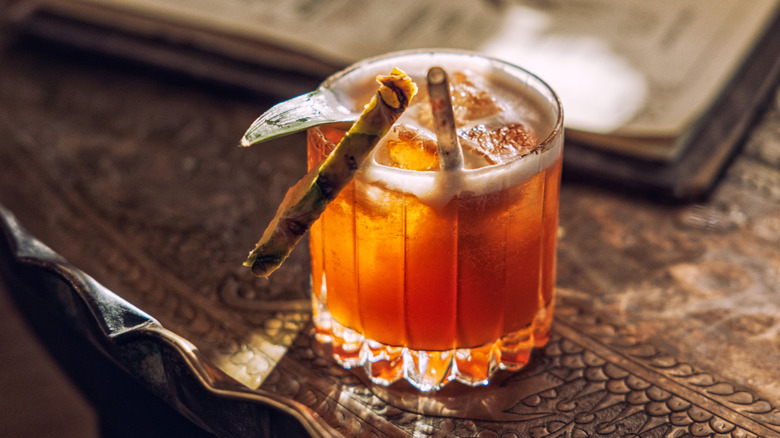
This year, many bars are reeling in cocktail drinkers with the nostalgia of old favorites, then impressing them by adding a unique twist. Bartenders are playing with temperature, texture, flavor, and presentation for a fresh take on tried-and-true recipes.
At Brooklyn's Titán, for example, the seasonal sangrita includes unexpected ingredients like golden beet, chipotle, and coriander. But these new recipes don't have to be overly complicated — sometimes, slightly tweaking a whiskey sour with a splash of pomegranate juice can feel rebellious. Negronis are continually being tweaked with new bitter liqueurs and vermouths. Dante, in the West Village, is currently offering a chocolate negroni, as well as a chamomile Sazerac. Martinis are also being subjected to greater experimentation. Take the cozy East Village bar, Romeo's, whose menu features super fun twists on classic recipes, including a tiramisu espresso martini, alongside an elote old fashioned and a pistachio Mai Tai.
Bartenders are experimenting with globally influenced flavors
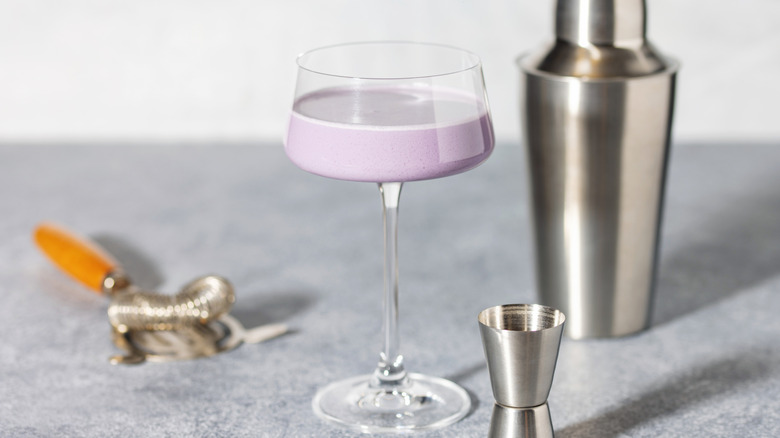
Lately, I'm seeing more and more ingredients on cocktail menus that you previously wouldn't have seen outside of an Asian restaurant or food market. Fragrant yuzu, floral lychee, and earthy matcha are being shaken into cocktails just as often as pineapple or lime juice, and bartenders are experimenting with savory ingredients like miso, sesame, fermented citrus, and seaweed to build complexity into cocktails. NYC bars like Bar Goto, Katana Kitten, and Singlish have helped demonstrate how these flavors and techniques can work in a variety of cocktails. Meanwhile, Superbueno in the East Village is celebrating Mexican-American flavors with a mole negroni and a roasted corn sour.
Distillers are also incorporating these international flavors into their products, making them more accessible to bartenders all over the U.S., not just those in major metropolitan areas. For example, Chareau is an aloe-based liqueur that I've seen many mixologists pair with mezcal, and it seems to be in high demand. As these ingredients become more widely available, globally inspired flavors are becoming a lasting fixture of American cocktail culture.
Ready-to-drink cocktails are dominating the market
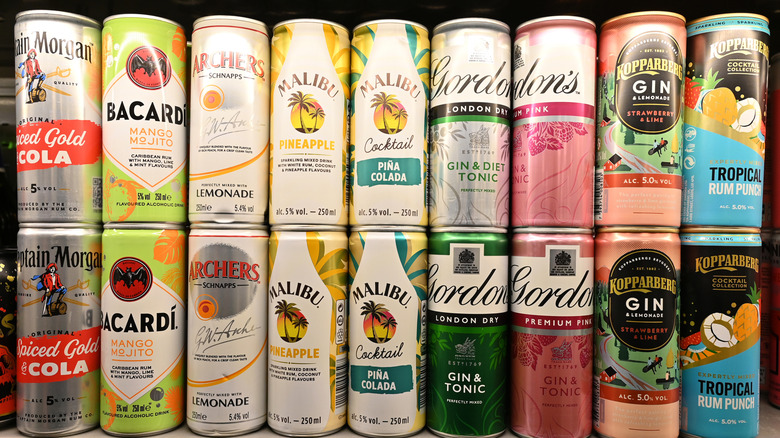
We have far surpassed the days of Four Loko and Smirnoff Ice. The quality and popularity of canned and bottled cocktails have risen so much that these drinks are no longer constrained to your local convenience store fridges — even bars have started to stock them.
It's estimated that spirit-based ready-to-drink (RTD) sales in the U.S. approached 80 million nine-liter cases in 2025 (per Shanken News Daily), and I doubt that number will drop this year. Brand perception seems to be changing, too. Take BuzzBallz — once seen as a low-budget student beverage, it's now the leading brand in the entire premixed cocktail category by dollar sales. Admittedly, as a bartender, I'm far more partial to a freshly made cocktail, but that doesn't mean I can't see the appeal of a well-crafted canned cocktail. They're portable, there's no waiting at the bar, and there's a guarantee of consistency — you always know what you're getting.
Drinkers are putting their trust in the bartender
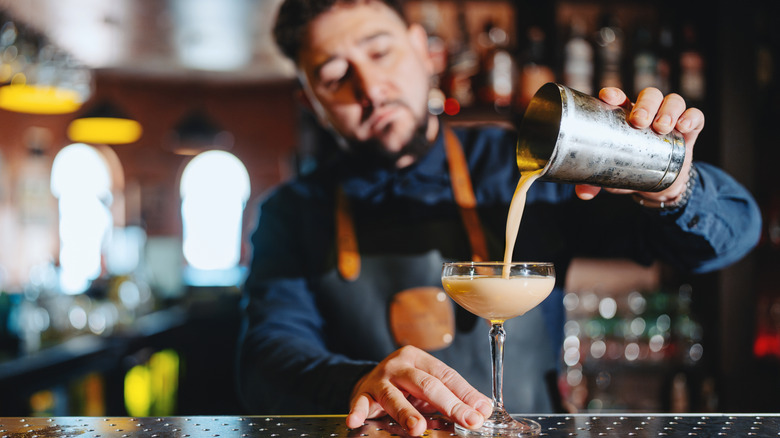
No bartender likes hearing a customer say "surprise me" in a packed bar, but it's a different story when that's the bar's whole mantra. Imagine liking tequila, hating overly sweet drinks, and wanting something herbal and refreshing. At a menu-less bar, instead of deciphering a cocktail menu, you can tell the bartender what you like and let them come up with something that fits.
This year, I've noticed a growing number of menu-less bars making the interaction with the bartender a central part of the drinking experience. Customers are waiting hours in line just to get a surprise cocktail at Attaboy, a New York City institution where they can describe the flavors, ingredients, or mood they're after, and let the bartender run wild. The experience doesn't have to end with the recipe, either. Thoughtful glassware, aromatic garnishes, tableside flourishes, and unexpected textures can make the act of receiving a cocktail feel like part of the entertainment. Ultimately, drinkers want something they couldn't whip up at home or order through a delivery app.
Bars are leaning into local traditions and storytelling
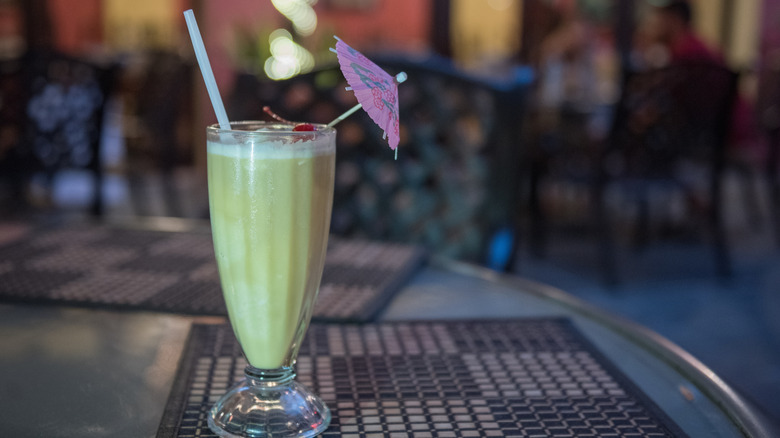
An inventive flavor combination will momentarily catch my attention, but a great story can make me remember a cocktail long after I've finished sipping it. In 2026, I've seen multiple bars and beverage brands take increasingly creative approaches to give drinks a more personal element by drawing on nostalgia, art, family histories, and life experiences.
Chicago's Meadowlark offers a particularly charming example with its "Composition Book" menu, which turns childhood memories into cocktails named after experiences, like Recess, Ice Cream Truck, and Saturday Morning Cartoons. In Dallas, Midnight Rambler has called back to '90s malls with riffs on the Orange Julius and ramen noodle-inspired cocktails containing furikake and citrus yolk.
Meanwhile, bars across the U.S. have been creating clever cocktail offerings tied to current events, viral sensations, and pop culture. For example, during the Knicks' epic season, nearly every bar in NYC was pulling out projectors to show the game while running tie-in drink specials. The sense of camaraderie continued into the summer with the men's World Cup, co-hosted by the U.S., Canada, and Mexico. It all links back into an emphasis on community and a desire to be a part of something together.
Mixologists are taking a culinary-influenced, farm-to-table approach to cocktails
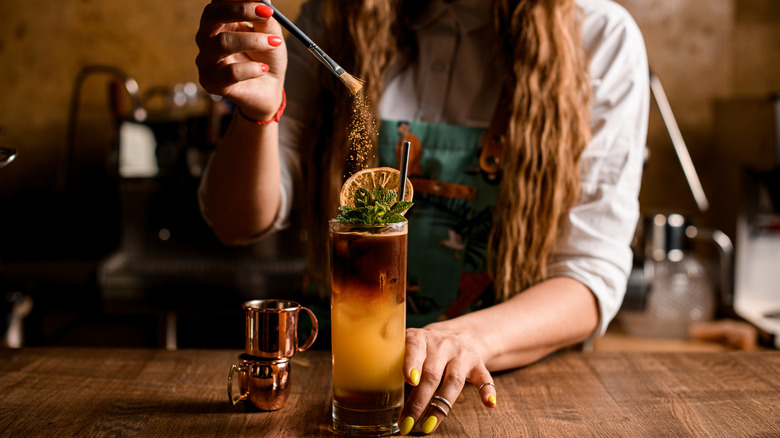
The farm-to-table philosophy has transformed how many of us think about food and dining out, and it's started to take hold behind the bar. Cocktail programs are borrowing techniques and ingredients from the kitchen, building drinks around what's growing nearby, and taking a no-waste approach to making cocktails.
I'm seeing teams at restaurant bars work with their pastry chefs to turn leftover bergamot and blood orange peels into limoncello that lasts into spring, or drop surplus farmers market serrano peppers into tequila instead of composting them. Bars are keeping it local with fruity bourbon smashes that embrace seasonal berries. Some are adding house-made kombuchas and hot sauces right into their shakers.
Take Field Day in Philadelphia, which was opened by Danny Childs, a James Beard Award-winning bartender and author of "Slow Drinks." His menu embraces preservation traditions with some of the most unique cocktails I've ever seen, like clarified cream cola made with fig leaf and clarified milk, or the umami martini with fermented tomatoes. At bars like this, techniques such as fat-washing, milk clarification, fermentation, and infusion are more than clever cocktail tricks — they're a great way to extend the season's harvest.