

5 Disadvantages Of Wooden Cutting Boards
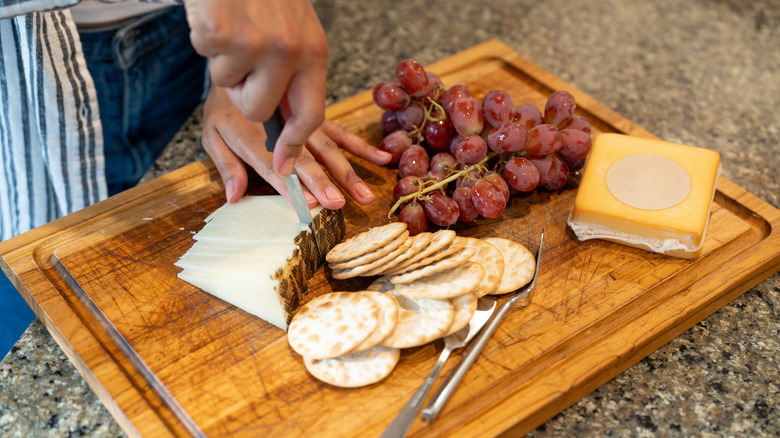
A good wooden cutting board can be one of the most attractive, cherished, and useful tools in everyday kitchens, often earning a cozy spot on the counter 24 hours a day. Genuine wood is sturdy enough for serious chopping, generally easy on knife edges, and available in everything from lightweight boards to heavy-duty butcher blocks lasting for years. That said, wooden cutting boards do involve considerably more commitment than cheap, utilitarian plastic versions.
Those natural wooden beauties, frequently made from earthy maple, walnut, acacia, teak, and beech woods, require regular conditioning and careful washing and drying. Plus, you'll need to mitigate the effects of stains, odors, and surface wear. Some are even hefty enough to feel inconvenient during busy meal preps. None of these issues necessarily outweigh the benefits of wood in a kitchen environment, especially if you value a substantial chopping setup for large dinners or veggie-centric dishes. But they do mean that a wooden board isn't a wash-it-and-forget-it tool in your kitchen arsenal.
Before investing in one, especially a large, expensive brand, it helps to understand what owning one actually involves. Following is a deeper look at five disadvantages of wooden cutting boards, ones that may — or may not — sway your intentions.
Wooden cutting boards need regular oiling and maintenance
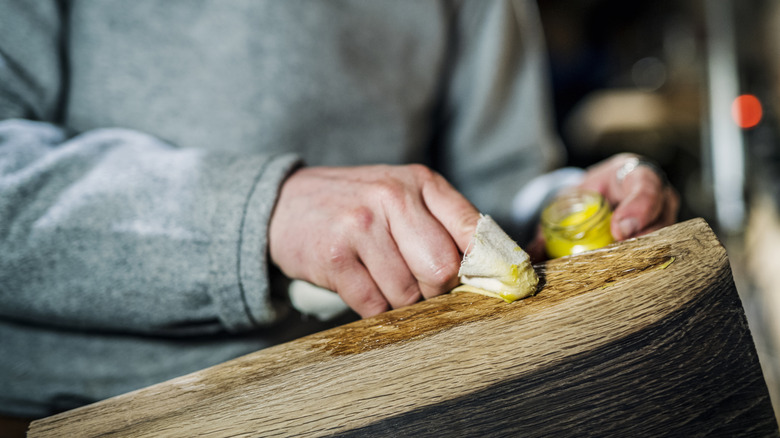
Most plastic cutting boards don't get a second thought between washings, while genuine wood needs a bit more attention. As wooden cutting boards get wet and dried, over and over again, the wood can eventually crack or splinter. That's why food-safe mineral oil enters the picture. Applying it periodically helps condition the wood and reduce the chance of it drying and cracking.
How often that needs to happen depends on things like your climate, the specific type of wood, and how often you use the board. Many makers recommend applying oil or wood conditioners at least once a month. There's some technique involved as well: The wood must be clean and completely dry before conditioning, and the oil needs to cover the entire surface of the board, not just parts that look worn or dry. It helps to understand how to season a wooden cutting board.
Using regular vegetable, olive, or other cooking oils may seem fine — but they're definitely not. Rubbing them all over a wooden cutting board can cause rancid odors inside the wood. You'll instead need specific food-grade oils, or even more costly, a product made specifically for cutting boards. These maintenance needs are worthy time investments if cutting boards are highly valued in your kitchen life; just be aware that it's an ongoing chore you wouldn't necessarily have with other cutting-board materials.
Too much moisture can make them warp, crack, or split
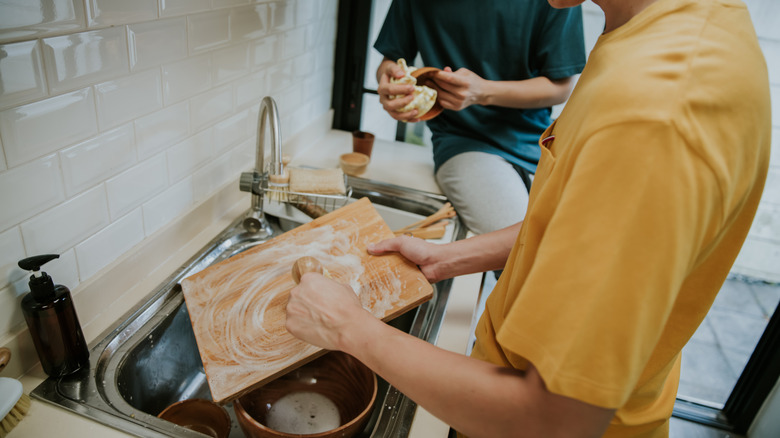
Just as wooden cutting boards tend to crack after getting dried out, they can also warp or split after too much water exposure. That's why washing takes some extra care. Unlike cutting boards made with other materials, you can't just slide a wooden one into a sink full of dishes, leave it to soak, and come back later to finish up.
Many wooden versions require hand-washing with warm, soapy water, then rinsing and drying right away. Unless specified otherwise by the manufacturer, dishwashers are a no-go, since excessive heat and water can damage the wood. The drying process matters almost as much as the washing. After towel-drying the surface of the wood, allowing air to circulate around the board can help any leftover moisture evaporate evenly. Rather than leaving a damp board lying flat, you would ideally stand the board upright while it finishes thoroughly drying. This can keep the wood from warping or curving.
Admittedly, these things are not rocket science, and they're not back-breaking chores. But compared to plopping a plastic cutting board into a dishwasher and walking away, cleaning wooden boards does take considerably more effort. One forgotten soak in the sink could cause a whole lot of damage. Though some pricier types of wooden cutting boards are worth splurging on, you'll be paying over and over again in spent time and maintenance.
Wooden boards potentially develop stains, lingering odors, and bacteria build-up
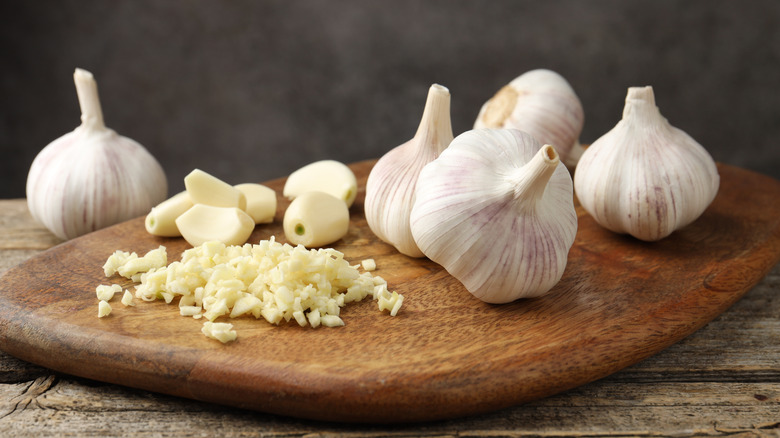
Since a cutting board spends much of its life beneath messy, strongly flavored foods, keeping a wooden board in pristine condition can be challenging. Unlike glass or many plastics, wood is porous, thus harder to clean. And certain foods potentially leave behind lingering odors and unsightly stains. For example, highly pigmented foods can discolor the surface, while ingredients such as garlic, onions, fish, or strong seasonings tend to leave accumulating smells in their wake.
The potential for bacteria buildup on wooden cutting boards gets a lot of attention, especially when chopping or trimming raw meats and seafood. But the USDA indicates that it's okay to use wooden boards when cutting these foods, as long as the board is properly cleaned and dried. But it also recommends avoiding cross-contamination by using separate boards for uncooked meats, poultry, and seafood versus foods that don't get cooked after chopping or slicing. That could include things like breads, nuts, citrus, and produce.
So, when choosing wooden boards for your kitchen, remember this: You'll need to have two separate boards on hand, keep them properly cleaned and maintained, and find readily accessible storage space to quickly grab each board as needed.
Knife grooves and wear may mean extra upkeep
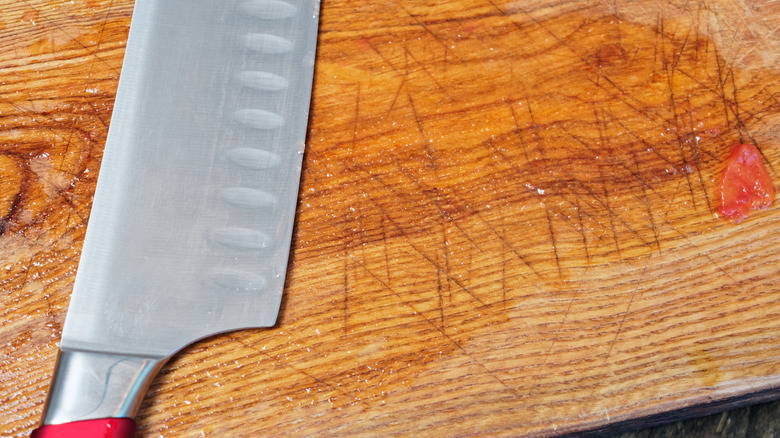
Trusty cutting boards routinely protect expensive countertops, taking the punishment from sharp knives and pounding food prep. It's a given that wear-and-tear will happen, with even the sturdiest wooden board collecting knife marks, scratches, and well-earned grooves. While a few superficial marks matter mostly on a cosmetic level, deeper grooves are another thing altogether.
Once excessive wear and deep grooves appear on a wooden board, a thorough cleaning becomes very difficult — and it's likely time to replace it with a new one. That's true for plastic boards as well, but your replacement cost for a new wooden board will likely be higher. That said, wood does have one advantage here: Depending on the construction and how much damage has occurred, you might be able to refresh a wood surface instead of completely discarding the board. Obviously, more time and sweat equity are required to do that.
You'll need to lightly sand the board, remove the dust that it creates, and then recondition the dry wood with mineral or food-grade oil. Even this provides no guarantees: Deep cracks and other types of structural damage could mean the useful life of your board has sadly come to an end. The takeaway from all this is simple: If you prefer a smooth, showroom-ready chopping board, then natural wood may require more attention than you're ready to give.
Large wooden cutting boards can be heavy and cumbersome
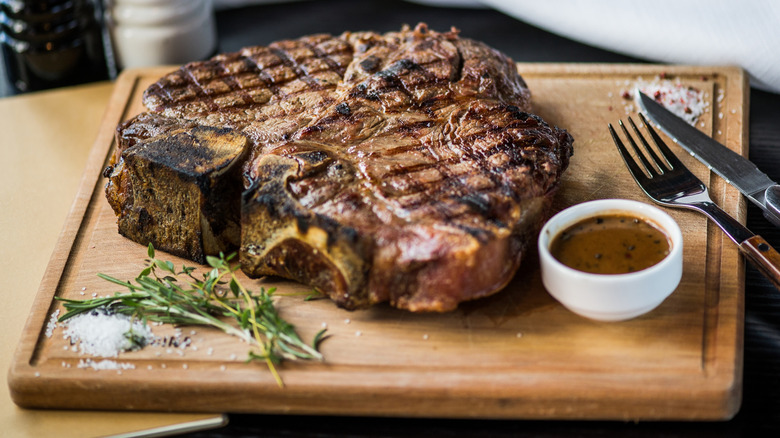
One of the selling points of a solid, substantial wooden cutting board can also become one of its biggest annoyances: You'll feel that extra bulk and weight when carrying the board across the kitchen, maneuvering into a sink, washing both sides, or lifting it into a cabinet. The thickest wooden boards can be way heavier than you imagine.
For example, one currently available maple cutting board from Boos, measuring 18-by-12 inches with a thickness of 1.5 inches, weighs about 10 pounds. Even larger versions of the same board reach a remarkable 18 pounds. When moving into wooden butcher-block-style territory, the numbers shoot way up: A 24-by-18-inch maple board with carved juice grooves, metal handles, and 2.25-inch thickness weighs about 30 pounds.
All that mass has benefits, with heavy boards feeling more solid under a knife and less likely to slide around while chopping compared to a light board. But the bulk and stability aren't quite so charming when balancing the board on a drying rack or shoving it into a standard-size cabinet. It soon becomes a contender for permanent countertop storage — easy for anyone with generous space, not so much in compact kitchens. These drawbacks are merely considerations before bringing natural wood boards into your cooking world. Proceeding with awareness makes for happy chefs and happy meals.