

Aioli Vs Mayo: What's The Difference
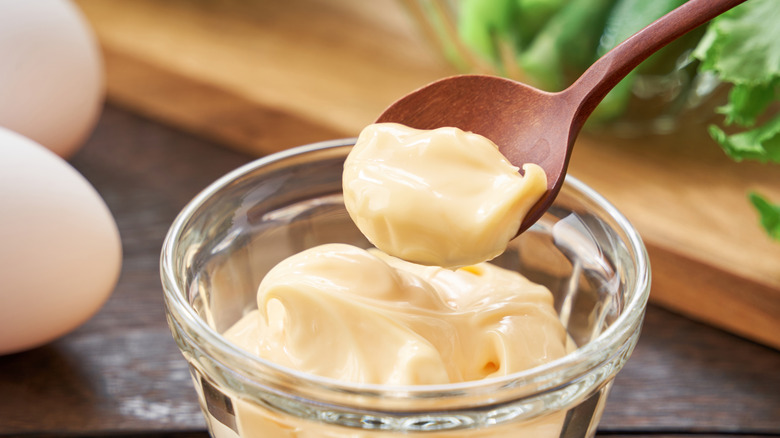
At first glance, aioli and mayonnaise can be hard to tell apart. Both arrive at the table as smooth, ivory-toned condiments, and both work beautifully as sandwich and burger spreads, dipping sauces, or components in cold, creamy salads. Don't let their twin-like appearance fool you, however. Traditional aioli and mayonnaise are different in notable ways.
In the U.S., mayo has an identity established by the Code of Federal Regulations: It's an emulsified condiment made with vegetable oil, an acidic ingredient such as vinegar or lemon or lime juice, and an egg-yolk-containing ingredient. It must have at least 65% vegetable oil by weight. That combination is what gives mayo its familiar, well-loved velvety texture and mild tang.
There's some confusion over aioli, as most American-made versions are far from the genuine French-style aioli condiment. Compared to mayonnaise, traditional aioli is made from emulsified garlic, lemon juice, and extra-virgin olive oil. Some recipes add egg yolk to help with the emulsification. Still, given the core distinctions, each condiment is incorporated into meals differently.
Mayonnaise is mild, tangy, and extraordinarily versatile
A version of mayonnaise is widely believed to have originated with Egyptians and Romans in the 1800s, with some later enhancements by French chefs to become today's richer, more complex version. Making it starts with the emulsion, during which the vegetable oil and other core ingredients get transformed into a stable, creamy mixture. Egg yolks hold it together, while vinegar or citrus juice adds acidity. Under the federal definition, mayo can also have ingredients like salt, sweeteners, spices, and natural flavorings.
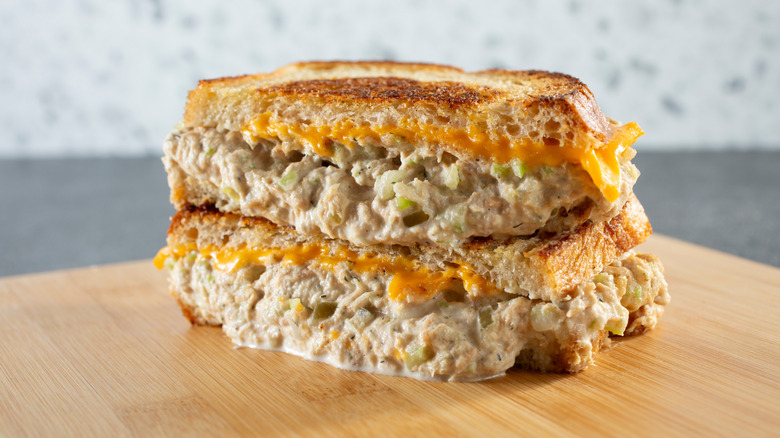
A basic mayonnaise is fairly neutral, but commercial brands often put their own defining twists: Some taste sharper and more vinegary, while others lean sweeter, richer, or have a more egg-forward persona. Regardless, mayonnaise is one of the most common condiments in the U.S., supporting a wide range of food combinations. The light richness makes a smooth spread for sandwiches and burgers, while its silky consistency blends well into deviled egg recipes, tuna melts, and cold salads, including potato, chicken, and seafood salads.
Mayo can also be the springboard for other sauces, dressings, and flavored spreads, especially when adding defining ingredients such as garlic, herbs, mustard, hot sauce, pickles, or spices. The texture of mayo is another important part of its versatility in the food universe. The thick consistency, combined with spreadability, gives extra body to dips and dressings, lets it cling to bread, and holds together salad ingredients. Even more significant is the unassuming nature of mayonnaise, which rarely overpowers the dishes it supports.
Aioli puts garlic and olive oil front and center
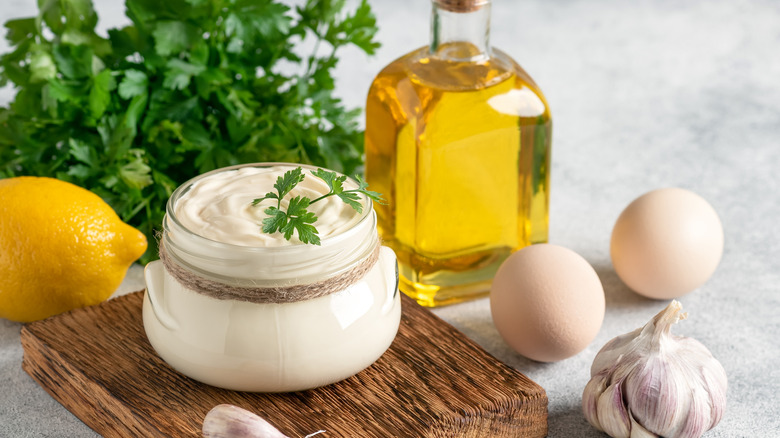
Traditional aioli (not the Americanized version) brings a much more punchy personality to the party. Garlic isn't merely an also-ran component; it's central to the entire sauce. Preparations vary by region and family recipes, particularly in Mediterranean regions of France, Italy, and Spain. But a classic example is to crush garlic cloves and salt into a smooth paste with a mortar and pestle, incorporate egg yolks, then gradually add extra-virgin olive oil until the mixture thickens. This results in a slightly more rustic, dense, and grainy texture, plus a subtly darker coloration, than mayonnaise.
Today, you can still make aioli with traditional ingredients but avoid the mortar and pestle approach. Try making it with a hand whisk, immersion blender, or food processor. You end up with a saucy spread accentuated by a garlicky bite and the fruity or peppery character of your chosen olive oil. The result is a lot bolder than standard mayonnaise, and that stronger flavor makes aioli especially compatible with substantial foods. Try serving it with grilled fish and meats, roasted or boiled vegetables, potatoes, seafood, or crusty bread for dipping.
Aioli also adds a pungent kick to ordinary sandwiches and works as a rich, savory dip for French fries, grilled cheese sandwiches, paninis, or quesadillas. Aioli is less of a background player than mayonnaise, more likely to steal the show with sassy panache. For a deeper look, check out Tasting Table's dive into everything you need to know about aioli.