

5 Of The Best Wines Of 2026, So Far
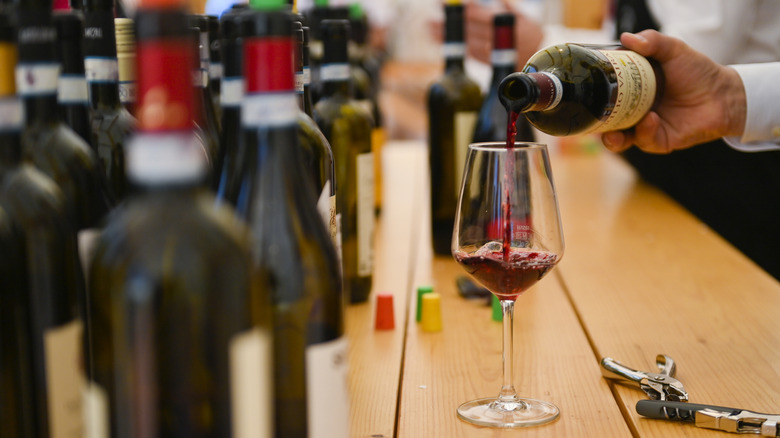
Wine preferences can be as personal as shoe sizes and online dating, so one person's love of big, bold California cabernet sauvignons can be another oneophile's worst enemy. I myself tend to judge an entire restaurant by their wine list before even looking at the appetizers, but not everyone wants to spend 30 minutes navigating the wine list at a steakhouse. Given how polarizing some varietals and vintages can be, I specifically picked out wines that I felt were crowd-pleasers and porch pounders. Nothing on this list is too funky or weird or bold — not that there's anything wrong with those styles.
These five picks are based on wine experts' tasting notes and ratings, wine shop commentary, personal experience, and social media reviews. What they all have in common are interesting backstories, producers, and winemaking styles. If 2026 has proved anything, it's that the most interesting bottles aren't necessarily coming from the biggest producers or the most recognizable labels. I also kept an eye out for women-led wineries and small, independent producers that might otherwise be overlooked. From biodynamically farmed wines to low-intervention bottlings to ancient aging practices from the Neolithic Period, these are five releases that bring fresh perspectives, terroirs, and tastes.
French Flair L'Élégant Sancerre
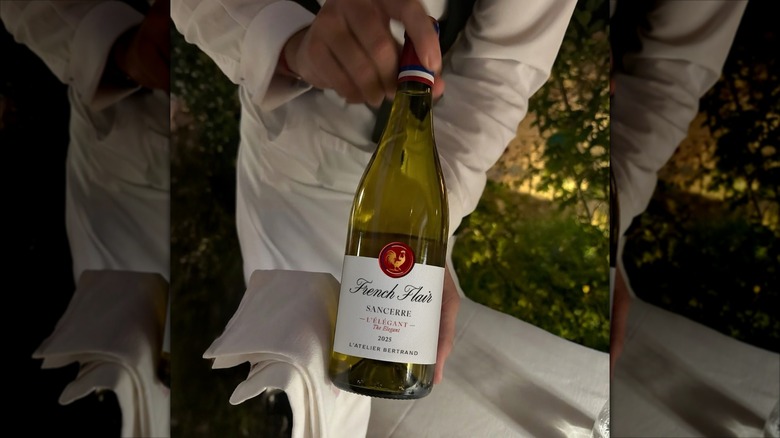
Sancerre has been having a moment in the States, but the French have been fans of it for decades. The latest project from acclaimed French winemaker Gérard Bertrand was introduced this year in the form of French Flair, a 10-wine collection designed to make France's famous appellations (wine regions) a little more approachable and less intimidating. L'Élégant is the collection's Sancerre, made from sauvignon blanc grapes grown in the Loire Valley.
If you've never had Sancerre before, this is a textbook example to try. The Loire Valley's limestone and flint-rich soil contributes its signature minerality while the grapes provide acidity and citrusy freshness for balance. Wine Enthusiast recently rated the wine 90 out of 100, noting its delicate floral notes and aroma of white peach and lemon peel. At $45 it's not cheap, but good Sancerre wines aren't exactly known for landing in the bargain bin. It was also one of our top picks for new sauvignon blanc wines to try this year, if you needed a third opinion.
2024 Filipa Pato Post Quercus Baga Bairrada
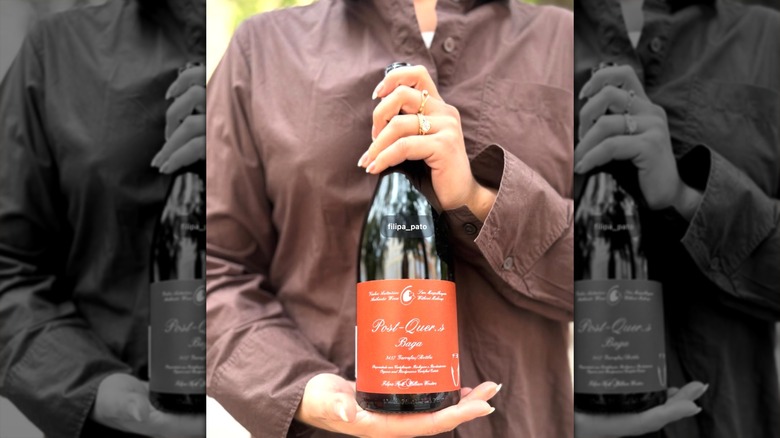
Winemaker Filipa Pato is a wine world celebrity. She grew up with a legendary winemaking father, Luis Pato, and chose to forge her own path on her biodynamic farm in Portugal with 80-year-old vineyards. As one of the most prominent proponents of biodynamic and low-intervention winemaking, she focuses on using the indigenous Portuguese grape, baga, which is known for its acidity and tannic structure.
Most intriguingly, the name of the wine, Post Quercus" (after oak), refers to her decision to make the wine entirely without oak barrels. Instead, Pato aged it in clay amphorae, inspired by the Romans who left many of these storage jars in the region thousands of years ago. Folks who are turned off by overly oaky wines would do well to try this young red with soft tannins and scents of red stone fruit. While not as well-known as France, Portugal boasts its own distinct wine regions, and Pato's region, Bairrada, is known for having some of the oldest vineyards in the country.
Lewis Wines Salt Lick Sangiovese
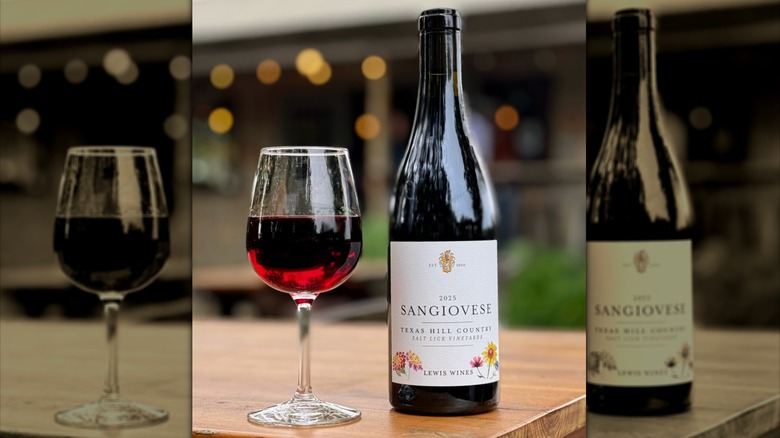
Leave it to Texas to tackle an oh-so-Italian wine and succeed. Lewis Wines is a picturesque winery in the Hill Country founded by two college buddies who wanted to make world-class wines using Texas grapes. The Salt Lick Sangiovese is a collaboration between Lewis Wines and The Salt Lick, one of the absolute best barbecue restaurants in Texas. When The Salt Lick isn't busy smoking beef brisket and pork ribs it grows grapes right next door to the restaurant, and it has its own line of wines as well.
I particularly love its lower ABV (just 10.5%), which makes it super light and refreshing even on the hottest of Texas summer days. In fact, I found the whole operation so delightful that I chose to spend my 40th birthday there. Lest you think the Lone Star State has no business trying to compete with Italy, our beginner's guide to Texas wine notes that Spanish missionaries planted vineyards in the state as far back as 1662, a full century before a separate group of Spanish missionaries would plant the first vineyards in California.
Karas Reserve Areni-Sireni 2023
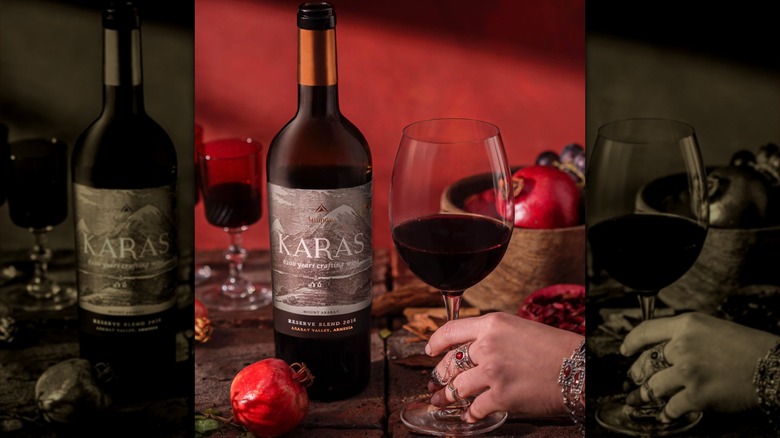
Armenia is often overlooked when it comes to great wine, which is why this producer was one of our picks for the most underrated red wines worth trying. Produced and hand-harvested in the Ararat Valley, the red blend combines 60% areni and 40% sireni grapes, two indigenous grapes with deep roots in Armenian winemaking. After being fermented in stainless steel, the two grapes go on separate journeys. The sireni heads off to spend six months in Armenian oak while the areni is aged in clay amphorae (the ancient clay vessels seem to be making quite the comeback these days).
When the grapes are rejoined, the wine has both the earthy character from the clay as well as the structure and spice from the oak. The result is a dry, medium-bodied red wine with fresh acidity and rounded tannins, making it an excellent pairing for grilled meats like steak or lamb. It's also received serious critical attention: Wine Advocate awarded the vintage a whopping 93 points, and Karas Wines was recently nominated for 2026 New World Winery of the Year by Wine Enthusiast.
Santa Julia La Mantis Natural Pét-Nat
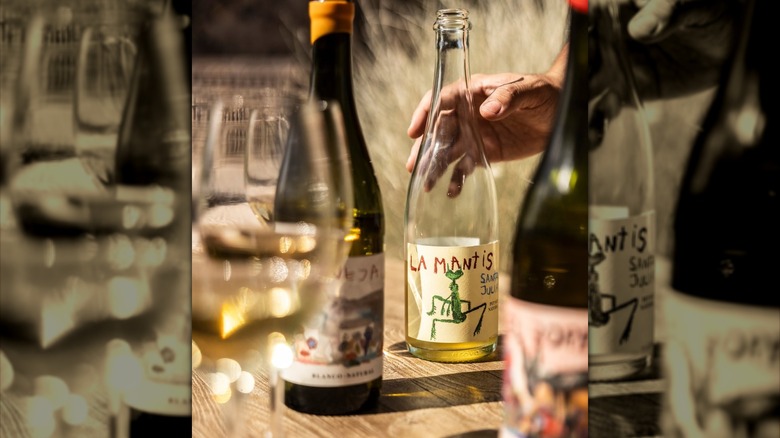
We must end this list with a bit of sparkle. This organic Argentinian wine is made from 100% chardonnay grapes and is produced using the traditional pétillant naturel method (often called pét- nat for short). While this fermentation method is certainly trendy right now, pét-nat wines actually came before Champagne or prosecco thanks to some 16th-century monks in the south of France.
The wine is neither clarified nor filtered, so it will have a hazy, golden color. The result is decidedly different from a more polished sparkling wine and boasts fragrant floral notes along with some creamy bubbles. These aren't the kind of precious bubbles you need to save for a special occasion, so it's perfect for popping open on a Friday. Critics also love it: Wine Enthusiast recently gave it 90 points and named it as one of its top sparkling wines for 2026, which makes its $25 price point even more spectacular. And while we don't always recommend buying a bottle just for its label, the praying mantis illustration is pretty delightful.