

This Is Why Scotch Costs More Than Bourbon
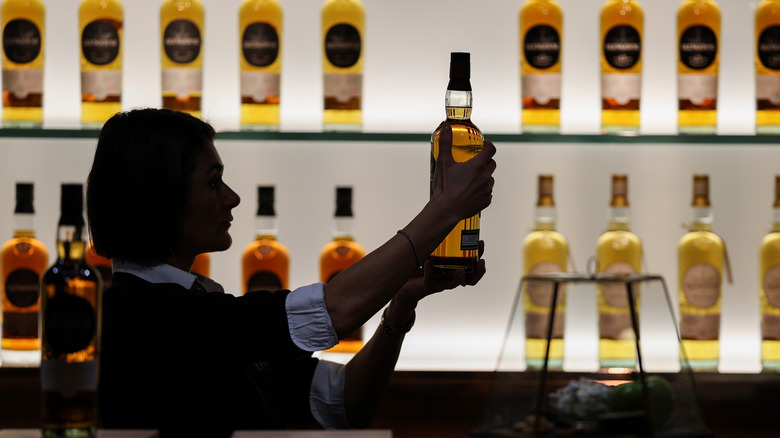
While the most expensive bottle of bourbon ever sold, a 20-year-old Old Rip Van Winkle, collected a cool $162,500 earlier this year, one of the most expensive bottles of Scotch ever sold was a 60-year-old Macallan Valerio Adami 1926, selling for $2.7 million in 2023. While this is at the tippy-top of the range, high-volume sales bottles and accessible premium options also reflect this price difference. Aside from perceived value, this is mainly due to higher production costs and the import fees and taxes that raise the price of Scotch.
By law, single malt Scotch whisky can only be made batch-by-batch with more labour, time, and cost-hungry pot stills. This law doesn't apply to bourbons, and many (but not all) are made with cheaper-to-run column stills that can produce spirits continuously. While some Scotch blends can be made with column stills, even entry-level single malts factor this extra processing cost in. Similarly, single malt Scotch can only be made using malted barley, while bourbon must, by definition, be made from at least 51% corn, which is cheaper to use and allows relative freedom across the rest of the mash bill.
The cost of storage, time investment, and gradual loss of volume to the "angel's share" means time in barrel equals money spent. All Scotch whiskies must spend a minimum of three years in barrel (versus two years minimum for "straight" bourbons), but most premium Scotches are aged for 12 years or more. In contrast, most top-shelf bourbons are aged for four to eight years, costing less from start to finish.
Importing Scotch adds significant cost
Taxes and import costs are also significant factors that increase the price of Scotch. Even though the previous 10% tariff for all U.K. imports was removed for the spirit in July 2026, this won't reduce the prices we see on shelves until retailers in the U.S. have made back their sunk tariff costs, which can take years to realize. Even when import tariffs are lowered or removed, costs compound over the lifecycle of imported Scotch, from shipping and freighting costs and insurance, customs clearance fees, federal excise tax, interstate levies or excises, and finally, the profit margins imposed by American importers, distributors, and retailers. The Scotch price you see on shelves as of September 2026 is likely still weighted by previous duties, taxes, tariffs, and import costs, while bourbon only collects domestic costs of federal and state excise taxes, distribution, and profit margins. Notably, Kentucky bourbon distillers have had to pay a "barrel tax" for every year whiskey sits in barrels, but this is now being phased out over a 20-year period, which started in 2023.
These many factors manifest in higher prices for Scotch bottles across price tiers. For example, the world's highest volume sales bourbon, Jim Beam Kentucky Straight Bourbon Whiskey, goes for around $7 less per bottle than the world's best selling Scotch, Johnnie Walker Red Label. Moving into a higher quality price tier, Scotches and bourbons of comparable quality continue the trend, with Glenfiddich 12 Year Old Single Malt costing about $12 more per bottle than Woodford Reserve Distiller's Select.