

5 Disadvantages Of Using A Gas Grill In Cold Weather
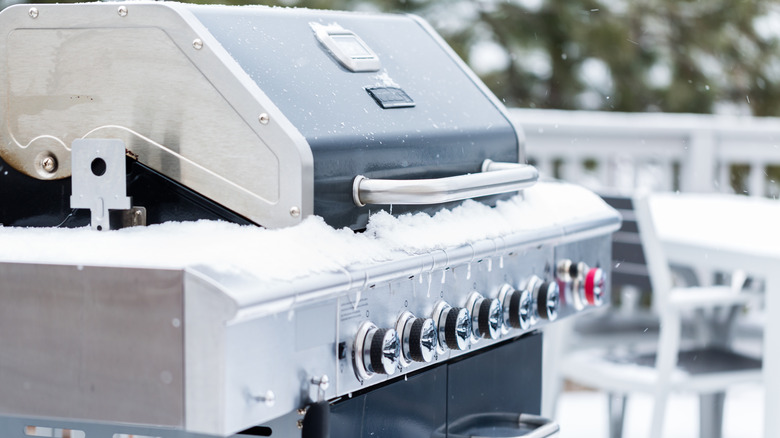
Outdoor grilling traditionally means warm summer afternoons and sultry evening cookouts. But there's no rule saying your beloved grill-mate must hibernate when temperatures drop. Gas grills can still sizzle up steaks, burgers, vegetables, and plenty of other foods in the icy winter season. In fact, some devoted grill-masters prefer chilly outdoor cooking over giving up their beloved siren-song flames until spring returns.
Cold weather does, however, change the experience, sometimes considerably. A gas grill must endure lower outdoor temperatures, with snow and wind bringing even more challenges. The grill may need extra time to preheat, temperatures can be harder to maintain, and you could even burn through fuel faster than on easy-breezy sunny days. Propane-powered grills also face challenges when super-low temps affect the pressure inside a propane tank, and you'll need to consider how to keep your grill in perfect condition throughout the winter.
Cold weather doesn't mean you can't be successful at grilling outdoors; it just takes a bit of extra attention to detail. If you really want to give it a whirl, many grill manufacturers even provide specific recommendations for doing it well. But when debating whether tonight's dinner is worth bundling up and heading outdoors, the following five disadvantages of using a gas grill in cold weather are worth considering.
Gas grills can take longer to heat up and cook food in winter
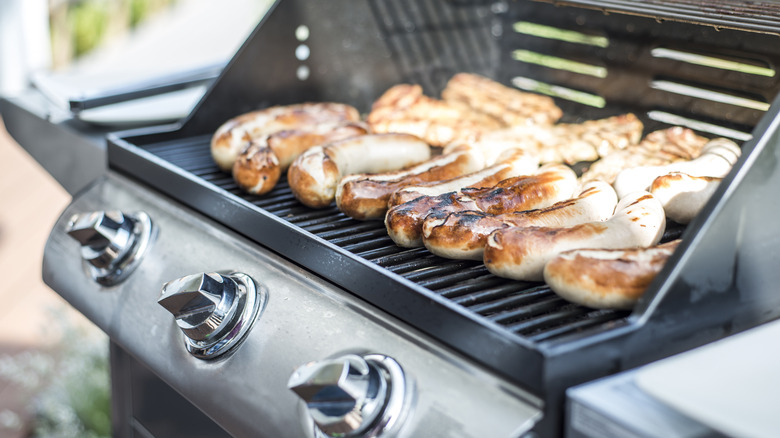
One of the most valued conveniences of a gas grill is the relatively quick startup time: Just turn on the fuel, ignite the burners, preheat, and you're good to grill. Cold weather, however, can put a significant kink in that process. When outdoor temperatures dive, the grill typically loses heat more quickly into its surroundings, which means it may take longer to reach the cooking temp you actually need.
That makes it essential to add extra preheating time into your schedule, as well as potentially more time for the actual cooking process. Those differences may be barely noticeable when quickly grilling a couple of thin burgers, but it becomes much more evident with foods that need longer, steadier cooking. For example, a thick steak, roast, whole chicken, or other substantial pieces of meat may keep you outside longer than expected — with the grill running most of that time.
All in all, this really just points to the need for flexibility, which you may — or may not — think is feasible. Your summertime recipes likely won't translate perfectly to chilly autumn or freezing winter evenings, so consider whether it's worth losing some of the convenience and charm that makes gas grilling so appealing in the first place. If you're still gung-ho and committed, here are 10 essential tips for grilling during winter.
Cold-weather grilling can use more fuel
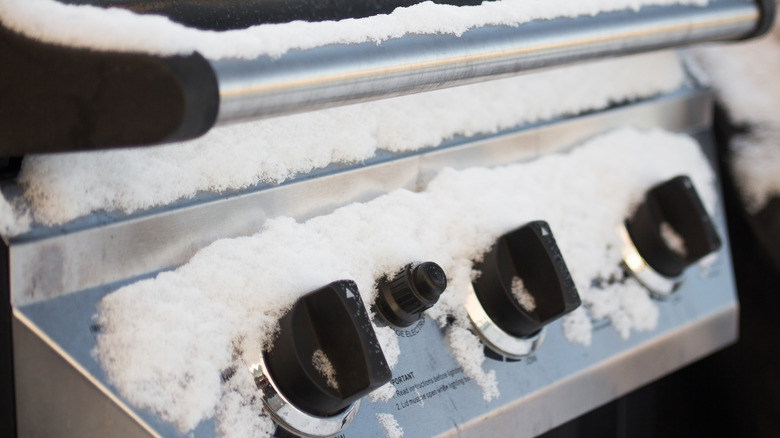
Longer preheating and cooking times bring another disadvantage: Your grill may consume more fuel. When a gas grill must keep generating enough heat to overcome the cold air around it, it likely needs higher burner settings, which uses up more fuel in your tank. When adding that to the extra gas needed for longer preheating and cooking, all those extra minutes can significantly raise the cost of wintertime barbecues.
If using a natural-gas grill connected directly to a household supply, that could simply mean a higher gas bill. But with a propane grill, you could be replacing the portable cylinder sooner than expected — which is pretty inconvenient if it happens halfway through cooking on a freezing night. Keeping plenty of extra fuel on hand becomes crucial for preventing those mid-cooking disaster scenarios.
You'll also need a proper place to keep those extra fuel tanks handy in colder months. As always, they must be stored and handled according to proper safety guidelines, which includes keeping cylinders outdoors, upright, and away from ignition sources — and definitely away from your hot grill, since an extra unconnected cylinder near a heat source could cause propane to release, leak, or ignite. With winter winds and weather, it's also advisable to keep propane tanks secured with tie-down straps or a dedicated propane tank stabilizer.
Maintaining a steady cooking temperature can be more difficult
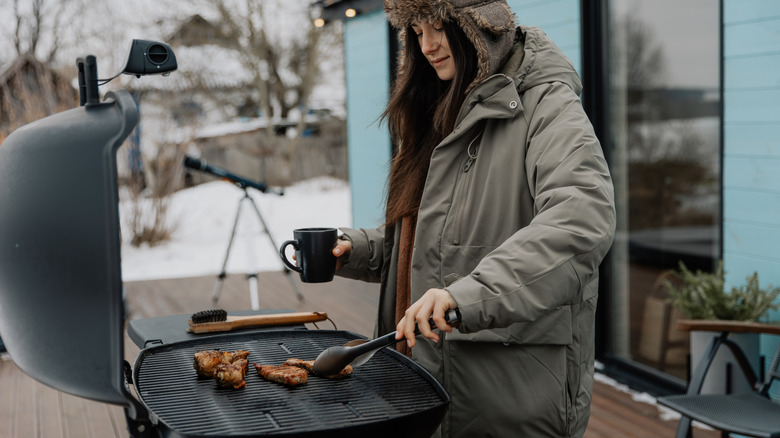
Getting a grill hot is only part of the winter-time challenge. Keeping it that way can demand even more of your attention, especially when freezing air and wind constantly pull warmth away from the grill. Opening the lid becomes particularly troublesome, since every little peek-a-boo releases the accumulated heat, replacing it with chilly outdoor air. This forces the grill to recover that loss and re-stabilize the cooking temperature over and over again.
Wind creates more than a passing, inconsequential gust with outdoor cooking — it can actually have larger implications. Even if the thermometer reads the same on two winter days, a stiff breeze can make one grilling session considerably more difficult than the other, since strong winds can lower the temperature of the gas grill. You'll need to compensate for that by sheltering the grill from biting winds, which requires finding a safe, properly ventilated place to move it. You'll also need to keep it away from combustable materials such as wood siding, awnings, low-hanging tree branches, and anything else typically positioned in wind-sheltered areas.
Those fluctuations matter because consistent heat helps food cook predictably. If grill temperatures keep dropping and then recovering, timing becomes less dependable, particularly with foods that stay on the grill for extended periods of time. These things matter more than you may realize, and learning to optimize grill heat is a prime cooking tip to keep in mind when grilling in the winter.
Propane grills can lose pressure in extreme cold
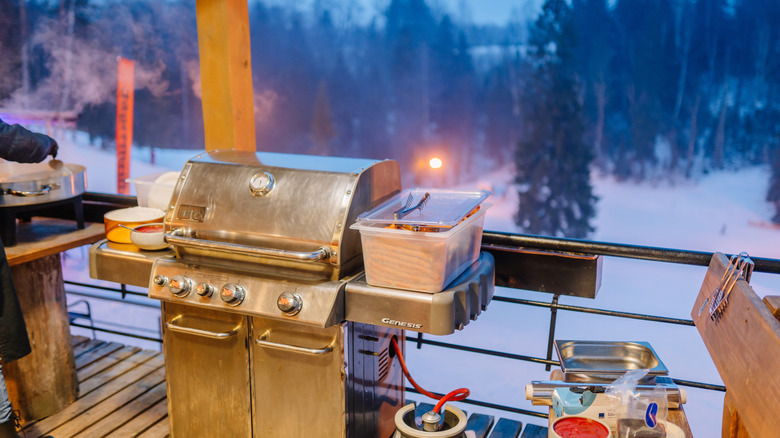
Cold weather doesn't merely make a propane grill work harder. If temperatures get low enough, it can also affect how propane gets from the tank to the burners, potentially causing an issue with enough of the fuel making its way to the grill. Let's take a closer look at how that works.
Propane is primarily stored inside the cylinder as a liquid, and it changes into a vapor as it gets used. The pressure of that vapor tends to fluctuate with temperature changes — and lower outdoor temps produce lower vapor pressure inside your propane container. If the pressure falls too low, it's possible you won't have enough gas for fueling your grill and cooking your meal. The display levels of propane in a tank also tend to indicate lower levels in colder weather, since the properties of propane actually shrink when temps drop, and likewise expand when it's warmer outside. This can make it a bit tricky when determining how much fuel you actually have for cooking.
These concerns over pressure loss and unpredictable propane levels needn't be dealbreakers for extending grill magic past the summer season. They're just one more thing to be aware of, and to toss on the list of potentially pesky winter-grilling disadvantages. If you do decide to pack it in and save grilling for the barefoot days of shorts, sunscreen, and sweet iced tea, here are a few tips on the right way to store your grill for the winter.
Snow, ice, and cold add extra setup and safety hassles
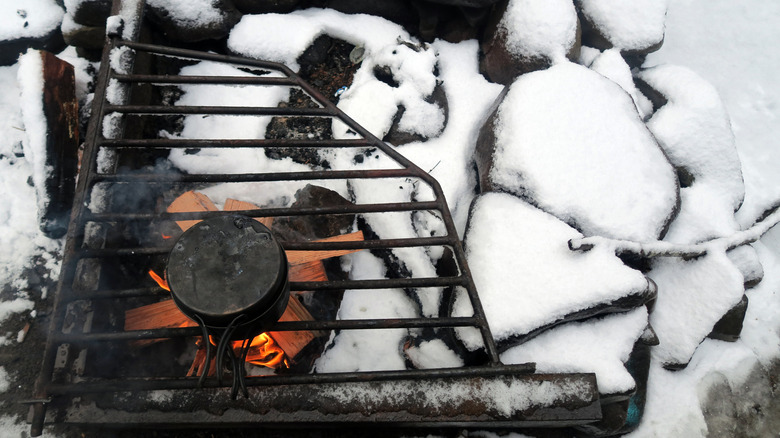
Perhaps the least technical disadvantage of winter grilling is also one of the most obvious: You have to stand outside in the snappy cold, slippery ice, whipping winds, or powdery snow flurries. Before firing up the grill after snowfall, you'll be devoting extra time to clearing snowpack and ice patches from the path leading to your grill and surrounding areas. Snow piled on or around the grill can also make an already-chilly cooking environment harder to heat.
If you're thinking of moving your grill into a garage or other covered space, please don't. That's a big no-no for safety reasons. Outdoor grills should never be used indoors due to the danger of deadly carbon monoxide accumulation. It can happen in a matter of minutes, so don't think it's okay to plop some quick-cooking burgers or wings on a grill unless it's fully outdoors with open ventilation.
Even clothing comes into play when grilling in winter months. Scarves and bulky coats or sweaters could catch fire, while ordinary snow gloves aren't suitable substitutes for heat-resistant barbecue gloves when handling hot grills. With all drawbacks considered, if you still hold a torch for winter grilling, one final tip is to grill what you already know and love. That way, you'll readily recognize issues when they occur. And look for ways to counteract disadvantages. For example, when grilling steak in cold weather, consider doing things like swapping out metal grill grates for cast iron ones, since they heat quickly and retain heat longer.