

How Pre-Prohibition Lager Was 10x More Flavorful Than Today's Brews
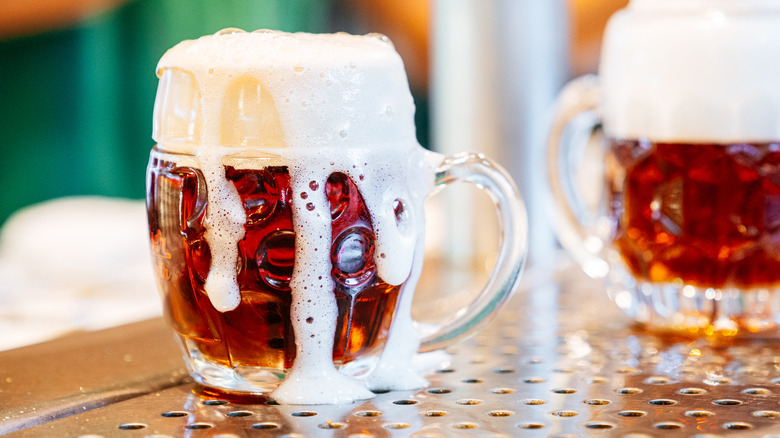
Knocking back a pre-1920s cold one landed a little different on the palate. Before the temperance movement propelled Prohibition (along with the 18th Amendment to the Constitution of the United States), beer had more of a kick. Its average IBUs (International Bitterness Units) typically sat around the 25 to 40 range, compared to today's standard mass-market macro lagers that land more in the range of 10-12 IBUs. IBUs represent the flavor quotient that hits your taste buds related to hop compounds in your beer. The higher the IBU number, the more you're experiencing the little yellow pods inside hop leaves that are principal to the aroma, flavors, and bitter notes of your beer.
Pre-Prohibition brewers were working with quality ingredients, including six-row barley, a robust North American grain that they minimally mixed with corn or rice to make the lager lighter and less protein-hazy, while still maintaining a full-bodied flavor experience. They were also giving yeast the time and temperatures it needed to settle (two to three weeks in some cases, or several months depending on the recipe).
By the time the 21st Amendment repealed Prohibition in 1933, small, diverse breweries across the country had long been decimated. The landscape was reduced to around 100 surviving breweries from the more than 1,300 operating before 1920. Surviving beer brands, looking to scale production amid the Great Depression, stretched ingredients to save money and generally diluted the taste. However, there's good news for modern beer drinkers looking for pre-Prohibition flavor. Hello, craft beer.
Craft beer takes beer back and moves it forward at the same time
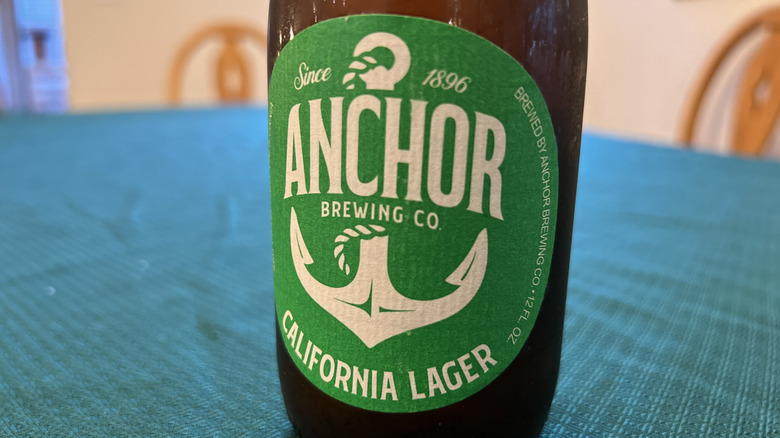
By the mid-20th century, Americans had developed a firmly established reputation not only for producing bland beer, but for preferring it. However, that uninterrupted trajectory toward brewing uniformity hit a speed bump when Fritz Maytag III (great-grandson of the Maytag Corporation appliances founder) took an interest in beer brewing, got creative with the craft, and essentially started a renaissance.
In the mid-1960s, San Francisco's Anchor Brewing Company was white-knuckling it to make ends meet until Maytag bought a controlling stake in the company and promptly realized the problem: The brewing industry's creativity for the craft of making beer had become anemic at best. Maytag, 27 years old at the time and never having trained as a brewer, became a self-taught connoisseur brewmaster, hearkening back to old-fashioned, simple ingredients and a more traditional brewing process (closely mimicking pre-Prohibition materials and methods), combined with modern equipment and techniques.
Anchor Brewing became America's first craft brewery, launching the revitalization of pre-Prohibition lager flavors, though opinions vary; this leaves you with the lovely task of building your own beer flight and doing the taste tests for yourself.