

Anthony Bourdain's Controversial Advice For Aspiring Chefs Had Nothing To Do With Cooking
We may receive a commission on purchases made from links.
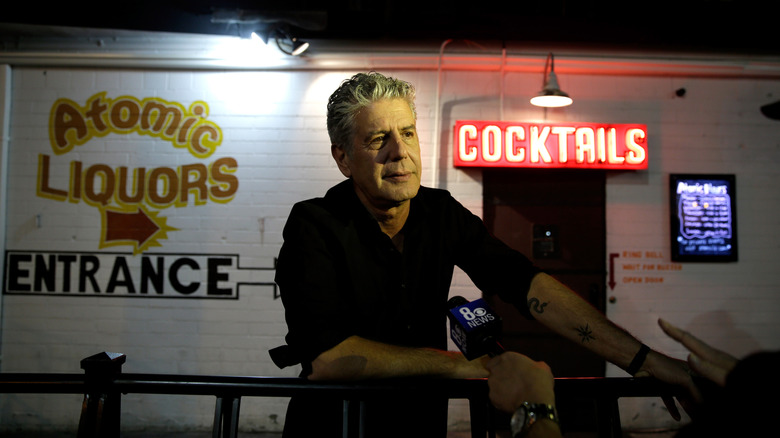
The release this month of Matt Johnson's biopic "Tony" has brought fresh attention to the life and legacy of chef, author, TV host, and gourmandizing raconteur Anthony Bourdain, whose voice and insights continue to be keenly missed since his tragic passing in 2018. Bourdain held strong opinions on everything from Cincinnati's Skyline chili to the ethics of foie gras, yet one of the his most controversial pieces of advice for aspiring chefs had nothing to do with cooking, and continues to be a source of tremendous debate.
"Never call in sick," Bourdain instructed in his bestselling breakout memoir/culinary Bible "Kitchen Confidential". "Except in cases of dismemberment, arterial bleeding, sucking chest wounds or the death of an immediate family member. Granny died? Bury her on your day off." Bourdain was far from unfeeling toward his fellow culinary workers — he was a vocal public advocate for their rights and damning of anyone who treated them abusively — but he also recognized that working while ill was often an unavoidable reality for people living paycheck to paycheck in the frantic, unforgiving restaurant kitchens he so memorably detailed.
He elaborated on this unfortunate reality in a Crime Reads excerpt from "Typhoid Mary: An Urban Historical." Bourdain's 2001 nonfiction account follows cook Mary Mallon, who is believed to have infected dozens of people with the bacteria that causes typhoid fever in the early 20th century and was eventually forced from the cooking profession as a result. "Cooks work sick," Bourdain wrote. "They always have. Most jobs, you don't work, you don't get paid ... It's a point of pride to work through pain and illness."
Why following Bourdain's advice could violate FDA Food Code guidelines
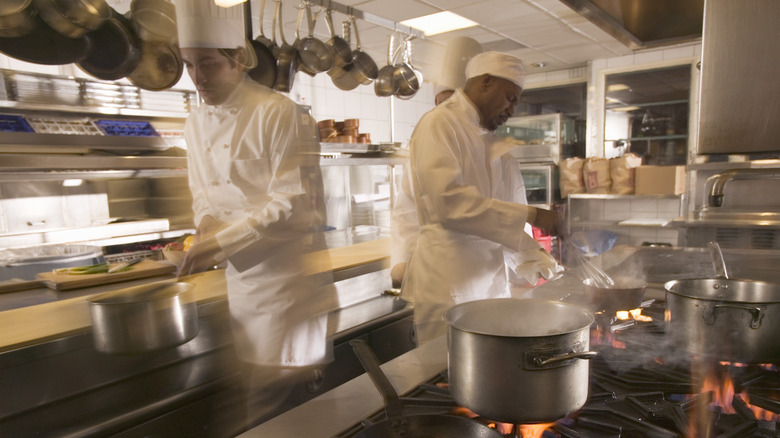
Depending on the nature of their illness, kitchen workers who follow Anthony Bourdain's advice may be in violation of National Restaurant Association best practices, which state that employees with certain contagious conditions should not handle food, regardless of what protective gear they are wearing. Under the 2022 FDA Food Code, employers are required to prohibit any employee from working with food if they display symptoms such as vomiting, diarrhea, jaundice, sore throat with a fever, or an infected wound. If you're a restaurant patron concerned about the risk of foodborne illness, be sure to read up on these health code red flags you shouldn't ignore at a restaurant.
Obviously, the COVID-19 pandemic caused many in the hospitality industry to rethink their approach to illness among employees, but since the pandemic's height, some kitchen workers have faced renewed pressure to avoid taking sick days, sometimes putting work ahead of their own physical and mental health. Bourdain's opinion on taking time off when sick may have reflected the brutal, take-no-prisoners kitchen culture in which he made his bones, but there's no reason to think that culture can't change for the better. Instead, perhaps aspiring chefs in search of advice should turn to the nine absolute best cooking lessons we learned from Anthony Bourdain — it's a far better way to honor his memory than giving everyone in the kitchen the flu.