

5 Biggest Bourbon Trends Of 2026 So Far
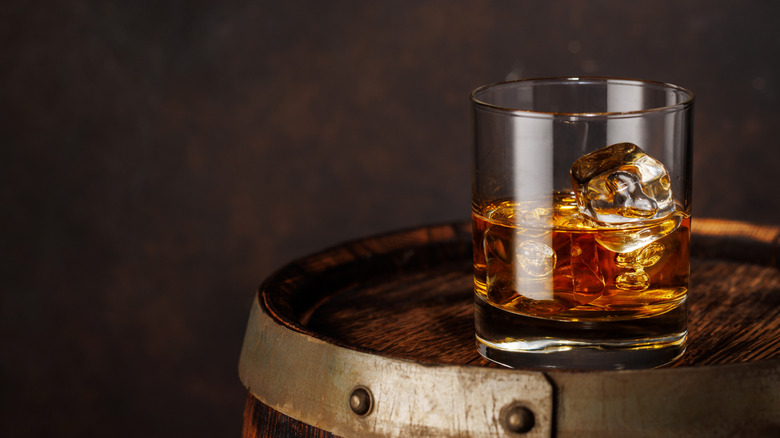
Whether you prefer your bourbon on the rocks or in a cocktail, you deserve to pour yourself a glass. We've made it to the second half of 2026, which means it is time to look at the bourbon trends that have defined the year so far.
We predicted that 2026 would be the year to buy great whiskey at a great price, and that has held true. Just as drinkers have become more interested in the terroir, production techniques, and tasting notes of a glass of wine, they've applied the same curiosity to their bourbon. Producers are responding to consumers' desires, bottling bourbons with intention and delivering a fantastic product with a story to match.
Creativity, innovation, and a focus on quality are leading the trends in bourbon consumption in 2026. So the next time you are at the liquor store, look for sustainable production, unique flavor profiles, and some serious bang for your buck.
More Stable Pricing
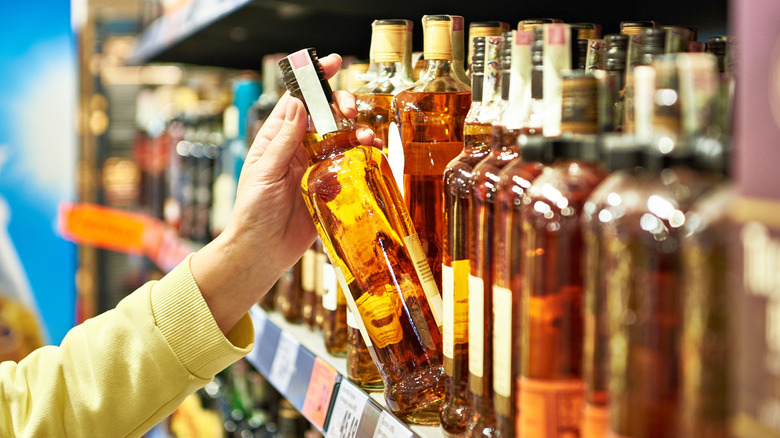
You've got to be patient to get your hands on great bourbon. Turning distillate into whiskey requires time for the alcohol to barrel-age, which gives the final product its signature copper color. The nature of the product means distillers start working on any given release years before it hits the market.
In the 2010s, bourbon became incredibly trendy. Premium products got serious hype — scoring a bottle of Pappy Van Winkle was a very expensive conquest causing the secondary market to boom — and boutique craft distilleries seemed to be popping up left and right. High demand and increased popularity led to increased production, with the assumption that demand would continue to rise. Spoiler alert: It didn't.
Welcome to the Bourbon Glut. Today, there is a lot of bourbon ready to be sold and less demand — resulting from a combination of health-consciousness and a departure from pandemic-era purchasing habits. To move bottles, prices have actually started coming down on some products. This is good news for the consumer, as prices have stabilized. Instead of relying on scarcity to convince consumers to buy, brands now have to prove the bourbon inside the bottle is actually worth drinking.
Renewed Focus on Quality and Value
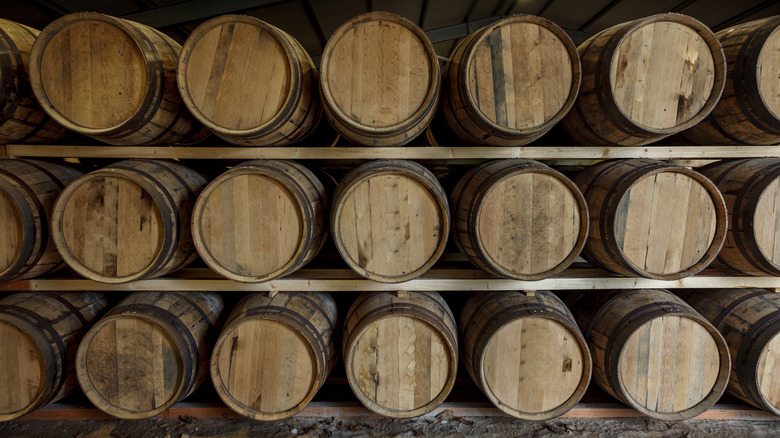
Since inflation has caused consumers to start tightening their purse strings, bourbon drinkers are looking for a bottle that is reasonably priced, great quality, and something they'll actually drink — instead of investing in a special occasion bottle that sits on the shelf looking pretty. Trophy bottles and ultra-rare releases aren't quite as desirable as a well-made product that can be enjoyed today.
When shopping with quality in mind, words like craft, small-batch, and the like are used to tell a great story, but these terms aren't regulated across the industry. (Unlike wine, where classifications like AOC or DOCG provide strict regulations to how and where grapes are grown, harvested, and processed.)
Bottled-in-bond is the only federally regulated classification for bourbon beyond the standards required for it to be labeled bourbon rather than simply whiskey. To earn the designation, a bourbon must be produced by a single distiller during a single distilling season, aged for at least four years in a federally bonded warehouse, and bottled at 100 proof. More distillers are releasing bottled-in-bond products — keep an eye out for the Old Grand-Dad 7 Year Bottled in Bond, which hit shelves in July — giving consumers an easy way to identify bottles that meet these specific production and aging standards.
Innovation with a Reason
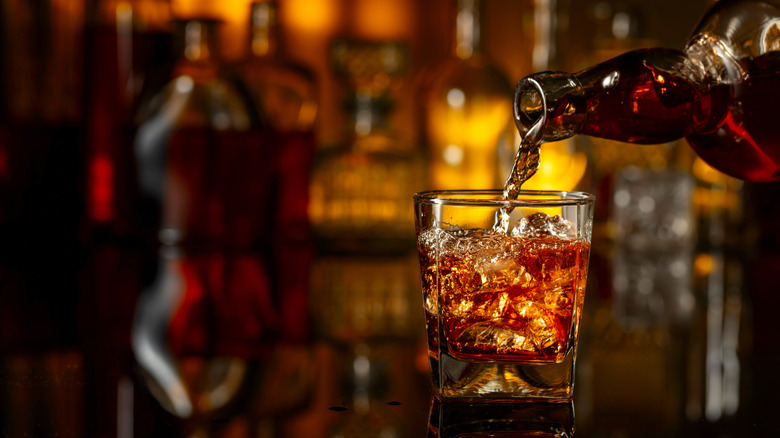
Even though all bourbon must meet strict production requirements, including being aged in new charred oak and made in the United States, there are a lot of ways that distillers and blenders can make their product unique. From adjusting the grain types to blending flavored whiskey to finishing the bourbon in a different type of barrel, the options for innovation are almost infinite. The difference in 2026 is that consumers don't just want to try something new, they want to know why it was done and why it's worth their money.
On one hand, bourbon drinkers are getting savvier about spotting cheap gimmicks. They want to know whether time spent in a port barrel actually enhances a barrel-finished bourbon or simply masks a mediocre product without violating the requirements for it to still be called bourbon. On the other hand, growing excitement around unique, intentionally crafted products is inspiring consumers to branch out. Sure, sherry cask finishing is nice, but have you ever had bourbon aged at sea?
Creative Use of Wheat and Rye
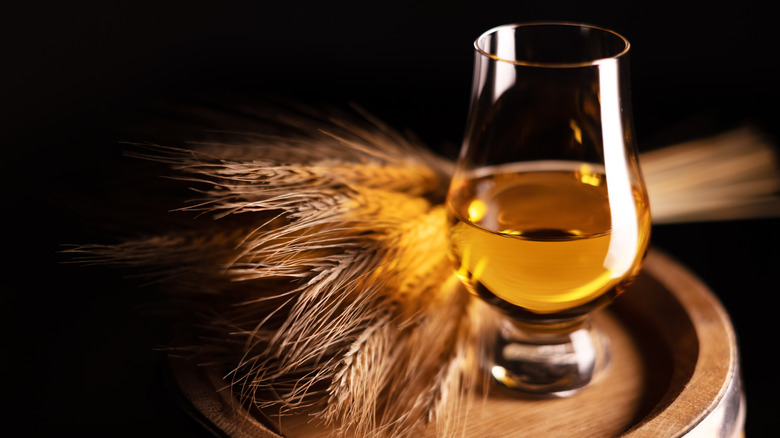
While bourbon must be at least 51% corn, the other grains used are up to the distiller. Wheat and rye are common, but distillers have gotten more intentional and creative with what they're using and why.
Wheated bourbon tends to have a softer, sweeter flavor profile, making it a more approachable choice for a wide range of drinkers. Maker's Mark, Larceny, and Old Fitzgerald are all wheated bourbons, while Pappy Van Winkle is perhaps the most iconic example. If Pappy is a little out of your price range, look for Woodford Reserve's Wheated Bourbon or Heaven Hill Grain to Glass Kentucky Straight Wheated Bourbon Whiskey, which is made each year using a specially selected corn seed varietal.
On the other end of the flavor spectrum, rye brings a spicy edge to bourbon's caramel notes. High-rye bourbons tend to be less sweet and more complex, leaning closer to rye whiskey while still keeping corn as the dominant grain. Bulleit and Four Roses use higher proportions of rye in their straight bourbons — 28% and 35%, respectively — making them great stepping stones toward full-on rye whiskey.
The Influence of Female Distillers
Distilling has never been solely a man's world. From brewing and distilling at home thousands of years ago to Margie Samuels coming up with the idea to dip Maker's Mark bottles in red wax in the 1950s, women have always had a role in distilling and, eventually, the modern whiskey industry. Their contributions haven't always received the recognition they deserve, but that has begun to change over the past few decades.
In fact, it was Peggy Noe Stevens — the first woman to become a Master Bourbon Taster — who, while working at Woodford Reserve, collaborated with women from Maker's Mark and Jim Beam to help create the Kentucky Bourbon Trail in the 1990s. She also founded the Bourbon Women Association, an organization for industry professionals and bourbon lovers alike, which is celebrating its 15th anniversary in 2026.
Women are taking on leadership roles across the industry, overseeing distilling, blending, and tasting at the highest levels. Dr. Dawn O'Neal, founder of New Dawn Distilling, transitioned from leading climate research projects to building a sustainable, environmentally responsible supply chain. Meanwhile, Meghan Ireland, chief blender at WhistlePig, uses her passion for chemistry to manage the brand's beloved products and create experimental blends. So as we finish out 2026, keep an eye out for women-owned and women-run distilleries producing bourbons that are helping push the industry forward.