

11 Common Foods You'd Find In A 1960s Fridge
We may receive a commission on purchases made from links.
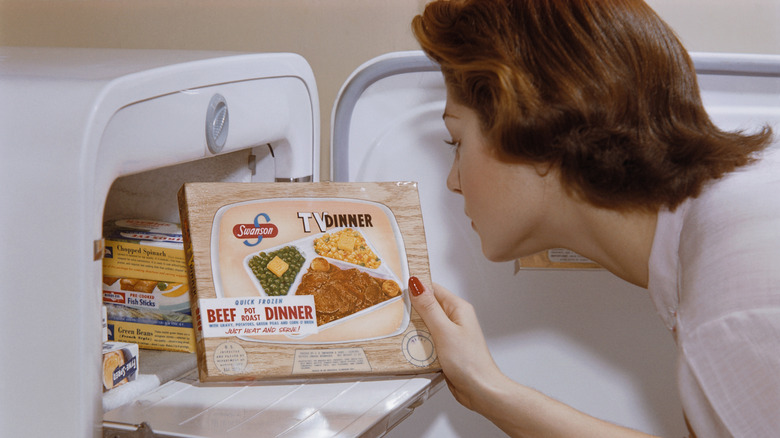
Open a refrigerator in the mid 1960s and you'd find a strange, wonderful snapshot of postwar American appetite. The suburban kitchen was booming, women's magazines were pushing convenience as the ultimate housewife's ally, and food companies were flooding grocery shelves with new inventions like powdered drinks, shelf-stable spreads, jiggly molded salads — all promising to make dinner faster, shinier, and more modern than anything grandma made.
At the same time, older habits hadn't fully died out. Milk still came in glass bottles delivered to the porch. Bacon grease was saved in a can by the stove, not thrown away. Lard, not vegetable oil, was still what a lot of home cooks reached for. It's a fascinating mix of nostalgic dishes and packaged foods, and almost none of it looks anything like what's in today's modern fridge. Some of these foods disappeared because science caught up with them, while others just fell out of fashion as tastes shifted toward fresher, less processed eating. A few, like tuna casserole and macaroni salad, still exist but have been demoted from Tuesday-night staple to nostalgic rarity. These 11 foods once defined the American fridge, but unless you jumped back in time, you're unlikely to find them today.
Glass bottles of milk
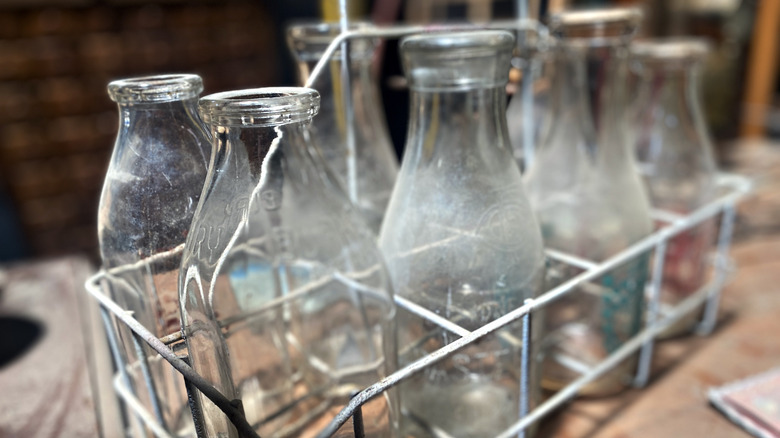
Before everyone grabbed plastic-handled gallons of milk at the store, there was an entire industry dedicated to delivering dairy. Milk was commonly delivered to American homes in returnable glass bottles. The service was still widespread in the 1960s, although supermarkets and the rise of inexpensive, disposable packaging were changing the way Americans bought it. Today, glass milk bottles are more likely to be associated with high-end dairies or nostalgic marketing campaigns.
Jell-O salads
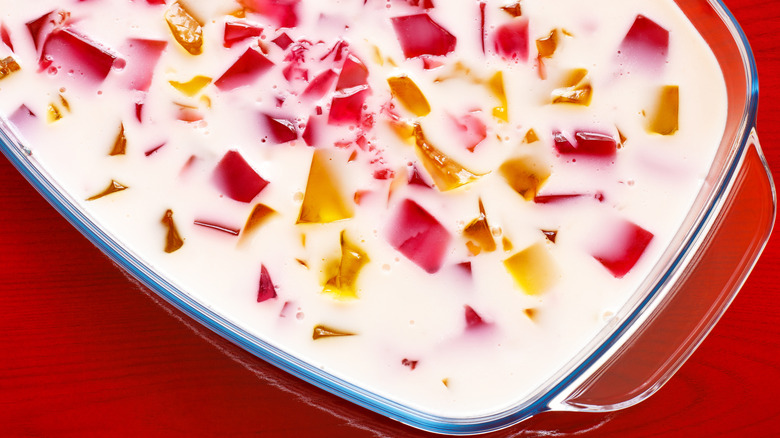
Few foods capture midcentury entertaining quite like a molded gelatin salad. Jell-O could be combined with fruit, cottage cheese, vegetables, mayonnaise, or even salty ingredients, while tomato aspic turned tomato juice and gelatin into a jiggly centerpiece for the dinner table. These days, Jell-O is associated with desserts, but these gelatin salads were served as side dishes, appetizers, or even paired with meat. You won't see many savory gelatin dishes on everyday menus today, but their popularity in the 1950s and '60s reflected America's fascination with convenience foods and the most elaborate presentations.
Fresh lard
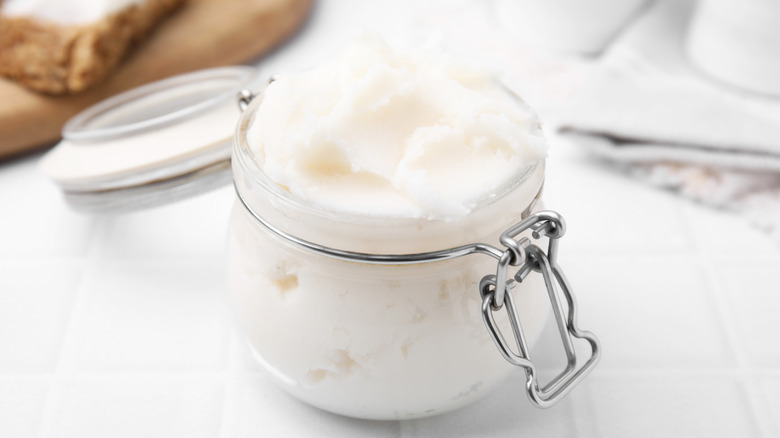
A container of cooking fat was once an ordinary sight in the refrigerator, and lard or a surplus of bacon grease was especially common. Rather than throwing away the fat left behind after sizzling bacon strips, families could strain it into a jar and refrigerate it for later use in frying, biscuits, cornbread, gravies, and other dishes. Lard was also a standard baking ingredient – the secret to perfect pie crust. Health concerns and the rise of vegetable shortening and cooking oils eventually pushed animal fats out of many American kitchens, making a jar of bacon grease feel distinctly old fashioned today.
Macaroni salad
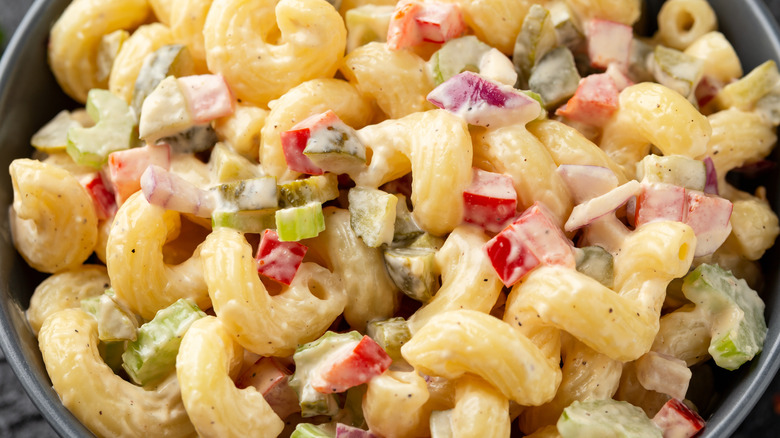
A plastic-wrapped bowl or Pyrex container of macaroni salad could easily find a home in a 1960s refrigerator, particularly during the warmer seasons. Typically made with elbow macaroni and a creamy mayo-based dressing, it was an inexpensive, filling side dish that could be prepared ahead for picnics and barbecues. Southern-style macaroni salad recipes commonly included chopped celery, onion, pickle relish, hard-boiled eggs, or mustard. Macaroni salad certainly hasn't disappeared, but it has shifted from being a summertime refrigerator stale to something many people encounter at delis, potlucks, and cookouts.
Deviled ham spread
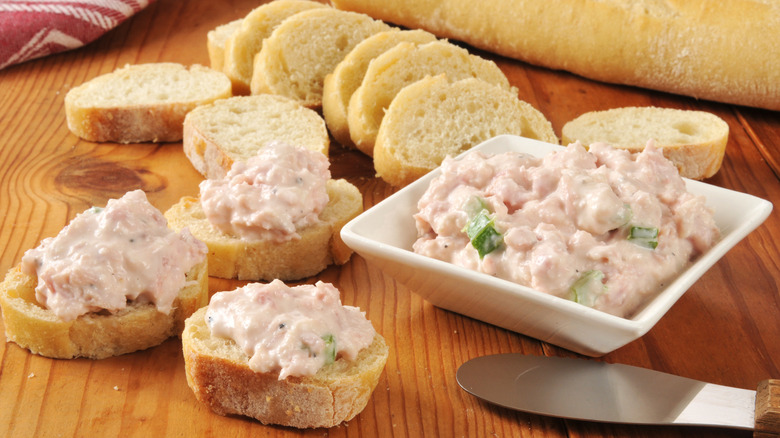
Canned deviled ham was a quintessential convenience food of the 1960s (and well before). Spreadable, savory, and shelf-stable until pried opened, it could be mixed with mayonnaise and turned into quick sandwiches, cracker toppings, or the perfect finger food for parties. Ham salad — often made with finely chopped leftover ham, mayonnaise, relish, and seasonings — served a similar purpose. These spreads were particularly suited to an era when canned meats were prized for their convenience. Today, deli-counter sliced ham and a much wider range of ready-made spreads have largely replaced the little cans and homemade ham salads that once occupied refrigerator shelves.
Mint jelly
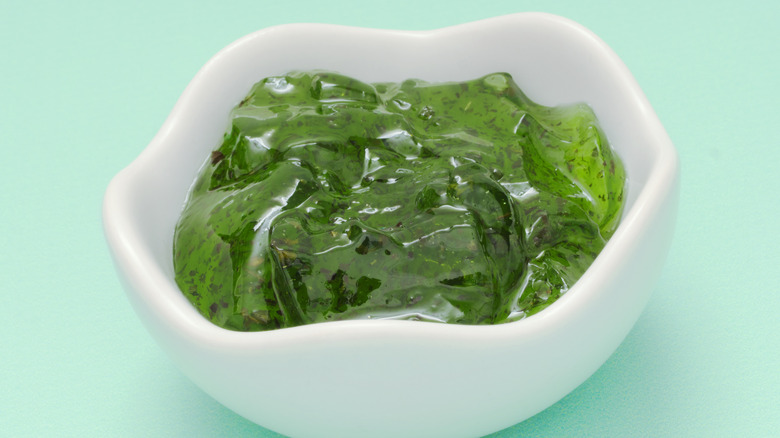
A jar of nearly-glowing green mint jelly was a familiar condiment in many households from the early 1900s into the '60s and even '70s, particularly around holidays and Sunday dinners. Its traditional partner was roast lamb, with the sweet, bold jelly providing a bright contrast to the rich meat. Mint jelly wasn't necessarily an everyday condiment, but it was common enough to earn a place in the fridge alongside ketchup, mustard, and the other expected condiments. As lamb became less central to the American dinner table and more costly, mint jelly lost much of its purpose. You might spot it on an Easter dinner table or amongst older crowds, but it's hardly a kitchen staple these days.
Tuna casserole
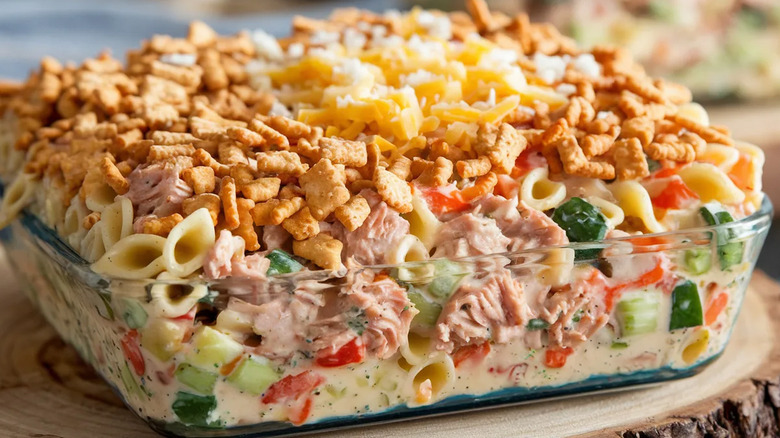
Tuna casserole was the ultimate weeknight marriage of convenience and comfort: canned tuna, condensed cream soup, noodles, and often peas or another vegetable, all baked together until bubbling. Tuna noodle casserole was a huge hit well into the '70s, but it rose to fame during the baby-boomer era. It was inexpensive, filling, and easy to prepare ahead of time, sometimes with new flavor profiles like curry. Though tuna noodle casserole remains a nostalgic American classic, today's average home cook has countless dinner options that aren't only faster, but fresher.
Margarine
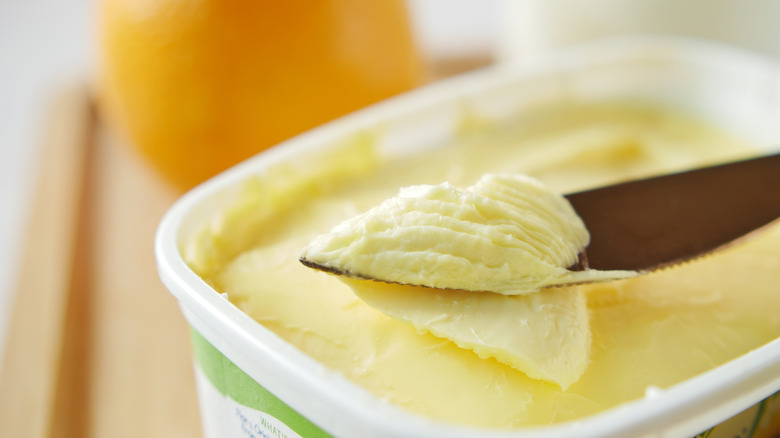
Margarine was a refrigerator mainstay in many American homes by the 1960s, when it was marketed as an economical alternative to butter. It was used for spreading on toast, cooking, baking, and just about anywhere else a recipe called for fat. Margarine's popularity was also shaped by changing attitudes toward butter and saturated fat. The product has evolved considerably since the 1960s, but the era's tubs and sticks were a familiar sight beside the butter dish. Many households have returned to butter, while modern spreads tend to occupy a much smaller role in cooking and baking.
Powdered drink mixes
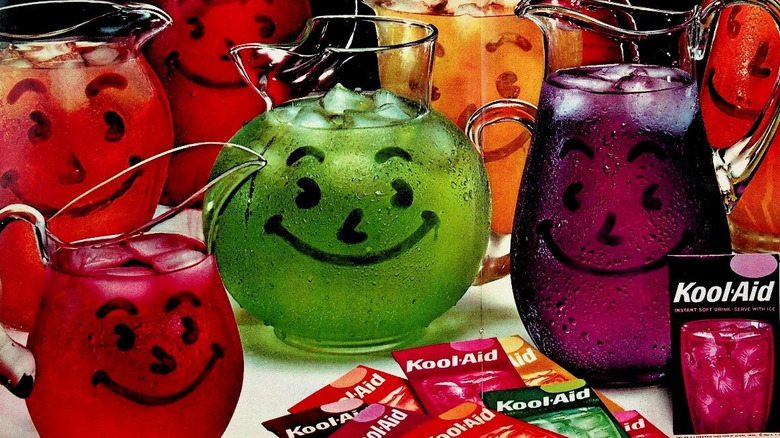
A brightly colored pitcher of powdered drink mix was practically made for the 1960s refrigerator. Families could mix up Kool-Aid, Tang, or another powdered beverage with water and sugar, then keep a pitcher chilled for easy refills. These drinks were inexpensive, convenient, and particularly popular with children. Tang was famously associated with America's space program, while Kool-Aid became a fixture of American childhood. Powdered drink mixes still exist, but today's refrigerators are more likely to hold bottled water, soda, juice, or ready-to-drink beverages than a large pitcher of homemade powdered punch.
Processed cheese logs and balls
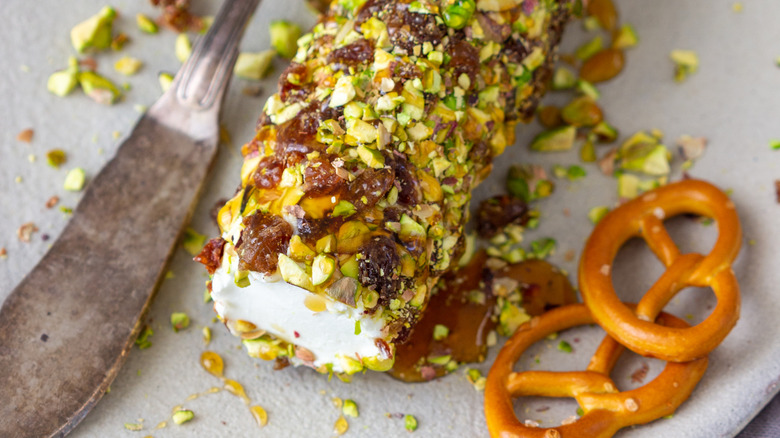
Cheese balls and cheese logs were the kind of refrigerator item that could turn an ordinary gathering into a cocktail party. Soft, processed or highly processed cheese could be shaped into a ball or log, coated in nuts or herbs, and served with crackers. They fit perfectly into the era's fondness for make-ahead party foods that were as decorative as they were convenient. Cheese balls haven't vanished, especially during the holidays, but modern cheese boards tend to emphasize a range of natural cheeses rather than a single molded spreadable cheese centerpiece.
Custard pies
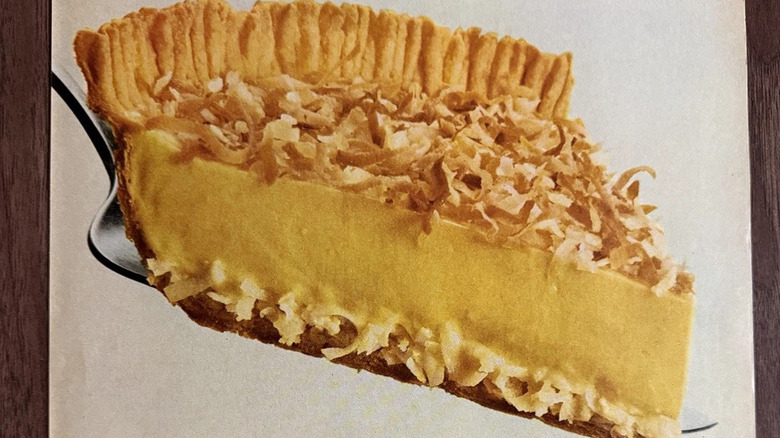
Coconut cream, lemon chiffon, banana cream, butterscotch, and any egg custard pies were bakery and household standards back in the '60s, built on egg-based custard fillings that required real technique (and patience) to set properly. These pies were everything at potlucks and big family dinners, often piled high with meringue, and became even more popular once shortcuts like Jell-O came around. As baking trends moved toward simpler and store-bought pies became widely available, even no-bake desserts felt like they required too much patience.