

Are StarKist Pouches Better For The Environment Than Its Canned Tuna?
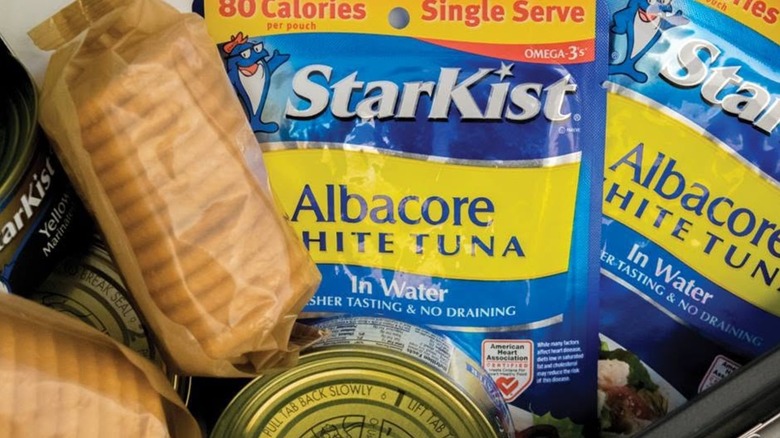
Tuna has been at the center of environmental concerns for decades, from dolphin-friendly tuna in the 1990s to more modern worries about sustainable fishing practices. Today, concerns have expanded beyond how tuna is caught to include how it is packaged, as the environmental impact of producing billions of cans becomes harder to ignore. Companies like StarKist are switching to pouches, which it claims gives a better-tasting and more environmentally friendly product, and in most ways that seems to be true.
The process of manufacturing pouches leaves a lower carbon footprint than metal cans. Some pouches have been reported to require 75% less energy to manufacture than a can, per The Environmental Magazine. Flexible packages can use 70% to 90% less raw material than cans and produce 70% fewer greenhouse gases, according to Packaging Technology Today.
Globally, over 5.2 million metric tons of tuna are caught for canning each year, according to Astute Analytica. That translates into billions of cans. Tuna pouches have a lot of upsides for consumers right off the bat. They use less packaging, aren't filled with water, and don't require a can opener. The tuna inside is less processed, so it tastes firmer and fresher. And because StarKist has fielded complaints about its canned tuna in the past, this could be a welcome change. Pouches weigh less and take up less space, which means fewer resources like fuel are needed for storage and transportation.
While tuna pouches have a much lower environmental impact during manufacturing, the advantages are less clear after use. Metal cans are recyclable. The pouches, which are often made with layers of plastic and aluminum, cannot be recycled and will go to a landfill. That said, some sources suggest the manufacturing advantages still make pouches the more environmentally sound option despite the lack of recyclability.
The case for tuna pouches
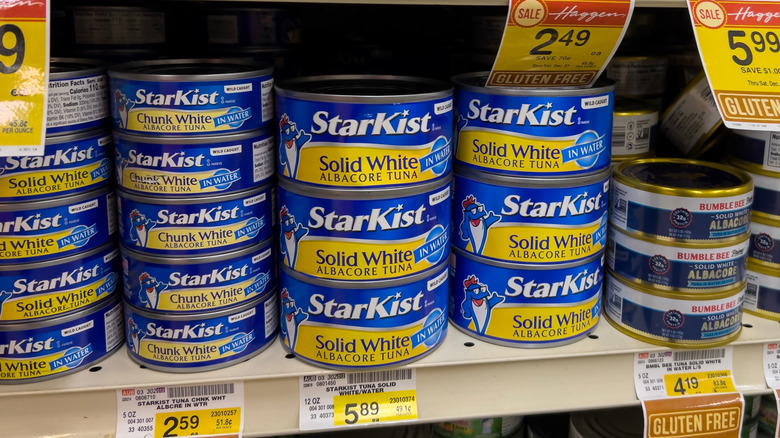
The full scope of environmental concerns related to tuna is much bigger than many of us consider. As consumers, we can choose between pouch and canned tuna, but that is only one part of tuna's environmental footprint. The materials needed to build fishing vessels, the fuel they consume, and the bycatch associated with some fishing methods all contribute to the final impact. Once the fish reaches shore, there are additional transportation concerns, storage and processing facilities, and then energy and waste related to packaging.
It would take 25 truckloads of cans to carry the same amount of tuna that one truckload of pouches can transport and saves as much as 96 percent in warehouse storage space, per The Environmental Magazine, and that's a huge difference in environmental impact in terms of fuel and heating and cooling costs. According to a 2024 report from the International Maritime Organization, the global fishing industry uses about 50 billion liters, or about 13.2 billion gallons, of fuel per year. Even small changes related to packaging can make a difference.
Getting a definitive answer about which form of packaging is the best is not easy. Pouches have advantages during the manufacturing process, but cans make up a considerable amount at the end because of their recyclability. The caveat here is that the cans have to be recycled to even have a hope of offsetting the benefits of pouches. According to the EPA, less than 35% of aluminum packaging was recycled in 2018. Tuna cans are made of steel, but the same problems apply. If consumers aren't recycling them, then the benefits aren't there. That means pouches may be your best bet when buying tuna if you are concerned about the environment.