

What Is The Average Lifespan Of A Range Hood?
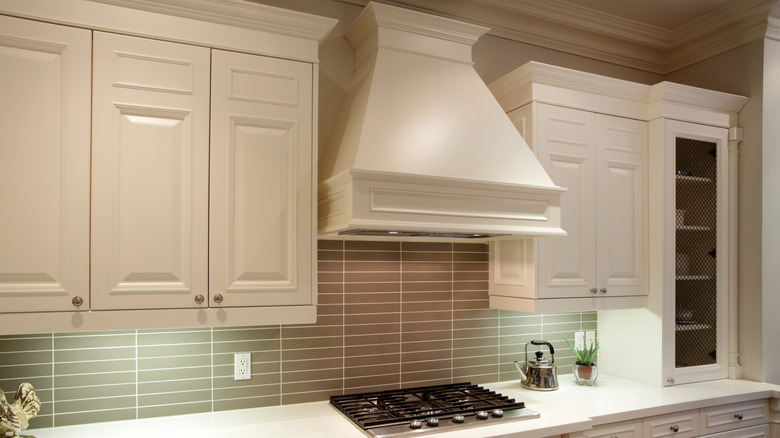
Clean air is a crucial necessity in a well-used home kitchen. Range hoods play a bigger role than home cooks might expect, especially for folks working over a gas stove. Their main function is to make sure you are breathing clean air while you hover over the cooktop, improving indoor air quality for the whole house. Range hoods can also help stave off uncomfortable heat and strong odors, which can be particularly helpful for folks with smaller, tighter kitchens that might be limited in the airflow department. Ductless range hoods typically cost between $200 to $400, while a duct system can cost closer to $1,000. Luckily, investing in this undersung supporting character is a choice that can last the long haul.
With proper maintenance, home cooks can expect their range hood to last about 15 years on average – 10 years on the shorter end and 20 years on the longer end. As a general rule, investing in a durable, higher-quality make and model is a good way to ensure a longer lifespan. Budget-friendly models can get the job done but may need replacing sooner, or come with less user-friendly maintenance components. A range hood that's hard to thoroughly clean will inevitably run into performance issues over time. The overall lifespan of a range hood is also heavily impacted by how frequently it gets used. Folks who use it every time they cook can expect to replace the appliance well before folks who occasionally turn it on to vent out fried food smells.
Proper maintenance can play a huge role in your range hood's lifespan
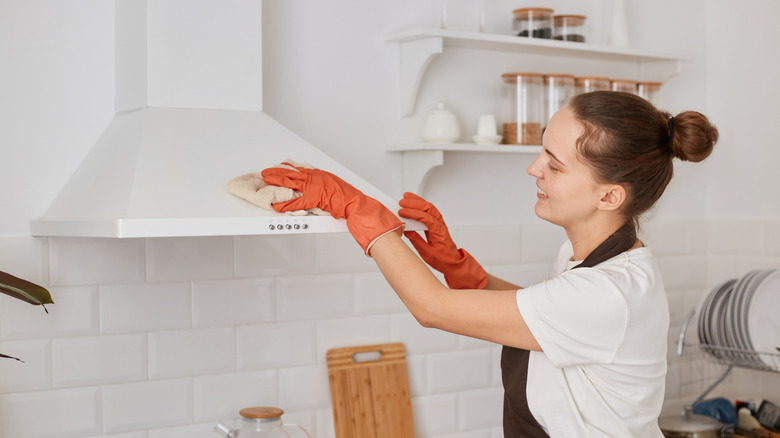
Range hoods work by drawing heavy airborne particulate matter — from grease to excess moisture to smoke — upwards into the hood to be filtered. These particles pass through a grease filter which is customarily affixed to the underside of the hood. To keep the hood in good working order, that grease filter must be regularly cleaned as part of routine maintenance. Soak the filter in warm water and baking soda once a month to avoid performance-impairing clogs.
Some appliances are equipped with external ductwork to vent the air outside of the house. Other ductless range hoods work by filtering the air (often using internal charcoal filters) and then recirculating it back into the kitchen. In either model, the central component is the range hood's encased, motor-powered fan, aka the blower. The blower is responsible for the appliance's air ventilation capability, and malfunctions or gradual deterioration of this motor are the primary reasons why range hoods need to be replaced. To get the most out of your investment, regularly wipe the electric fan blades, and make sure you're setting the fan to appropriate speeds for specific uses. Low to medium speed is ideal for simmering, sauteeing, and boiling; only use the high speed setting for frying or cooking over high temperatures. For ductless range hoods, it's also a good idea to replace the charcoal filters every three to six months. When it's finally time to replace the whole appliance, we've rounded up tips for how to pick the best kitchen range hood for style and function. Fans of a minimalist aesthetic might even consider the sleek functionality of integrated range hoods for a cleaner facade.