

Cabernet Sauvignon And Shiraz Are Both Bold Red Wines, But They Taste Very Different
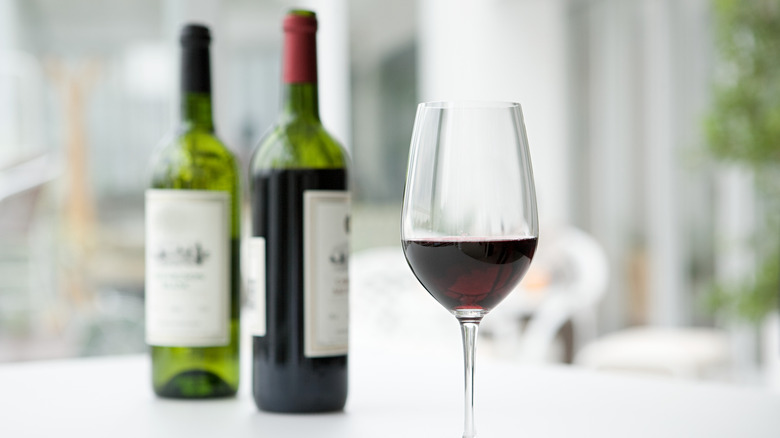
On the shelves of any given wine shop, cabernet sauvignon and shiraz are close neighbors. They're both full-bodied red wines with strong enough character to stand beside a good steak, but they aren't interchangeable. Cab sav tends to be firmer and darker, more architectural in a broody way. Shiraz is exuberant and generously fruity, with a signature peppery warmth. They're both red wines, but they're different grape varieties expressing unique characteristics.
It starts in the vineyard. Cabernet sauvignon grapes grow thick skins that naturally produce abundant tannins, the plant compounds responsible for the astringent, sucking-dry sensation that plays across the tongue and gums as you sip. The grapes also develop pronounced acidity, giving cabernet its reputation for structure and longevity. Expect a bouquet of dark fruit flavors like black currant and black cherry, along with notes of graphite, tobacco, and sometimes even an herbaceous mintiness. Shiraz, which is called syrah throughout much of France, generally boasts softer tannins and a rounder mouthfeel, with dark-fruit notes of ripe blackberry and plum, along with surprising savory notes of cracked black pepper, smoked meat, and mocha. Both wines are considered dry, but the combined aromas and velvety tannins of shiraz sometimes create an impression of sweetness.
Climate and winemaking further widen the gap. Cabernet sauvignon grapes thrive in regions like its place of origin, France's Bordeaux, but also California's Napa Valley, even parts of Washington State and Chile, where long growing seasons allow the grapes to ripen gradually, and the acidity is preserved. Shiraz changes dramatically depending on where it's grown. Northern Rhône's bottles are famously savory and peppery, while Australian shiraz tends to be unapologetically fruity, dark, and full. Stainless steel versus oak barrel aging impacts the eventual pour, but the grape itself ultimately determines the framework that those later flavors rest upon.
Cheers to both
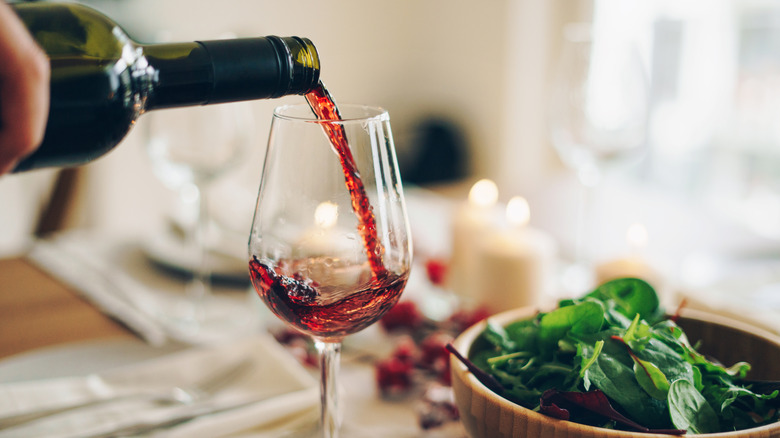
The best way to choose between the two reds is to start with what's on your plate. Cabernet sauvignon's firm tannins love fat and protein, binding to them and softening the wine, which will simultaneously cleanse your palate between bites. Unlike a lighter red, cabernet isn't easily intimidated or overwhelmed by strong, rich flavors, which is why it's considered the classic companion for red-meat dinners; it's the perfect sip with pricey but worth it ribeye steaks, char-grilled lamb chops, or thick burgers served with complex, savory toppings like aged, sharp cheddar cheese and roasted mushrooms. If a dish could be best finished with a butter-rich pan sauce, there's a good chance it'll be perfectly accented with cabernet sauvignon.
Shiraz plays by a slightly different set of rules. Its intensely fruity, peppery flavors and full body make it especially nice alongside smoky meats like barbecued ribs and smoked brisket, much like grilled sausage, duck, slow braises, and black pepper sauces. It doesn't cut through richness the way cabernet does, but instead, creates an interplay with the spices present in the food. The wine's warmth and characteristic piquant note forms an elegant parenthetical to hefty proteins seasoned with cracked pepper, rosemary, smoky chile, or Middle Eastern spice blends like ras el hanout. Pouring a glass of shiraz alongside dishes with this type of smoky, earthy flavor profile creates an impression that the meal and wine were built together, or even for one another.
Neither wine is inherently better than the other. Once you've tried them both, and understand what each grape is bringing to the table, choosing between them is just a matter of allowing the recipe be your guide. The right pairing allows both food and wine to express themselves in the best way possible.