

12 Candies And Confections Cowboys Enjoyed In The American West
We may receive a commission on purchases made from links.
Life seemed simpler when cowboys roamed the land. Manufacturing was a nascent concept, and mass-produced treats were just beginning to become a part of the national lexicon. But sugar is a universal language that binds generations together, so it's not surprising that some of the candies and confections that might've been enjoyed by Old West cowboys include staples familiar to modern readers.
These sweet treats include common, everyday items we now take for granted, but to a saddle tramp riding the range in the mid-to-late-1800s, they would've seemed like exotic gifts from on high. Of course, there are still several surprising snacks that many young folks today probably haven't heard of. These include the likes of anise drops and sugarplums that were common decades ago, but have been largely forgotten today. So, get ready to ride, because here are 12 candies and confections that would've been sweets for sore eyes in the American West.
Candy sticks
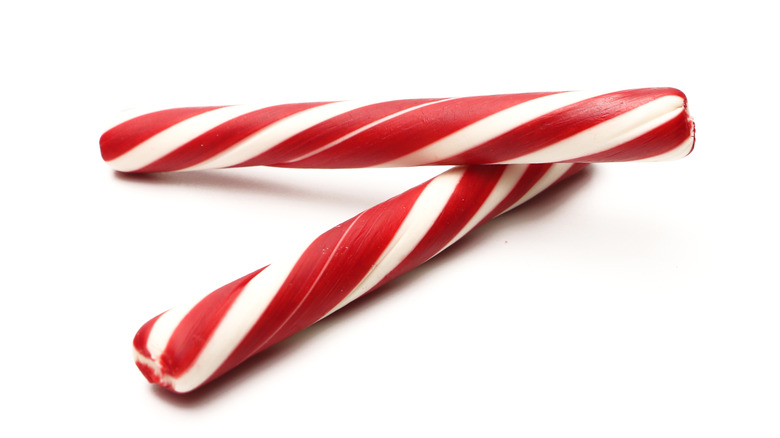
One candy that became eagerly anticipated in the Old West was the candy stick — a simple vehicle for sugar and flavor that could be tucked in a saddle bag or carried in a pocket without taking up much space. Candy sticks began appearing in mercantiles and general stores across 19th century America. Time and ingenuity would change very little about these stalwart treats.
Horehound drops
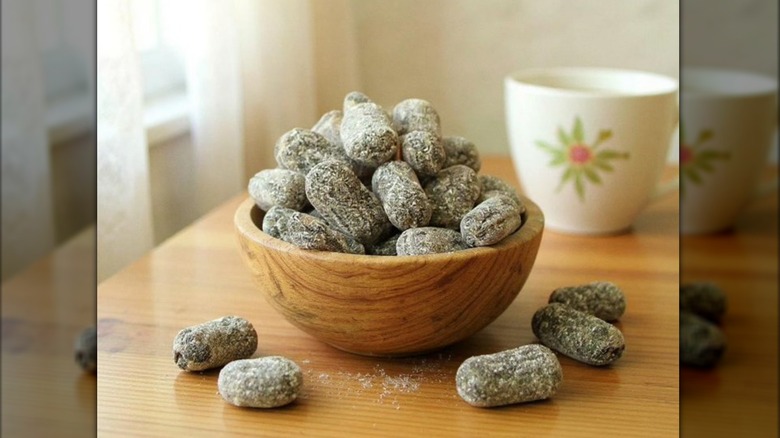
A slightly more obscure tasting treat is this slug of herb-heavy candy. Horehound was first enjoyed in North America sometime in the 16th century and soon consumed for its medicinal properties. Horehound candies taste like nothing you've ever tried before. It's been recorded that Civil War soldiers would suck on this slightly bitter candy both to settle sour stomachs and soothe dusty throats, and since many former soldiers of that war later headed out west, it's possible that some of them enjoyed it out there, too.
Taffy
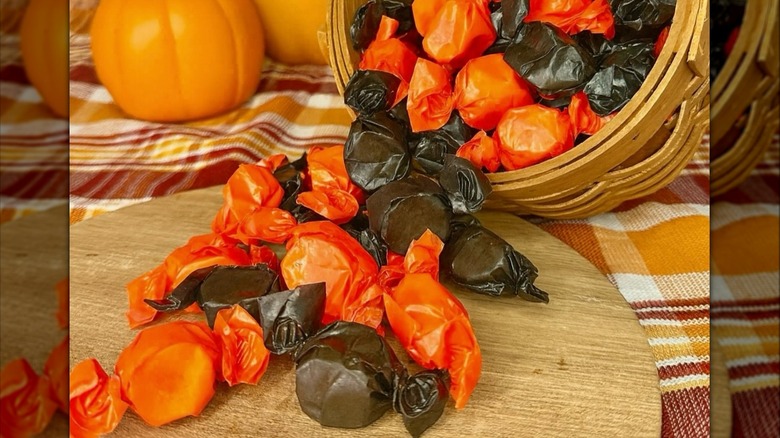
Back in the 1800s, taffy was a candy made on the frontier because it was so easy to create with supplies that were available on hand. Early recipes required only water, sugar and molasses, turning them into a relatively accessible frontier treat. Ergo, they're a likely snack for a cowboy on the go who's coming back on the trail after a stop home. Taffy pulling was popular among homesteaders, and kids gathered from miles around and piled into a kitchen to create the gooey, sweet treats.
Candy corn
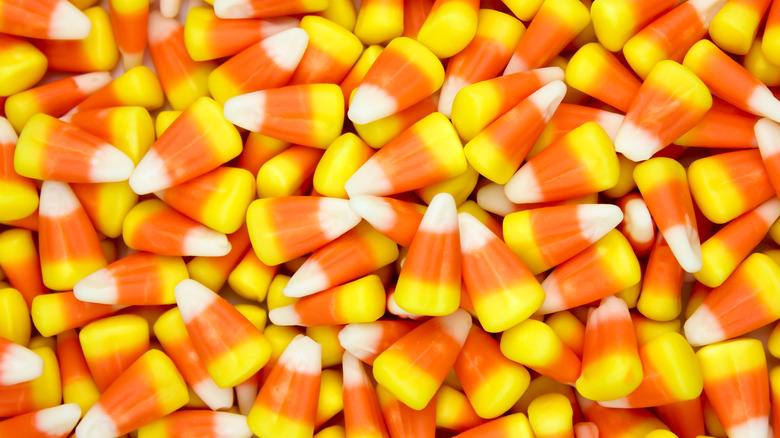
Believe it or not, the historic origins of candy corn occurred far before the founding of the American West. Candy corn was invented and popularized by George Renninger of the Wunderlee Candy Company in the 1880s. The Goelitz Confectionery Company picked up the gauntlet after that, widely distributed the treat under the brand name "Chicken Feed" in 1898. Thus, late-era cowboys might have been familiar with the sight of candy corn years before it evolved into the controversial Halloween staple that it is.
Anise drops
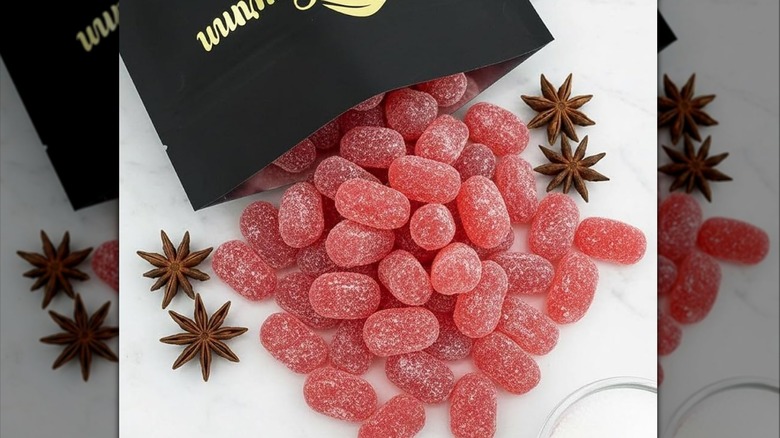
Much like horehound drops, anise drops were an early forerunner to licorice. Introduced to America in the late 19th century, they were one of many kinds of hard candy spice drops which reportedly gained popularity across the frontier. Were any cowboys lucky enough to find some in town, they could be packed away in a pocket and shared by a campfire.
Rose-flavored candy
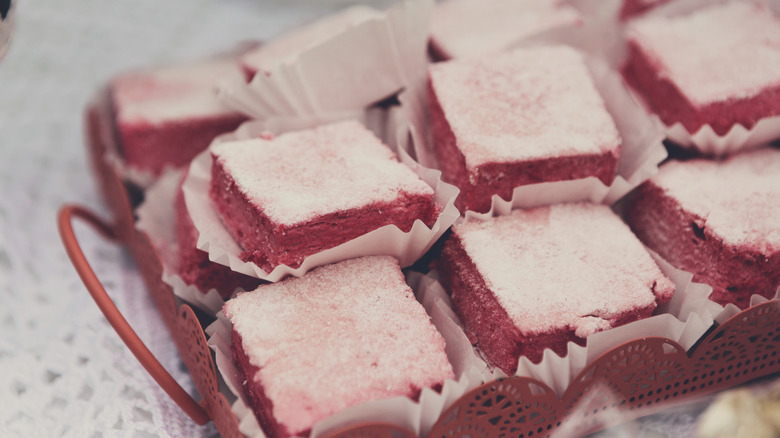
Before vanilla became a popular flavoring, rosewater was often distilled and used to perk up cakes and candies. Small panned or sanded candies called pastilles were often made of rosewater or orange blossom water, and were believed to have been sold at general stores in the American West. These would have been considered luxuries on the frontier. If a cowboy wanted something to splurge on, a fancy tin of pastille was likely the buy.
Clove candy
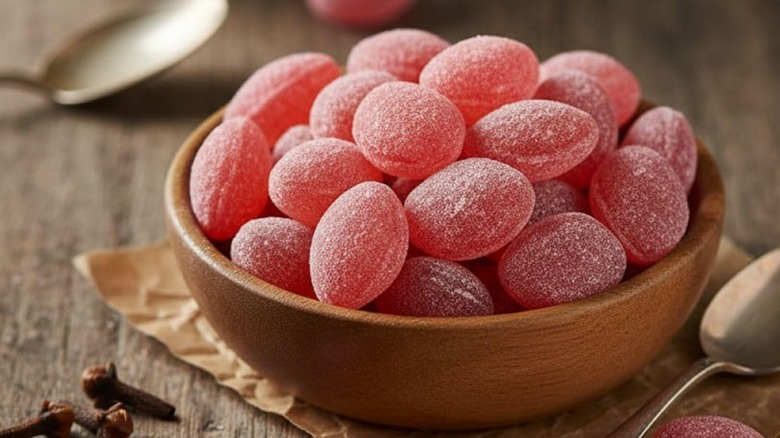
Confections made of clove are another example of the sort of hard candies that reportedly made their way into trail packs across the west. Spices were easy to preserve due to their dried nature, making them a target for flavoring food that would last a long time. Clove was, along with nutmeg and mace, one of several spices which were included in cooking, baking, and confectionary uses during the period.
Jelly beans
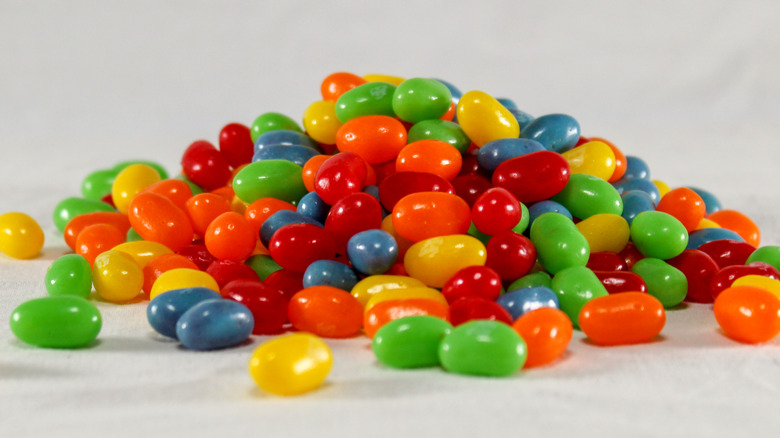
Believe it or not, jelly beans were around during the American Civil War. Candy maker William Schrafft hawked his wares by convincing families to send bushels of beans to hungry soldiers on the front. By the end of the 19th century, they were popular, much sought-after penny candies sold in general stores and mercantiles, and would likely have been found in some Old West towns, too.
Gumdrops
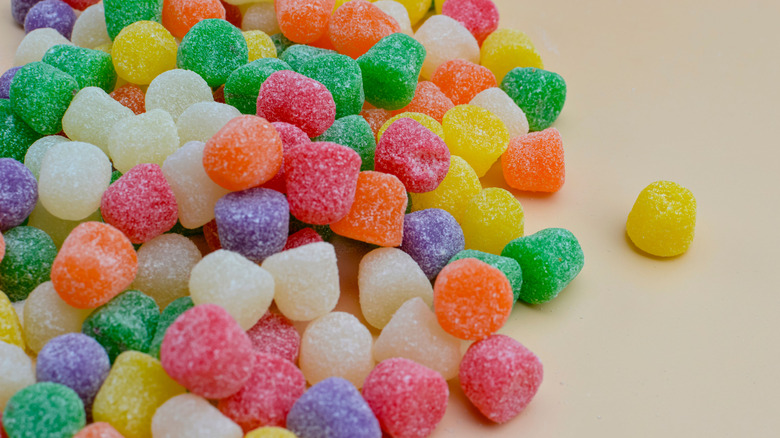
Gumdrops also have a past that dates all the way back to the Civil War. A popular treat for soldiers who might've later gone west, they evolved out of Turkish delights before standing out on their own. The sugar-dusted bit of gelled candy was also much-loved in the mid-to-late-1800s. It's definitely a popular candy that's way older than you thought.
Necco Wafers
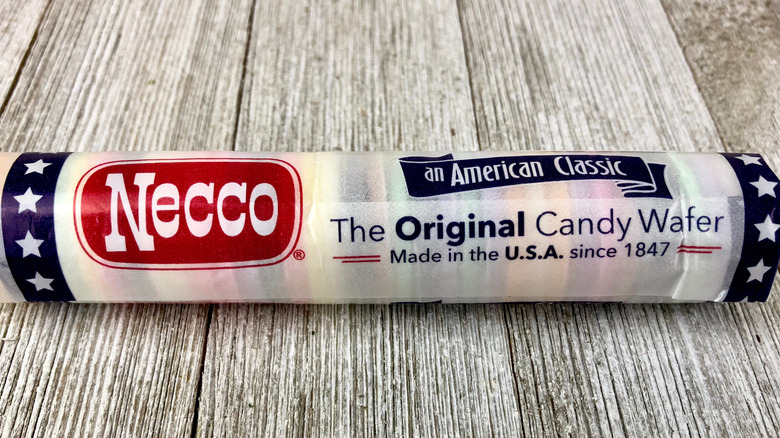
Necco Wafers were patented all the way back in 1847. Originally intended as a delivery system for medicine, the candy is chronicled to have become a popular buy at general store counters around the Old West. Another easy-to-pocket candy, the wax paper-covered disc hasn't changed much from the way they were back when they were first invented.
Sugarplums
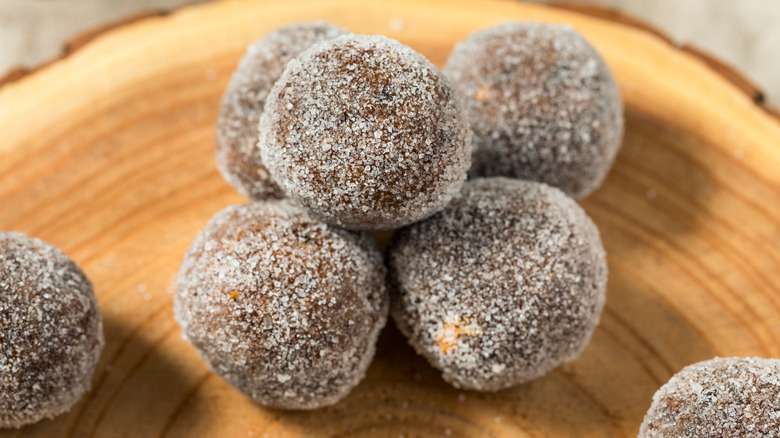
Sugarplums may have been written into holiday legend by Clement Moore in 1823, but they have a long history that stretches back to the 1600s. By the time they hit American stores in the 19th century, they were a nickname for nuts, seeds, or other centers rolled in a boiled sugar coating via a process called panning. They'd then be left to cool and dry and eaten much like a modern jawbreaker — and they are believed to have been enjoyed in frontier towns, too.
Dried fruit
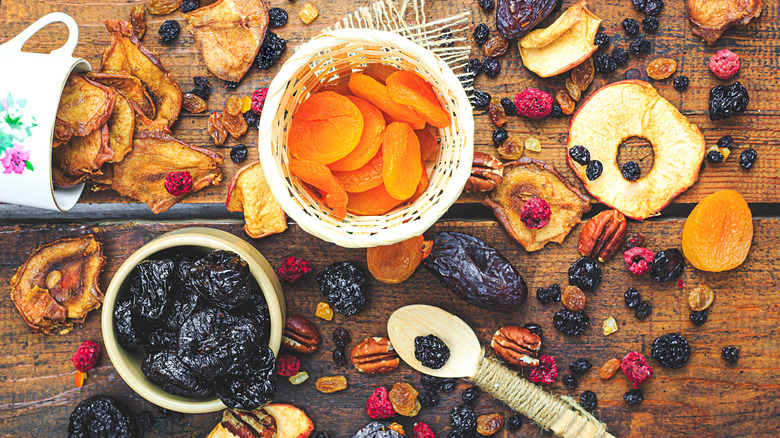
They may be considered health food these days, but back on the trail heavily sugared and syrup-preserved fruit kept cowboys alive, acting almost like a candy while providing nutrients. Typically, in order to be taken on the trail, fruit was picked from trees or bushes, laid out on blankets and allowed to dry until they were rock-hard, sometimes with an additional layer of sugar aiding the process. It was preserved in sugar syrup via a process called sugaring. The most typical foods used in this process were peaches, grapes, prunes, pears and apples.