

8 Myths Shoppers Keep Believing About Grocery Store Produce
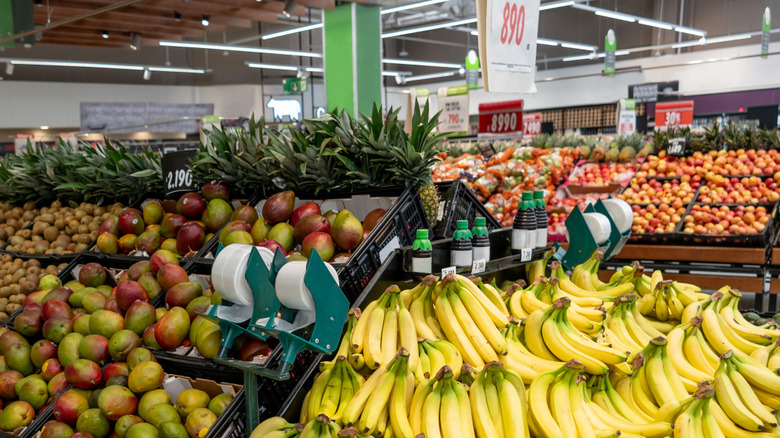
You can always stock up on pantry staples like rice, canned beans, and pasta, and freeze meat until you're ready to use it. But if there's one category of food that you likely need to buy more regularly, it's produce. After all, you want to make sure you have the freshest fruits and vegetables on hand to make wholesome meals and snacks, and while some produce can last a long time in the fridge, it can also go bad pretty quickly.
But even if you're buying produce on a regular basis, there's probably a lot you don't know about its quality, how it ended up at your grocery store, or the health risks it might pose. At the same time, you may believe some common misconceptions that affect what you buy and where you shop. Below, we're busting some of the most common grocery store produce myths so you can separate fact from fiction and make more informed choices.
Organic produce hasn't been sprayed with pesticides
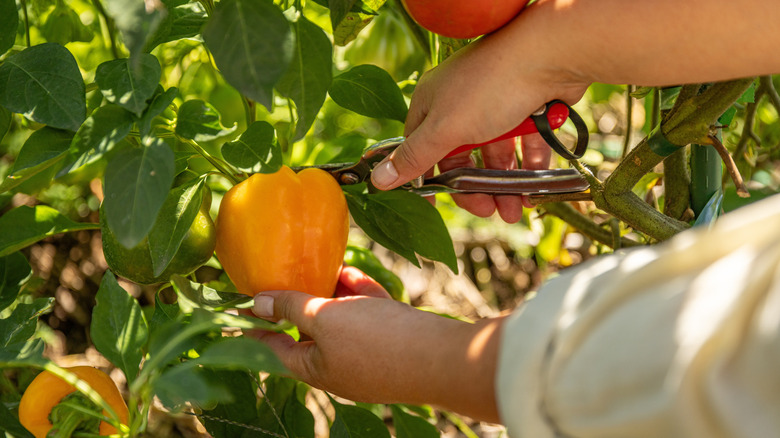
We all want to make sure we're getting healthy, high-quality food at the grocery store, which is why some consumers prefer to buy organic over conventional produce. Buying organic comes at a price, though — generally, these fruits and vegetables cost about 50% more than non-organic varieties. But if you're paying extra to completely avoid pesticides, you may want to think again. Although organic farming restricts which pesticides can be used, that doesn't mean its produce is totally pesticide-free. Some pesticides are still permitted under standards set by the U.S. Department of Agriculture.
Many pesticides used in organic farming are naturally derived, but that doesn't automatically make them safer. In fact, some natural substances can't be used in organic farming, while certain synthetic ones are permitted. Examples include copper sulfate, sulfur, and Bacillus thuringiensis (Bt). Although some of these pesticides may break down more quickly than conventional alternatives, they can still have toxic effects in certain quantities. This doesn't mean that you shouldn't buy organic — but it does mean that you might want to look beyond the label and learn what the term actually does and doesn't guarantee.
Misted grocery store produce always lasts longer
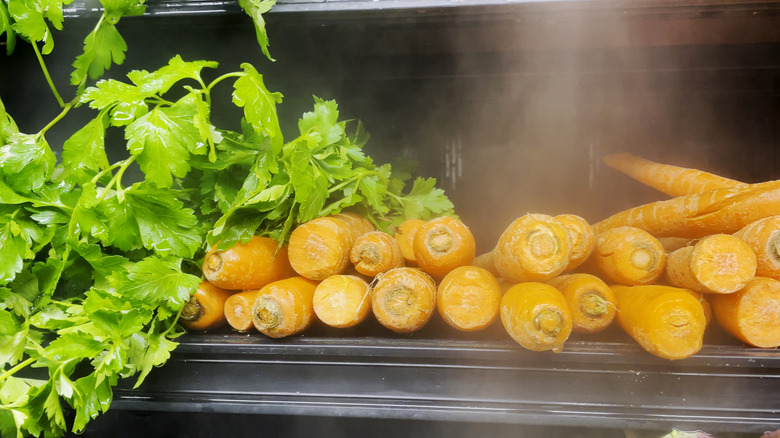
There's nothing like walking into a grocery store on a hot day and catching a bit of produce mist before heading back out into the sweltering heat. But have you ever wondered why grocery stores mist their produce in the first place?
Ultimately, it all comes down to maintaining quality — the store wants its produce to look as fresh as possible, and in some cases, misting does just that. For fruits and vegetables that quickly suffer from moisture loss, like lettuce, other salad greens, and asparagus, misting can help keep them hydrated and prevent sad, wilting leaves that lack the crunch you're looking for.
That being said, not all produce benefits from misting. In fact, some types of produce can actually spoil faster if they're exposed to excess moisture. Vegetables like mushrooms, tomatoes, garlic, and squash can start to break down if they're exposed to too much humidity, which means they may have a shorter shelf life than they otherwise would. Therefore, you'll probably want to be more selective when buying these types of fruits and veggies if you see that they're in an area of the produce section that's regularly being misted.
Bagged salad is just as good as the fresh stuff
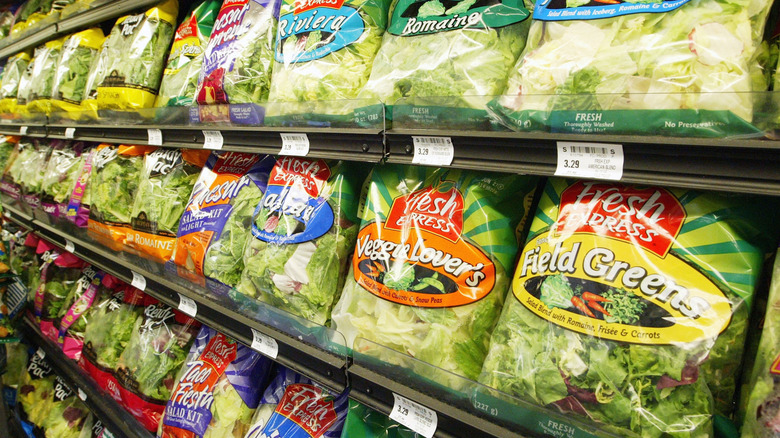
Bagged salad can come in handy when you want fresh, crunchy greens without the hassle of prep. All you really have to do is open the bag, and, if it's labeled prewashed or ready-to-eat, start building your salad — no chopping or dicing required. But it's a myth that bagged salad is just as good as whole, unprepared greens. First of all, bagged salad is typically more expensive than whole, unprepared greens, since you're paying for convenience.
But perhaps the biggest issue with buying bagged salad is the increased risk of contamination that comes with processing fresh-cut produce. In fact, leafy greens have been repeatedly linked to foodborne illness outbreaks in recent years. Pathogens like E. coli are of particular concern for all leafy greens, but cutting and processing the produce creates additional opportunities for contamination and cross-contamination.
Cooking greens thoroughly can reduce the risk of foodborne illness, so a bag of kale destined for a batch of soup is a different proposition from salad greens you're planning to eat raw. If you want to minimize the risk associated with fresh-cut produce, whole, intact greens are the safer choice.
Grocery store produce is all freshly picked
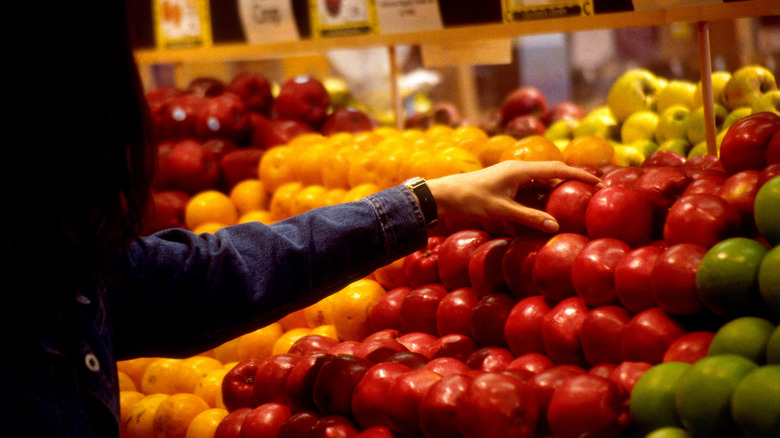
You might assume that the produce you buy at the grocery store was picked relatively recently, but that's not always the case. Nobody likes the idea that the food they're buying is weeks or months old, but when you're not buying directly from the source, it can be hard to determine exactly how old the fruits and vegetables on the shelves actually are.
For example, lettuce is a vegetable you would think needs to be sold relatively fresh. In reality, it's often one to four weeks old by the time you purchase it from the store. Tomatoes can be up to six weeks old, while some potatoes and apples may have been harvested as long as a year earlier.
If you really care about freshness, it might be better to connect to a local farmer, shop at a farmers market, or join a co-op to ensure that you're getting produce that's been picked more recently. Otherwise, as long as the food you buy is safe and tastes good, you might consider that extra time on the shelf irrelevant.
Pre-cut produce is just as good as whole
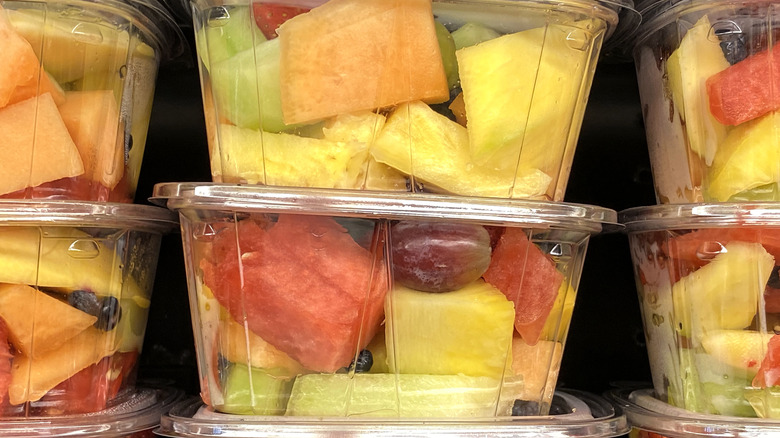
We're not ones to knock convenience — there are occasions when using pre-cut produce simply makes sense, like when you're pinched for time but you don't want to spend money on takeout. It can also make cooking more accessible for people who are unable to spend long periods working in the kitchen. However, if part of your reasoning for buying pre-cut fruit and vegetables is that you believe their quality is comparable to that of whole produce, you might want to think again.
The problem is that pre-cutting produce can affect both its shelf life and its safety. Once fruit and vegetables are cut, the exposed flesh is more vulnerable to contamination, and some types can lose moisture or deteriorate more quickly. Cut cantaloupe, for example, can be particularly risky because the textured exterior of the fruit can easily harbor pathogens. Cucumbers can also lose moisture quickly once their skin has been removed, while pre-cut apples and mushrooms can brown rapidly.
Pre-cut produce can still be a practical option when convenience or accessibility matters, but whole fruits and vegetables generally stay fresh for longer and give you more control over how they're handled.
Local produce comes from nearby
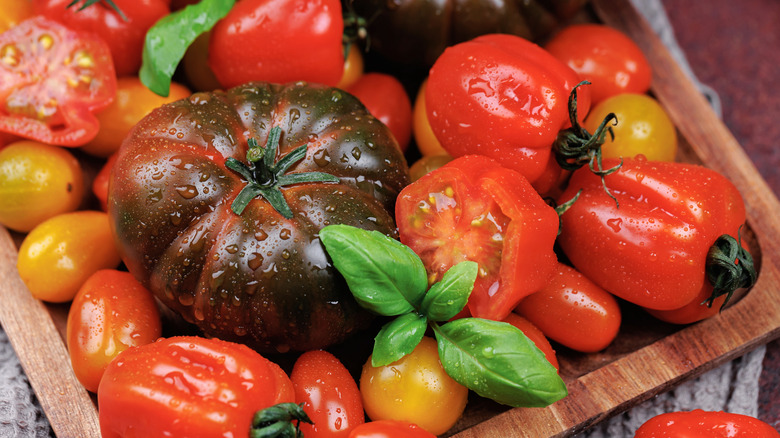
For all of those people who prioritize freshness, the idea of buying local is an appealing one. Wouldn't you prefer to get your berries or carrots from a supplier down the road instead of a nameless producer located days or weeks away? When you see the word local in your grocery store's produce section, you may feel a sense of ease, but it turns out that there's no single legal definition of what "local" actually means.
So, "local" produce could be grown at a farm five minutes away, or it could come from hours away in a totally different part of the state. In fact, some items may even be grown out-of-state and then processed in-state so they can still be marketed as local produce.
If you're truly interested in buying your produce from somewhere closer to home, your best bet is to head to a local farmers market and ask around to find out where the food is coming from. Just be sure to check out Tasting Table's farmers market tips before you go.
Grocery store produce is generally pretty clean
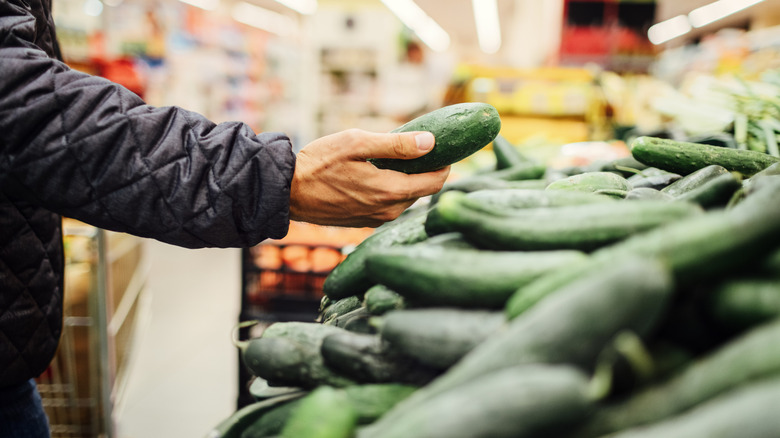
When you walk into a grocery store, you expect it to be clean. But that doesn't mean the produce is, too. Grocery stores rarely wash their produce before putting it on display, and while some fruits and vegetables may be washed before leaving the farm, they're handled by plenty of people before they make it into your cart. That's why you should wash fresh produce before eating it or using it in a recipe.
So, exactly how should you wash your fresh produce? The best way is to simply rinse it under running water while rubbing the surface with your hands. You can also submerge and rub the produce in a clean bowl, but try to avoid filling the sink with water and washing it there. There are some exceptions, though. Pre-washed greens, for example, don't need to be washed again, and doing so can actually increase your risk of contamination if they come into contact with contaminated hands, utensils, or surfaces.
The freshest produce is always at the front of the display
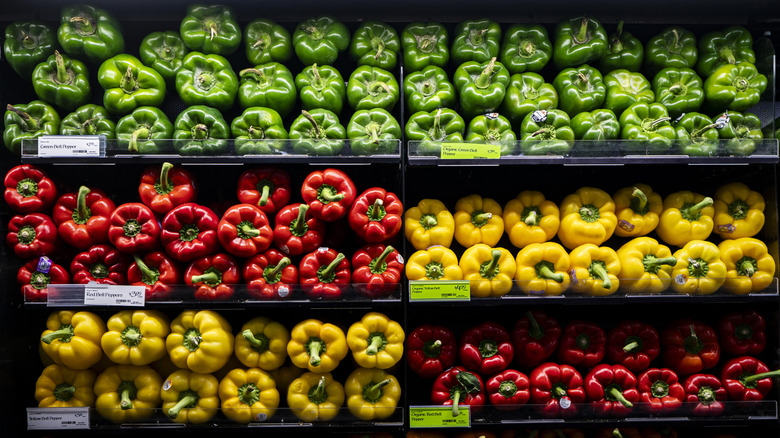
When you're shopping for produce, you probably want to find the freshest fruits and vegetables available. And you may assume that the most recently delivered items are always displayed at the front, where they're easiest to find. But the grocery store's incentive isn't necessarily to put newer stock at the front of the display — it's to sell as much produce as it can while minimizing waste and write-offs.
In reality, grocery stores tend to stock newer items at the back of a display. That way, customers will grab the produce that's going to go bad faster while the more latest stock sits on the shelf until the next delivery comes in. At that time, the newer stock will be moved toward the front, and the cycle repeats.
This isn't always a bad thing, as the most recent delivery of produce may not be at its best just yet. For example, the newest avocados may still need time to ripen, while those that have been waiting on the shelf for a while may be ready to eat. However, if you're dedicated to finding the newest produce at the store, you should be looking near the back of produce displays.