

What Greeks Ate And Drank During The Age Of The Odyssey

Food plays a large but misleading role in "The Odyssey." On one hand, the hero of the story, Odysseus, relies heavily on the hospitality of strangers around the Mediterranean to feed him on his 10-year journey home. Descriptions of feasts and more humble offerings are plentiful, and serve as shorthand for economic status and generosity. On the other hand, Homer's epic poem, which was passed down orally through generations and committed to text at some mysterious point several centuries later, comprises about 600 years of culture, from around 1400 when the story is set, to 700 B.C.E. As such, the descriptions of food are not always contained to the Bronze Age setting.
To get a more fact-based perspective on what Greeks were eating during the period that "The Odyssey" depicts, we spoke with two experts, Dr. Sean Corner, dean of the faculty of humanities and associate professor in the Department of Greek and Roman Studies at McMaster University in Ontario, and Dr. Shelby Brown, an archaeologist and the senior public programs specialist at the Getty Villa museum in Los Angeles. Both stressed the ambiguous relationship between history and fiction in Homer's work, and even in Homer himself. According to Corner, there is no consensus about whether the celebrated author was, in fact, a single person or many, and we don't even know when he or they lived. Thanks to many centuries of scholarship, however, we do know quite a bit about what Greeks were eating around the time the story is set.
Bread and porridge

Just like today, bread was a staple food item in the Bronze Age Greek diet, but it rarely resembled the white, pillowy loaves you might find packaged in plastic at the supermarket. "Einkorn and emmer wheat (in a form hardly recognizable today) were the essential ingredients," Shelby Brown explained, adding that refined wheat flour, which rises more readily, was the most prized and exclusive form of grain, reserved for the wealthiest members of society. According to Sean Corner, grain was one of the three staple elements of a Greek meal, along with fish, meat, or vegetables, and wine. Wheat bread was favored among the upper classes, while the poorest families were limited to barley porridge.
Bread is mentioned dozens of times in "The Odyssey," sometimes when Odysseus is being fed generously by his many hosts and sometimes when the suitors who are trying to take his place as the King of Ithaca are taking advantage of his wife Penelope's reluctant hospitality. Sometimes they are described as being served in breadbaskets and were, according to Brown, likely risen bread rolls. Flatbread was probably also on offer, though it would have been less desirable, even for a weary traveler like Odysseus.
Wine mixed with water
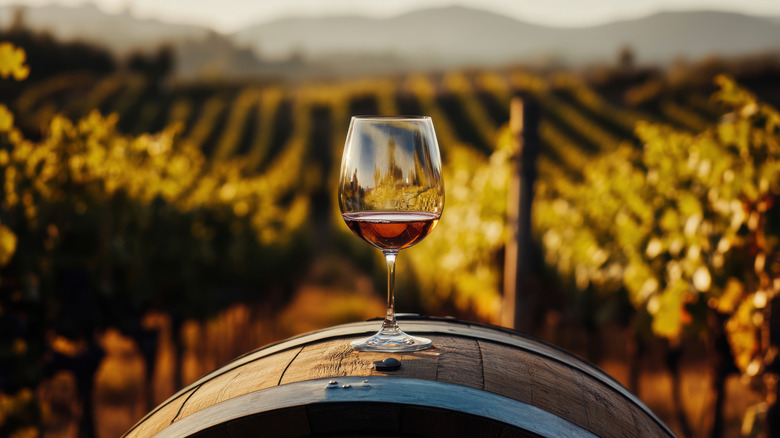
Alongside bread, "The Odyssey" is full of references to wine — sparkling wine, dark wine, sweet wine, honeyed wine, wine served in jars, bowls, and golden cups. Wine was a staple for the Greeks, partly because it was easy to make and partly because the alcohol was safer from bacteria than fresh water. However, they made sure that they were not in a constant state of inebriation.
"The Greeks drank their wine mixed with water, to moderate and harness its intoxicating effects," Sean Corner explained. "They regarded drinking undiluted wine — which was liable to produce violence and disorder — as a savage practice." In "The Odyssey," this is illustrated when Odysseus gives undiluted wine to his cyclops captor, Polyphemus, in order to escape. The cyclopes live a pastoral life, Corner noted, drinking milk instead of wine, a preference that served as a marker of a primitive society.
For the most part, wine in "The Odyssey" is imbibed during meals and mixed with water, as was customary. As Corner explained, it is also invoked as a way to distinguish between the wealthiest of Odysseus's hosts. The mention of wines from specific regions suggests that, even then, the drink could be a luxury commodity as well as an everyday staple.
Olives and olive oil
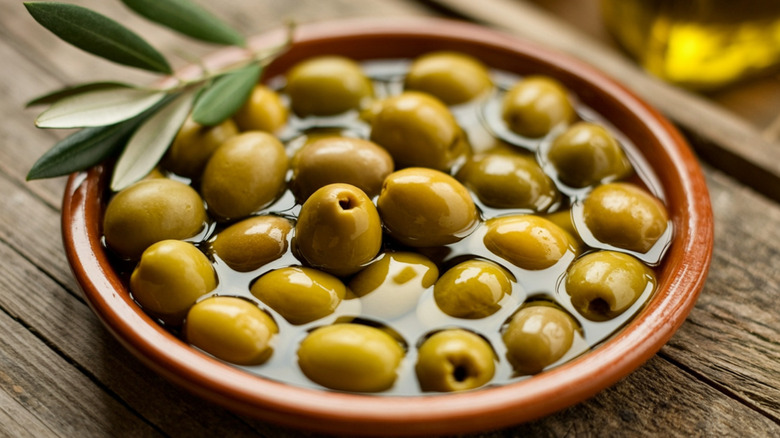
Olive oil is all the rage these days, thanks to the popularity of the Mediterranean diet. It turns out that Bronze Age Greeks were pretty bullish about it, too. "Olive oil was crucial ... for cooking, as a condiment, as ointment, and as fuel for oil lamps," Sean Corner explained, though Shelby Brown noted that it is unclear how accessible it was outside of the elite classes. Most of the references to olives in Homer's epic poem refer to the tree itself, whether as a material for making furniture and tools or as a place of shelter, shade, and scenic beauty.
Olive trees have been cultivated in Greece since at least 2,000 B.C.E., and they were a cornerstone in Greek mythology. One famous story tells of the goddess Athena planting an olive tree on the Acropolis. As a cooking ingredient, olive oil was a valuable multitasker in Ancient Greece, used for marinating meat and vegetables, cooking, and conserving ingredients. Interestingly, animal fats were not used for culinary purposes at the time, making olive oil the primary option.
Milk and cheese

Dairy played a very different role in Bronze Age Greece than it does today. Without modern refrigeration or transportation, milk was only available to farmers and shepherds who raised milk-producing livestock and to the wealthy, who could pay a premium for its swift delivery. In "The Odyssey," it symbolizes a lack of cultivation rather than a high social status, at least for one of the characters that Odysseus meets on his journey. The cyclopes do not make wine, but instead raise sheep and drink their milk. This, Sean Corner noted, delineates them as primitive and uncultivated, even though their island is abundant with food.
Cheese was a more accessible item for Ancient Greeks because it could be stored longer than milk. Greeks have been making cheese since 3,000 B.C.E., long before the era when Odysseus's famous journey is set. It was primarily eaten with bread for a light meal or with honey and fruit after a meal.
Despite the negative connotations of the cyclopes' pastoral lives, the description of the cheese that they made may have contributed to the stellar reputation of Sicilian cheese later on. Although their island was unnamed in the poem, it was later identified as Sicily. Interestingly, butter was not part of the Bronze Age diet in Greece. Given the hot climate, it was not as shelf-stable as cheese. Instead, olive oil served as the fat of choice.
Beef
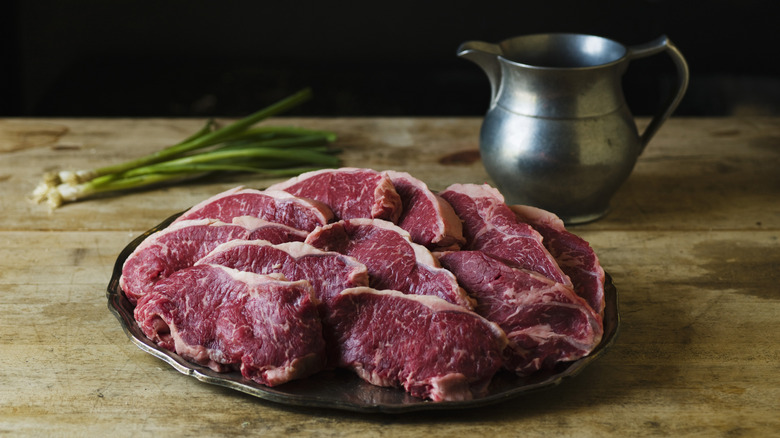
Meat is the most notable deviation in "The Odyssey" from historical realism, at least as far as food is concerned. The poem is full of descriptions of meat piled high on platters, a seemingly endless feast available to the wealthy elites. In reality, as Sean Corner told us, "Most people in antiquity would not have eaten meat frequently, and at least much of the time the supply of meat from domesticated farm animals would have come from sacrifice." Within these sacrificial feasts, meat was symbolic of the group's devotion to the gods and the culture of sharing within the community. It was not an everyday staple, even for royalty.
This is particularly true of beef. As Corner noted, cattle were expensive to raise in the arid climate of the Mediterranean, and they were just as valuable when pulling a plough as they were when presented on a platter at a meal. The sheer volume of meat depicted in "The Odyssey" isn't just an incidental inaccuracy, though. It is, Corner said, "a feature of the mythical imagination, going beyond historical reality to represent the protagonists as heroes, superhuman, capable of lifting boulders 'which no two men now alive could lift.'" Beef was an occasional luxury tied to sacrificial feasts in Ancient Greece, and anyone listening to the tale of Odysseus at this time would have understood its symbolic, fantastical function in the narrative.
Mutton and lamb
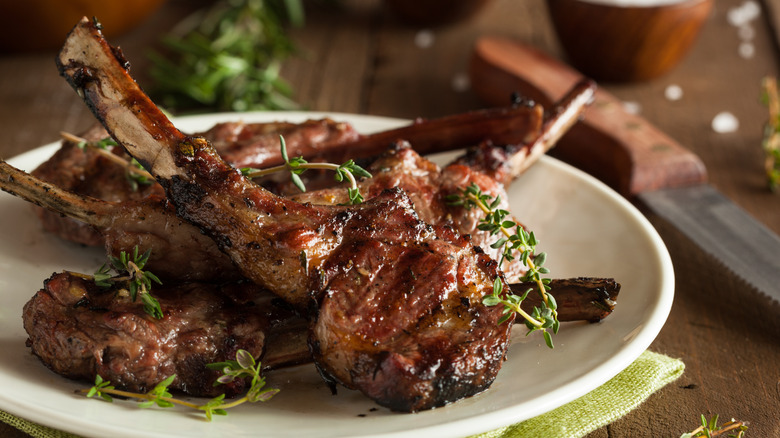
Sheep were a more affordable and, therefore, more popular sacrificial animal in Bronze Age Greece. As Shelby Brown told us, sheep and goats were the most common meat consumed by the Greeks at this time, and the most accessible for the lower classes, some of whom were shepherds and could use their own flocks for meat. In 'The Odyssey,' sheep are mentioned as food on multiple occasions, but they play a more famous role when the hero tethers himself to their underbellies to escape the blinded cyclops Polyphemus.
As is the case today, the tender meat of lamb was preferred to the meat of an older sheep, but it wasn't nearly as economically savvy to slaughter such a young animal. Like most livestock, sheep were valuable commodities when alive, producing not just milk (and, therefore, cheese), but also the ever-essential wool. As a result, many sacrificial feasts featured an elderly sheep as its centerpiece, even if a lamb would have been preferable from a culinary standpoint.
Fish
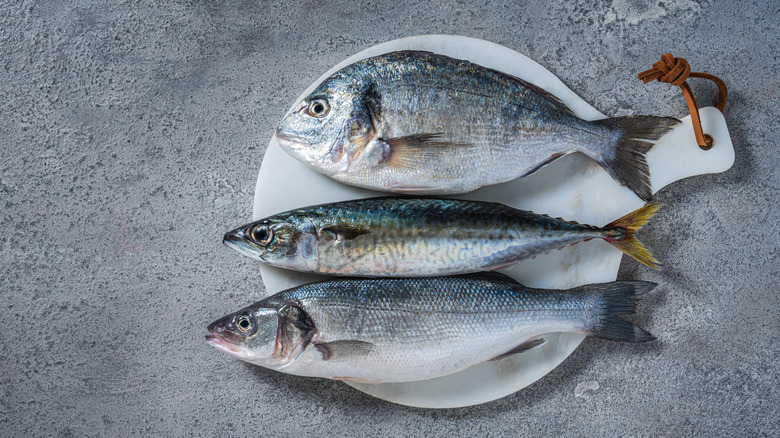
"When it comes to food [in "The Odyssey"]," Sean Corner told us, "The most famous observation that has been made is that the heroes are always — or almost always — depicted as eating meat, never fish." This is notable, he continued, because they are conspicuously living by (and sometimes on) the sea, and "practically speaking, in any corresponding reality, could not have neglected the sea as a food source."
So, while you might not know it from the poem, Greeks during the Bronze Age were certainly eating a lot of fish. Fishing was accessible to everyone, after all, which made it an egalitarian source of protein, though accounts vary about how plentiful the supply was.
It is hardly a surprise that, in a poem that holds up its heroes to be superhuman, fish would be left off the menu. It only appears briefly when, in Book 12, a desperate Odysseus and his men are forced to fish for their meal. In reality, fish was a foundational ingredient in the Greek diet, so much so that Archippus, the poet living around 500 B.C.E., penned a play called "The Fishes," which featured a piscine chorus.
Pomegranates
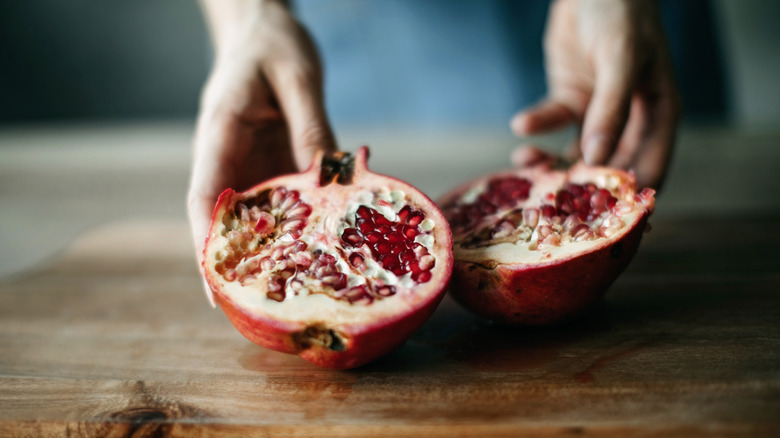
In Book 7 of "The Odyssey," Odysseus is welcomed onto the island of Phaeacia, where he marvels at the beauty of the overflowing, ever-fertile palace garden. As Shelby Brown told us, this section of the poem gives the reader a greater sense of which foods were considered luxuries, particularly when it comes to fruit. In that mythical palace garden, olive trees and grapevines grow year-round, while apples ripen to gold, figs overflow with juice, and pomegranates glow red. The description might be fanciful, but the fruit itself was not. Pomegranate juice was used widely in Ancient Greece, both for culinary purposes and for medicinal ones.
That said, its symbolism may have been more important than its real-world applications. Greek mythology is full of tales that feature the ruby-red fruit, including Persephone's ill-fated journey to the Underworld. It was the sacrificial food of choice for several goddesses, which further elevates its status, even compared to the other fruits growing in the Phaeacian garden.
Figs
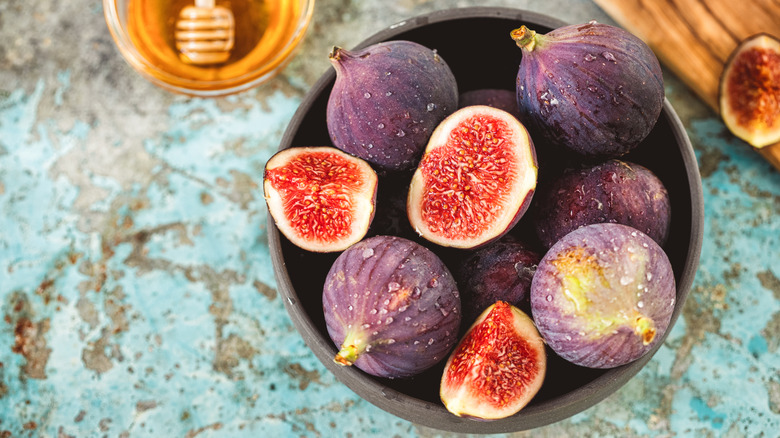
Another one of the fruits that adorn the palace gardens in Phaeacia in "The Odyssey," figs were a popular food in Ancient Greece, so much so that there were many different words for various varieties. Wild trees were distinguished from cultivated ones, male from female. Figs were not just enjoyed when they were at peak freshness, the way they are described in Book 7 of Homer's poem. They are easily preserved through drying, a process that turns them into a deliciously sweet snack that can be enjoyed at any time of year. Meanwhile, the sap from fig trees was used instead of rennet to curdle milk into cheese, one of the Greeks' staple food items.
Dried figs were often flattened into cakes, mixed with flavorful ingredients, such as fennel, and eaten for tragemata, the dessert part of the meal. Fig leaves were also employed for culinary purposes, including to wrap fish and meat for cooking. Like olive trees, fig trees served many purposes.
Honey

Cane and beet sugar might be the most popular sweeteners in our modern culinary world, but back in the Bronze Age, even the wealthiest Greeks would not have had access to granulated sugar. For them, honey was the go-to sweetener, and they used it extensively. It was mixed into medicine as well as food, and it was added to wine and milk. Honey collectors harvested the precious ingredient from wild and cultivated hives, often using smoke to subdue the stinging insects. As a result, the golden sweetener would usually have a smokey flavor.
These days, buying honey can be a headspinning process, with seemingly endless categorizations, certifications, and uncertainties about purity. The Ancient Greeks would have had fewer variables to consider, but one that remains the same is the origin. Today, you could spend quite a bit of money for the particular taste of Scottish heather honey or Manuka honey from New Zealand. In Ancient Greece, the most desirable honey was harvested on Mount Hymettus, whose flowers lent a distinctive taste of thyme to the sweetener.
Lentils
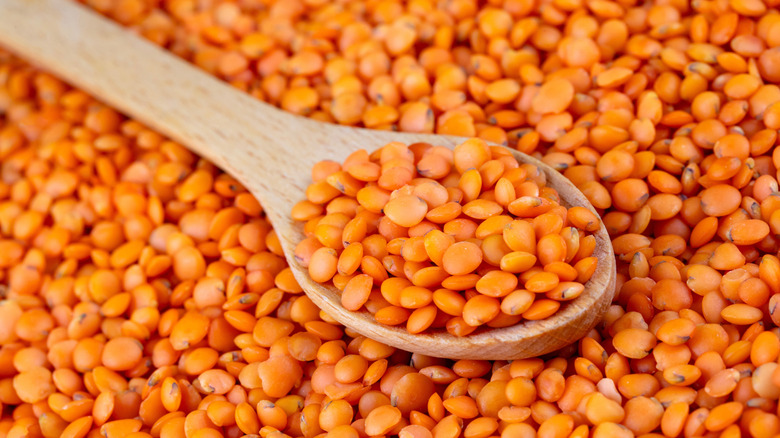
You might not hear them name-checked in any version of "The Odyssey," cinematic or otherwise, but according to Shelby Brown, lentils were one of the key elements of a Bronze Age diet in Greece. It makes sense. Lentils are packed with protein and fiber, making them a nutritionally well-rounded ingredient. At a time when meat was a luxury, this humble legume was a much-needed centerpiece around which to build a nourishing meal. They were also ancient, even to the Ancient Greeks.
Wild lentils had been gathered in the region since at least 10,000 B.C.E. and cultivated there since 6,000 B.C.E. By the time the Bronze Age rolled around, they were anything but a novelty. The most popular preparation for lentils was a soup called phake. It was usually simple, sometimes as simple as boiling the lentils and calling it a day. Other variations included vinegar, sumac, or barley, though anything more adventurous was frowned upon. Like bread or white rice, lentils were better served without pomp and circumstance.
Grapes
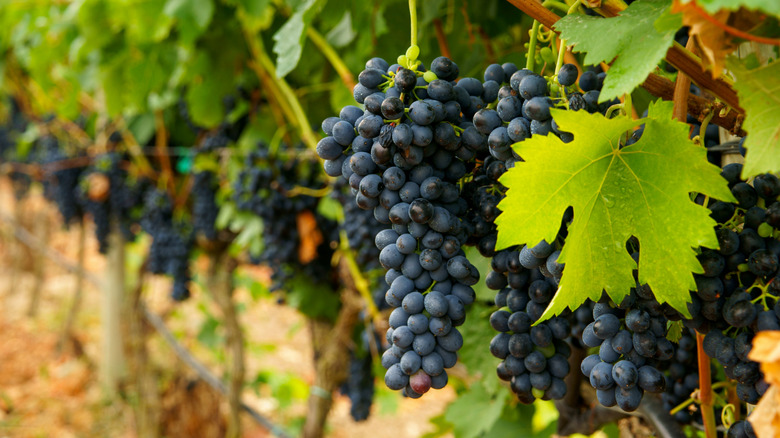
Not all grapes were cultivated for wine in Bronze Age Greece, even if wine was much more important at mealtime than the fruit itself. The alcoholic beverage was initially made with wild grapes, and even after the cultivation of grapevines became widespread, wild varieties were still used extensively for medicinal purposes. Dried grapes (otherwise known as raisins) were also given to sickly people.
As both Sean Corner and Shelby Brown noted, "The Odyssey" is full of descriptions of wine. This variation is notable, because there is quite a bit of repetition in the poem's descriptions of everything from characters to sunrises. Corner pointed out that the mentions of wine from specific regions suggests that the beverage was a luxury item based on the type of grape from which it was made.
Grape cultivation was already highly refined and sophisticated by the Bronze Age, with growers selecting and crossing varieties based on climate, soil, and usage. Certain varieties were grown specifically for selling as fresh grapes, while others were grown to be dried. There were likely thousands of varieties in Ancient Greece, many of which no longer exist.
Apples
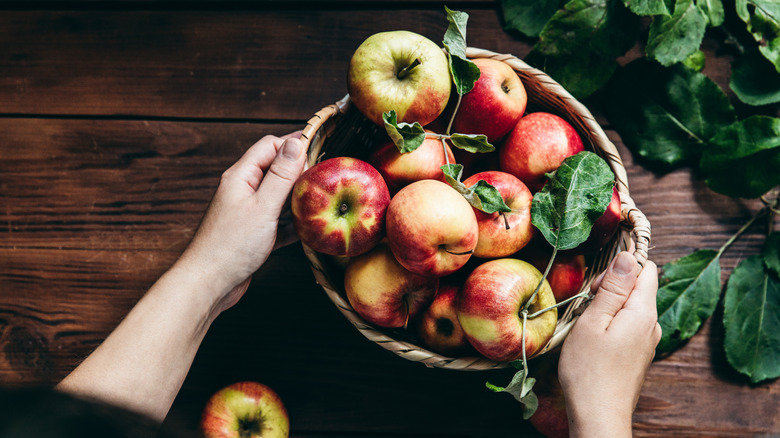
In the passage in Book 7 of "The Odyssey" in which Odysseus beholds, with wonder, the bountiful gardens of Phaeacia, the apples are described as ripening to gold. In reality, Greeks were cultivating apple orchards widely, not just in the rariefied climes of island palaces but in humble regions as well. Interestingly, however, it may be that this cultivation didn't start until around the time the poem was composed, about 700 B.C.E., rather than when it was set several centuries earlier. As such, apples could be a conspicuous food-related anachronism in the story, though it is true that the fruit had been growing wild for millennia before then and cultivated in other regions.
Like other fruits, such as dried figs, apples were often included in the dessert part of a meal. However, the fact that they were often served dried rather than fresh suggests that they may have been significantly more sour and bitter than the ones we eat today. The apples Odysseus gazed upon in the gardens of Phaeacia may have looked nice, but they probably would have made him grimace if he'd taken a bite.