

This Versatile Veggie Is A Southern Staple And Is Perfect To Start Growing In July
By midsummer, it's easy to assume planting season has come and gone, leaving a string of missed veggie opportunities in its wake. But okra is one Southern staple that's far from being done for the season. When July and August temps rise, the heat-loving okra plant flourishes — so don't put aside those digging tools and fertilizers just yet. You can still plant okra for plentiful returns this season and into the next.
As part of the mallow family, okra plants grow tall and sturdy, producing hibiscus-like flowers that bloom before quickly falling away, making room for the slender pods known as "lady's fingers." If possible, it's best to plant the seeds in warm soil – at least 70 degrees Fahrenheit – making July a perfect month to get them in the ground. They generally need about 60 to 70 days to reach ideal tenderness, meaning you could be frying, pickling, and stewing these little beauties by September and into autumn, depending on local temps and first frost.
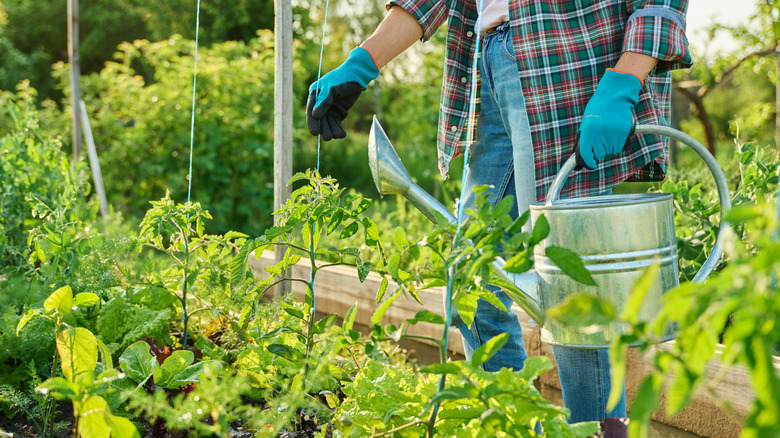
If you're ready to give the versatile, prolifically producing okra plant a chance in your garden, its important to consult regional planting calendars if you live in cooler growing climates. Otherwise, it's a pretty straightforward journey from garden to kitchen. Experts and okra-loving gardeners recommend giving germination a head-start by soaking the seeds overnight in water. Then choose a bright, sunny spot, and plant them about 3/4 inch deep and 9 to 12 inches apart. To keep your okra thriving, mix compost or other organic matter into the soil before planting, provide about an inch of water each week, mulch to retain moisture, and harvest pods often while they're still young and tender, usually when they reach 2 to 4 inches long.
Cooking with your okra bounty
There's nothing better than reaping the rewards of your labor, especially when it involves a curious, multi-faceted vegetable like okra. By bringing these pods inside, you'll be tapping into a history dating back to the early 1700s, when okra arrived in America. There, African and African American culinary traditions merged to create some of the okra-centric dishes we know and love today.
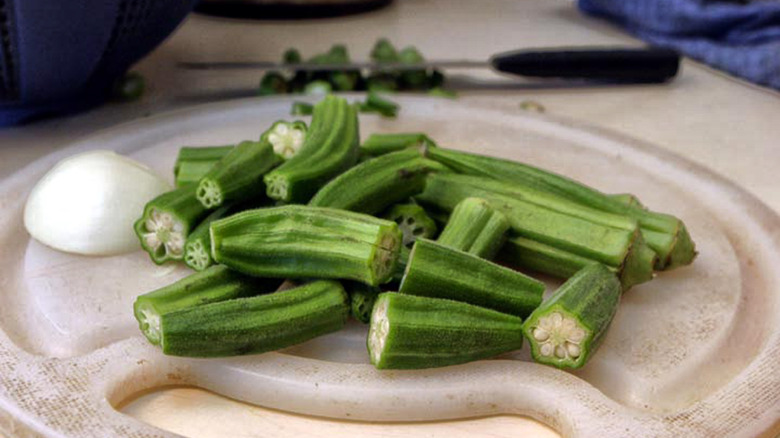
One of the most deeply Southern treats appearing on countless restaurant menus and supper tables is fried okra. My Mississippi grandma often let me pick okra from her garden and help slice the pods before she dipped them in a seasoned cornbread and flour mixture and cooked them in a cast-iron skillet until they were tender, golden, and crispy. You'll find a similar method in our pan-fried okra recipe. Those crunchy morsels routinely show up at Southern cookouts, but just as often appear on a plate beside fried chicken, pork chops, barbecue, or traditional Southern veggie plates.
Pickling okra is an way easy way to ensure no okra goes tragically uneaten. Many recipes call for fresh dill or dill seeds to brighten the tangy vinegar brine, while hot peppers add a surprising kick. Then there's the famed queen of okra cooking, Louisiana-style Cajun or Creole gumbo. Some recipes today leave out okra because of its inherently slimy, slow-boiled texture, but traditional versions almost always include it for the flavor and as a thickening agent due to its viscous texture. Sliced okra simmers in the pot alongside seafood, sausage, veggies, and sometimes chicken, with differing recipes adding varying amounts of other thickeners such as filé powder or a deeply browned roux.
For a deeper dive into the versatile world of okra, check out our nine okra recipes and these 12 tips for cooking with okra.