

Why Washing Coffee Grounds Down The Drain Is Such A Bad Idea
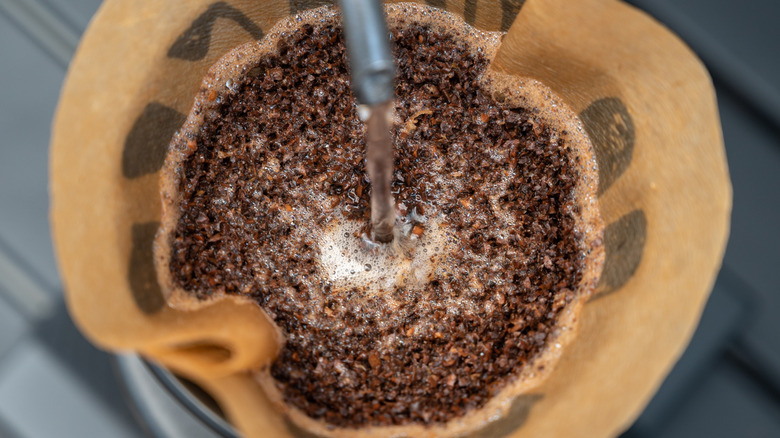
After brewing a hot pot of aromatic coffee to jumpstart your day, it seems perfectly natural to rinse the soggy, spent grounds into the sink, then continue on your merry way. Ground coffee granules are tiny, soft, and already soaked with water, so surely they can travel carefree through the plumbing in your kitchen, right? Unfortunately, it's not that simple. While they seem to whoosh innocently away, they're really only relocating, eventually morphing into a big clump of trouble.
That's because coffee grounds don't dissolve as they move through a drain, instead remaining solid, collecting inside the plumbing, and mingling with grease, soap, and other debris. When constantly repeating the habit of dumping grounds down the sink, all the new particles add more layers of buildup until a slow drain develops — then a gnarly clog. It's also important to never put coffee grounds down garbage disposals, since they'll still never become water-soluble.
Nonetheless, it does create extra time and effort on your part to dispose of the daily rubble left in your coffeemaker. The most obvious solution is to toss the wet clumps into a trash can, but recycling is also a viable, eco-friendly option. The Environmental Protection Agency classifies coffee grounds and paper filters as nitrogen-rich "green" materials suitable for a backyard compost pile, and you can also add grounds to a worm-composting bin. But you'll still need to mix them with other ingredients instead of dumping them into a thick heap. A generally accepted guideline, especially if you'll be using the pile to nourish your garden, is for used coffee ground to make up a maximum 20% of a compost pile. Apart from the trash or compost bin, plenty more ways exist for giving those grounds a second life.
Intriguing ways to repurpose used coffee grounds
It's a widely accepted practice to incorporate used coffee grounds into a garden, where they can help fertilize the soil by adding valuable nutrients, minerals, and nitrogen, plus act as a natural pesticide for keeping pesky bugs and critters at bay (which, by the way, works for indoor plants as well). But those same used coffee grounds can weave earthy magic in myriad ways.
In the kitchen, the grounds add extra flavor to roasted vegetables and can be blended with salt and other seasonings to make a bold rub and tenderizer for beef, pork, or ribs. Some home cooks even stir a small amount into chocolate cakes or other rich desserts for complexity and deeper flavor. After thoroughly drying the grounds, you can also place them in an open container in the refrigerator or freezer to absorb unwanted smells. And their coarse texture makes them a useful scrubbing material for cleaning cookware, kitchen utensils, and sinks, helping to loosen stuck-on food and stubborn buildup (just be sure to wipe the grounds up with a wet paper towel before they go down the sink drain).
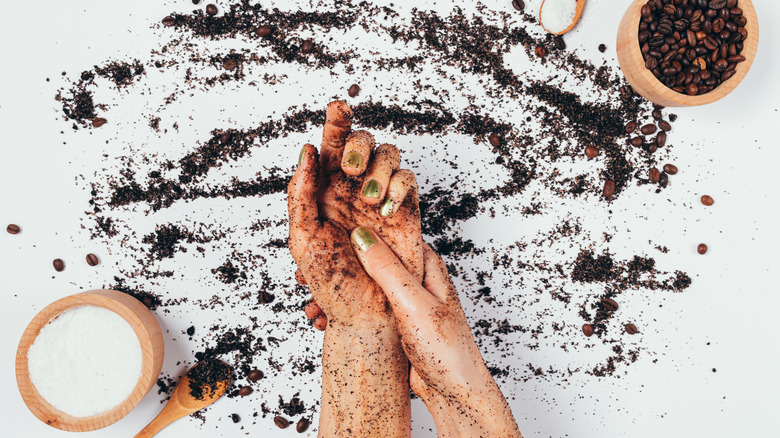
Veering outside the garden and kitchen, the slightly rough texture of ground coffee makes it popular for homemade body scrubs when combined with a bit of honey or skin-friendly oils — though some experts note they're less than ideal for sensitive skin or on the face. Crafters and artists incorporate them in creative areas such as dyeing fabric, paper, and yarns, or adding sepia tones or thickness to paints. When all is said and done, there's really no reason to dump soggy, spent coffee debris down the drain — and lots of reasons to give them second lives. If you do end up with a clogged sink, check out these major mistakes to avoid when cleaning your kitchen drains.