

2025 Vs 2026: How Costco Beef Prices Have Changed
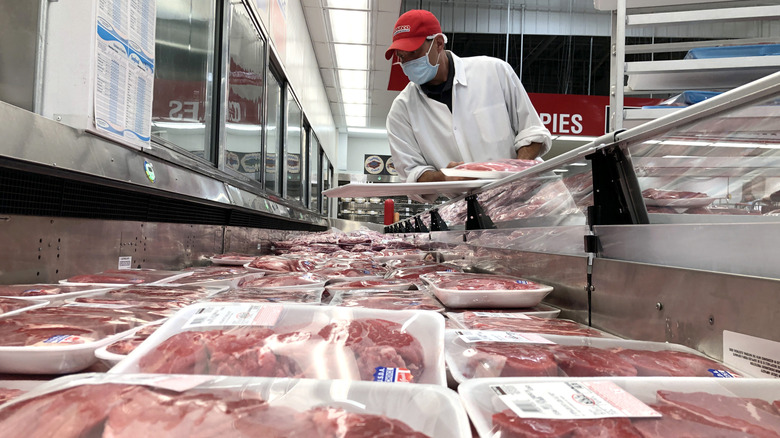
Everything in 2026 costs more than it should. Gas creeps up a few cents every time you look away, groceries tack on an extra dollar or two between visits, and the receipt from a quick run to the store for essentials could now buy a nice dinner out. It seems like the "good old days" of affordable groceries just means last summer. So, if you're planning a Costco run for tonight's steak dinner, here's a fair question: How much cheaper was beef, really, a year ago?
Cut by cut, the answer is stranger than a catch-all "everything went up" like you're probably expecting. If you want to see where the money went, look at tenderloin. Choice peeled tenderloin at Costco was $23.99 a pound in 2025 ... and it's $32.99 now, a jump of 37.5%. Filet mignon went from $19.99 to $24.99 a pound. Prime boneless ribeye is up three dollars, to $22.99. Choice chuck roast and top sirloin each gained a dollar. However, almost everything else has held steady. Top round is still $6.29 a pound, and oxtail, whole ribeye, whole brisket, plate short ribs, eye of round, and stew meat all carry the same tags they did last year, too. Surprisingly, some cuts even got cheaper: whole New York strip dropped from $12.99 to $9.99, flank steak fell from $12.99 to $10.99, and whole round tip fell hardest of all, down from $4.49 to $2.99.
Average it out across 30 comparable cuts, and Costco beef is up about 35 cents a pound. That's less than half a percent.
The real reason Costco's tenderloin costs more this year
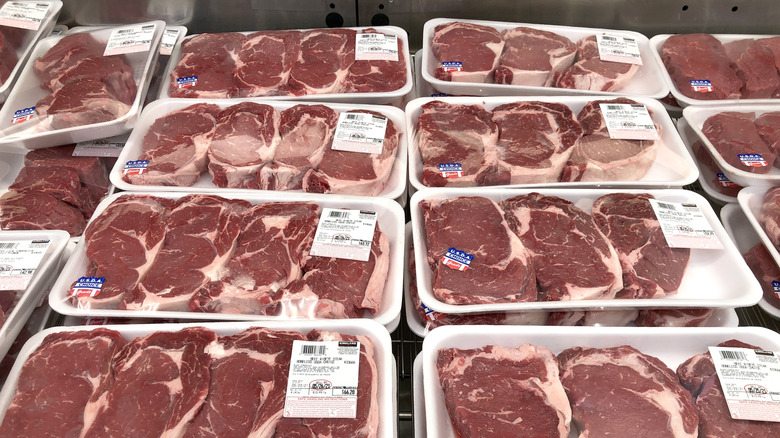
The American cattle herd is the smallest it's been since 1951, thinned by rising costs, drought, and years of consolidation that pushed ranchers to sell off breeding stock instead of expanding. Feed and grain costs stayed high. Cheap imported beef from Mexico, which had long picked up the slack for domestic production, dried up when the border was closed to live cattle over a screwworm outbreak. Stateside, immigration enforcement at meat processing plants have pulled workers off lines that were already short-staffed. All of that pressure has to go somewhere.
Where it went (at least at Costco) is tenderloin steak. It's understandable when you take into account how a tenderloin only accounts for 1.5% of a steer, a few meager pounds at most. Meanwhile, demand from steakhouses and holiday tables never softens for this prized cut, so a tight cattle supply drives that price harder than it drives chuck or round. These cuts may be less glamorous, but we can all thank them for their service, absorbing the price shock and barely moving.
Traditional grocers don't have that flexibility. Their profit lives in the markup, so when wholesale costs rise, the shelf price rises with them and then some. Costco's money comes from membership fees, which lets the warehouse run its meat case closer to cost and even cut prices on New York strip and flank while filet mignon spiked. So, if your beef bill at Costco has looked a lot more expensive in 2026 than it did in 2025, it's probably because you only ever bought the tenderloin.