

13 Sandwiches That Got Families By On A Budget During The Great Depression
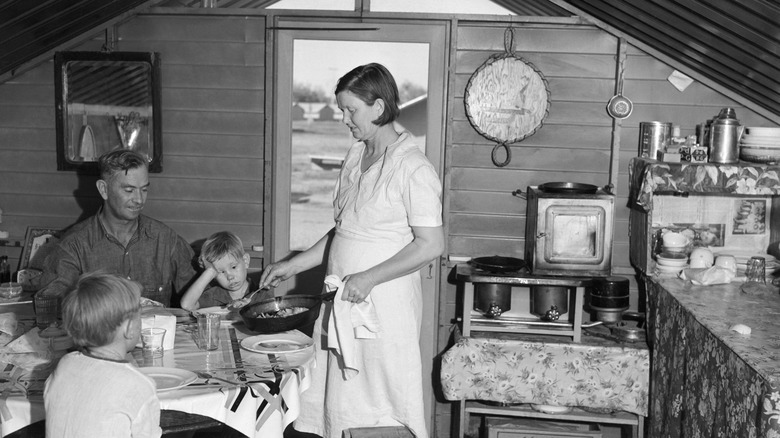
In the days of the Great Depression, food was a matter of basic sustenance as families struggled with the privations imposed by sudden economic collapse. With as much as 25% of the population out of work, families faced the grim prospect of malnutrition and even famine, often turning to breadlines and soup kitchens. This forced many to be extremely resourceful with what little they had. The result was a number of strange, penny-stretching sandwiches, most of which were formulated on how many calories and how much flavor they could deliver for a very low cost.
Some of the sandwiches that came out of the Depression have endured and remain popular today, reflecting the same culinary imagination that has made the United States, perhaps more than any other nation on Earth, a land of sandwiches. Others, meanwhile, are artifacts of a harder, more desperate time that, even as many face an ongoing international affordability crisis, we may hope never comes again. In either case, these sandwiches stand as proof that America has forever pushed back the boundaries of what can be squashed between two slices of bread.
Loose meat sandwich
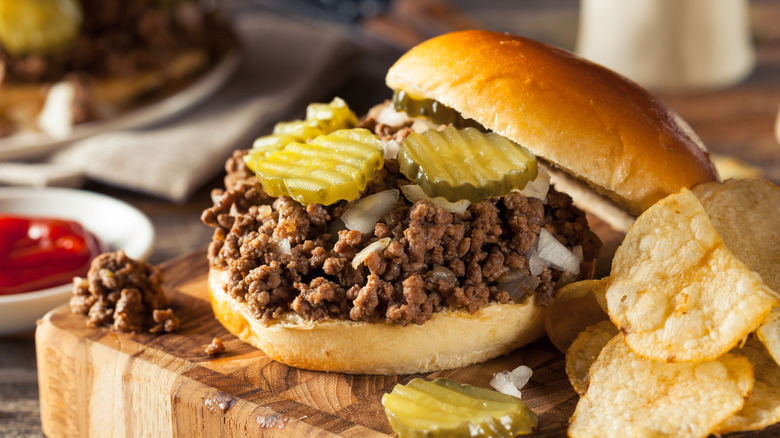
The loose meat or Maid-Rite sandwich is, in many ways, a precursor to what we would today know as a traditional Sloppy Joe, with the key difference being that it eschews the ketchup or tomato usually included in the latter's sauce. A product of Iowa, the Maid-Rite emerged in the 1920s and was embraced after the Depression for its convenience, cheapness, and sheer, flavorful, meaty goodness. Unsurprisingly, the loose meat sandwich remains popular in the state that created it.
Lard sandwich
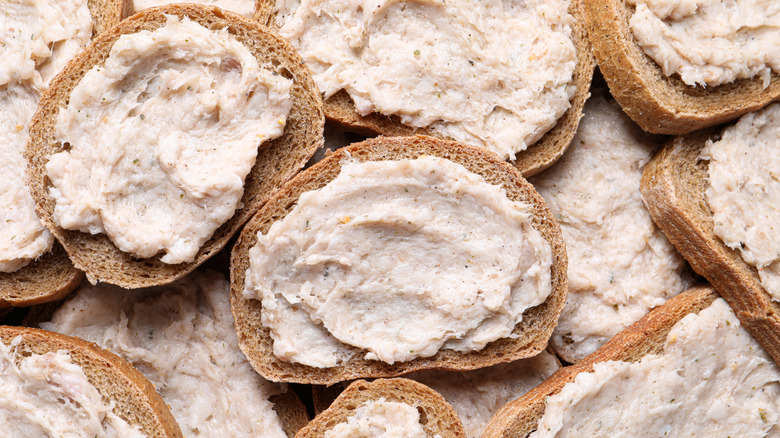
Due to the cost of butter and cooking oils, many relied on fat rendered from meat as an alternative during the Depression, making lard, a cheaper ingredient, a common kitchen staple during this time. Because of this, lard sandwiches were a thrifty but common lunch during this period. One variation that emerged from Appalachian coal mining communities was "bulldog gravy," a combination of fat, flour, and liquid that was eaten with stale, lard-smeared bread.
PB&J
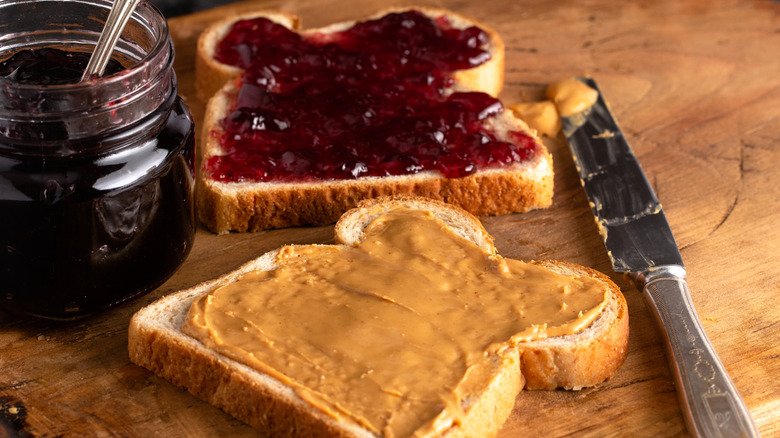
The incomparable peanut butter and jelly, now known just as well by its acronym, is arguably the most universally recognized sandwich in America, but its omnipresence truly began during the Depression. As you will see over the course of this list, peanut butter became a major staple across this period due to its low cost and jelly wasn't that much expensive either. In New York in the early 1930s, emergency kitchens would serve PB&Js to hungry children. In fact, when the New Deal later saw free lunches delivered to 14,000 schools across the country, the menu also included this now classic sandwich.
Deviled ham sandwich
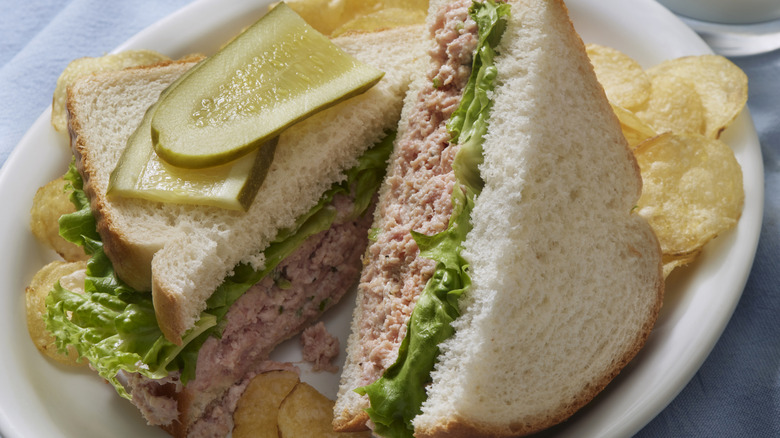
By the Depression era, Deviled ham had been around since the 19th century, taking advantage of the then-recent advances in canning technology. However, it began to crop up as a sandwich filling in recipe books in the 1930s, when a can of the stuff could be bought for only a few cents. It survived the Depression, going on to become an old-school sandwich spread that you may have forgotten about, but your parents and grandparents will likely remember. One curious, Depression-era variation known as "Hiking Sandwich Filling" combined deviled ham, mayonnaise, mustard, and peanut butter.
Pimento cheese sandwich
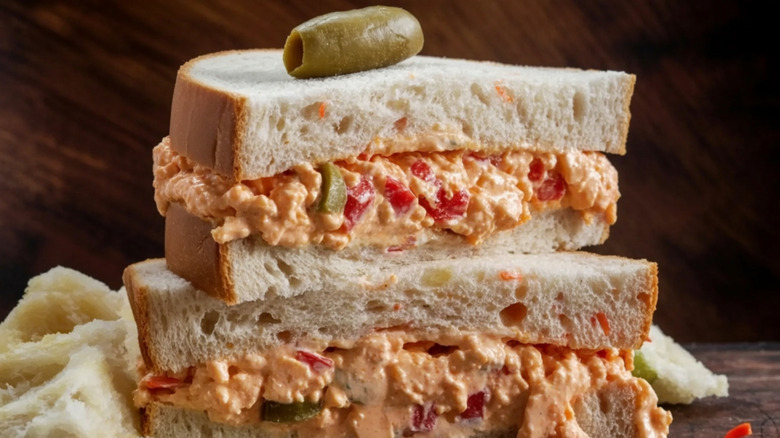
Pimento cheese — an unctuous mix of cheese, mayonnaise, and sweet pimento peppers — was adopted as a frugal standby from the Depression through to World War II. While it could be bought prepackaged, some especially economical home cooks in the American South instead preferred to make it from scratch. This tradition persists, and pimento cheese remains a beloved Southern spread.
Chicago dog
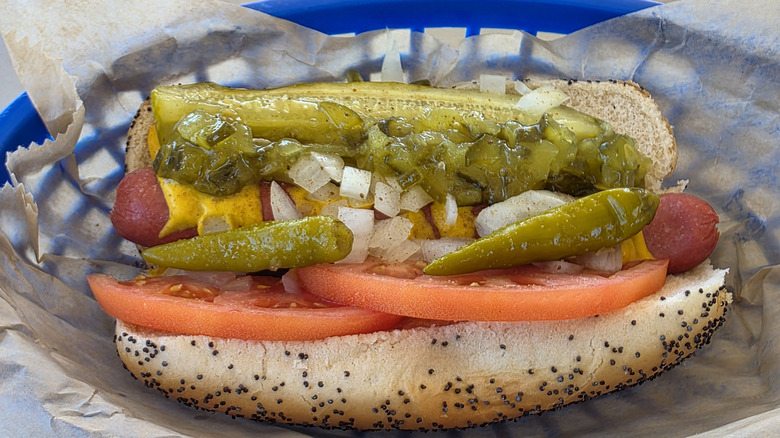
Today, a Chicago-style hot dog is an emblematic heavy-loaded staple of the Windy City. Looking at it, the only thing you can be certain isn't on a Chicago dog is ketchup – this condiment being strongly disfavored in Chicago. Traditionally an all-beef wiener bedecked with hot, pickled sport peppers you'll only find in Chicago, mustard, pickle, relish, tomato, onion, and celery salt, the Chicago dog became understandably popular during the Depression as a cheap yet substantial meal for the city's unemployed working class.
Banana sandwich
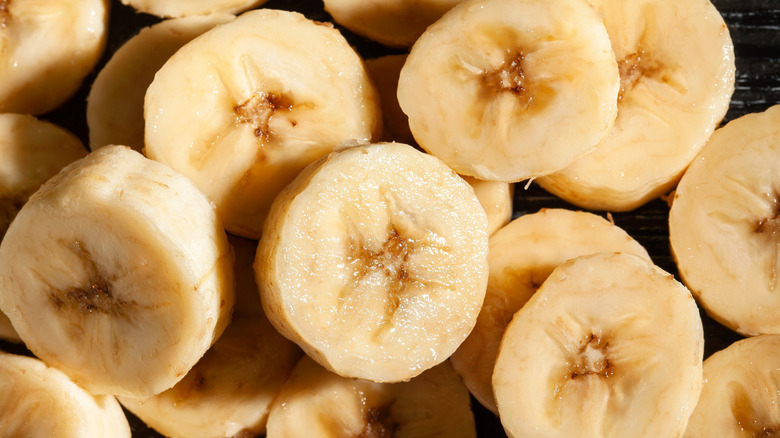
With "banana sandwich," we are specifically referring to the Southern banana sandwich, which consists of soft white bread, mayonnaise (traditionally Duke's), and sliced bananas. This mix may sound odd to some, but it simply worked. While the bread and the mayo offered valuable calories, the banana — always a favored fruit in the South — offered nutrition, which during the Depression was increasingly hard to come by.
Bologna sandwich
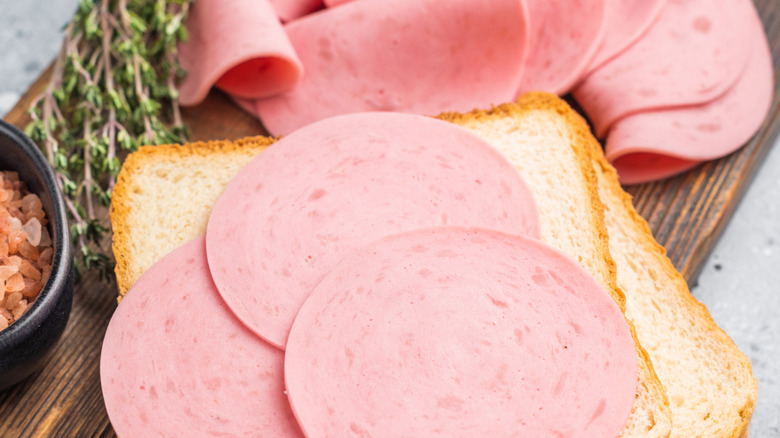
Bologna sandwiches haven't disappeared since the Depression, but during those lean years they became a frequent sight at luncheon counters. Since it could be made from meat scraps that would otherwise be discarded, bologna was both cheaper than other deli meats and widely available. Its inexpensive nature and less-than-glamorous reputation haven't dented its popularity in some quarters, though, with a fried bologna sandwich still considered a go-to Southern comfort food by many.
Peanut butter and pickle sandwich
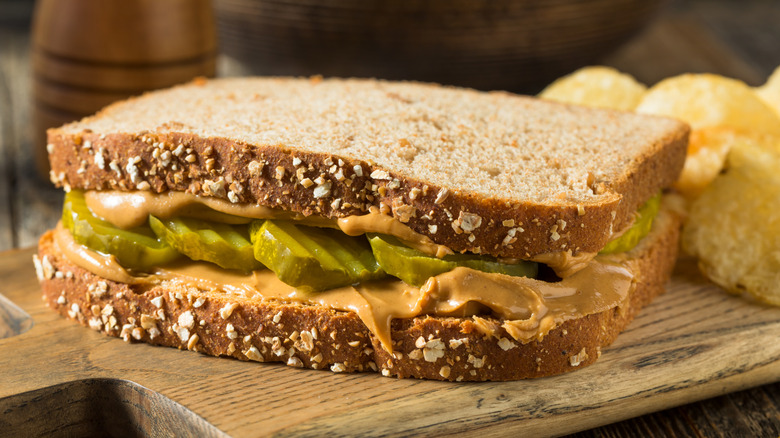
Looking back at some of the sandwiches like this which emerged from the Depression, it often seems that people weren't just hungry for something filling, but something flavorful — and they weren't hesitant about exploring combinations that might previously have seemed strange. This is another sandwich that has, among those who know it and love it, survived the test of time. You can still find peanut butter and pickle fans out there today.
Bacon grease sandwich
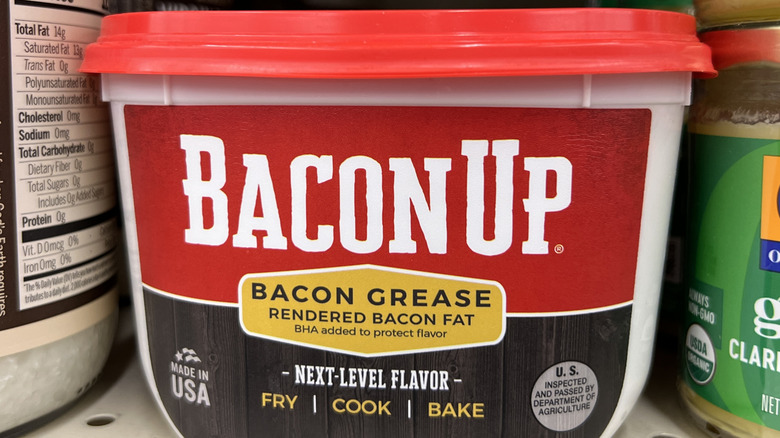
During the Depression, many struggling families could not afford to buy bacon regularly. Given this, it makes sense that they would preserve every scrap of its leftover fat and flavor. Sometimes it was for other cooking purposes, or sometimes just to spread between two slices of bread once it had congealed. This is how the bacon grease sandwich was created. While you may look askance at this recipe today, don't dismiss this sandwich ingredient entirely, as bacon grease is a perfect savory ingredient to swap in your next grilled cheese.
Onion sandwich
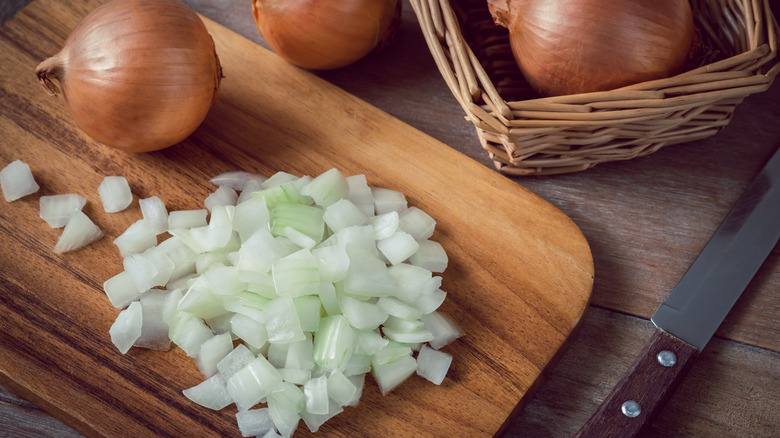
Even for those of us who love onions, this one might be a bit much, but needs must in desperate times, as was the case during the Depression. At the time, onions were easily grown and stored, making them both widely available and low-cost. This made them a logical choice for a popular sandwich filling. Variations on the onion sandwich persist in unlikely places — Martha Stewart has a recipe for onion sandwiches tied to her sweet childhood memories, as does the legendary French chef Jacques Pépin, who acquired it from the equally illustrious culinary titan James Beard.
Meatloaf sandwich
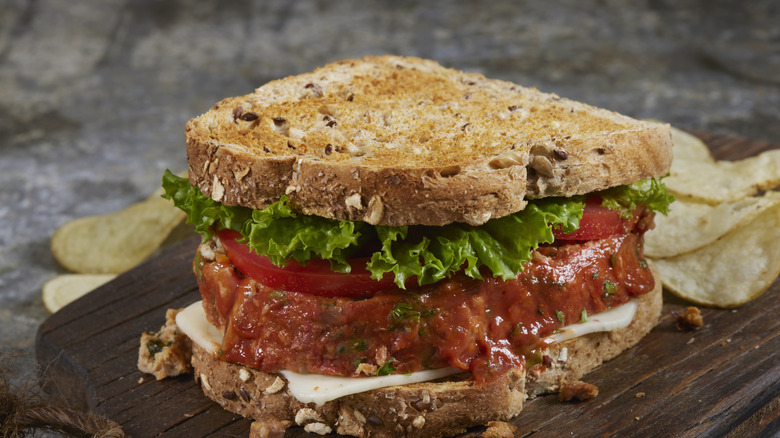
Meatloaf was created as a way make meat go further by incorporating breadcrumbs and other affordable ingredients. Given this, it makes perfect sense that hungry families during the Depression would make it stretch even more by using it as filling for a sandwich. Thankfully, modern sandwiches utilizing crisped-up, leftover meatloaf are much more hearty and thoroughly delicious.
Poor man's sandwich

Peanut butter makes one final appearance on our list in concert with sliced raw onion, a pairing that came together in the appropriately-named standby of the "Poor Man's Sandwich." This budget-friendly combination was evidently popular enough during the Depression to also yield a bread-free alternative: onions stuffed with peanut butter were a staple during the Great Depression. Though perhaps not as popular as peanut butter and pickle today, the Poor Man's Sandwich does have one notable advocate — Stephen King, in his novel "It," features at least two scenes in which his characters tuck into the distinctive snack.