

Are Seed Oils Actually Bad For You?

The news can feel like a constantly rotating door of dietary advice, from discussions of the benefits of dark chocolate to whether or not gluten is bad for you. Of course, science is ever-evolving, and the more we learn about nutrition, the more we understand how it affects our collective health. But sometimes, certain ingredients get labeled as "bad" when that isn't entirely accurate — at least not for everyone — and this seems to be what's happening with seed oils. These days, seed oils are much maligned, even though scientific research confirms they're not actually bad for you.
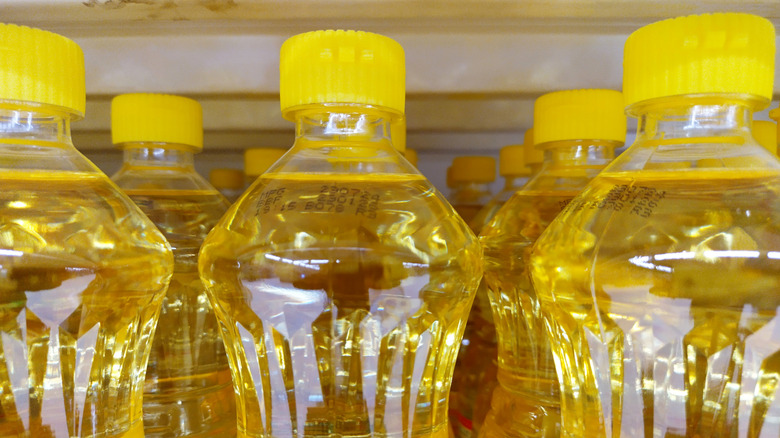
In case you're unaware, seed oils are made by extracting the oil from the seed of the plant, and some of the most common are sunflower, sesame, and rapeseed (more frequently known as canola oil), as well as flax, grape, and soybean. They're particularly popular because seed oils are neutral in flavor, budget-friendly, and have a high smoke point, which makes them great for frying and roasting. By comparison, olive and avocado oils are fruit oils, because their oil is extracted from the pulp of the fruit itself.
As the topic has become more loaded, more people are feeling pressured to ditch seed oils. However, while seed oils should be used with moderation — and you can always find vegetable oil substitutes where preferred — you don't need to avoid seed oils completely.
Why do people believe seed oils are bad?
The biggest issue people have with seed oils is that they contain omega-6 fatty acids. While it's important to incorporate foods high in omega-3 fatty acids into your diet, some believe omega-6s promote inflammation, which is an issue for chronic heart disease and other major health problems. However, the claims are not backed by science.
As Harvard Health Publishing points out, seed oil itself isn't what makes food unhealthy — but it's often used in food and recipes that are unhealthy. "Seed oils are hiding in our food supply, mainly in crunchy, salty, or sweet snack foods that come in a bag, like chips, crackers, cookies, and other baked goods," says Alison Kane, a dietitian at Massachusetts General Hospital, as reported by the outlet. If you're looking to make heart-healthy changes, rather than avoid seed oils, it's best to avoid foods high in saturated fat.
What's more, seed oils have other benefits. Canola oil can be a good source of omega-3 fatty acids, for example. And these oils are often used in healthy recipes, such as salads and stir fry, which far outweigh the benefits of food fried in a seed oil alternative. The issue comes down to avoiding too much fast food and packaged snacks that might have seed oils in them, but certainly are not a problem solely because of the seed oils.