

Say Goodbye To Keurig: The Cheaper Alternatives That Also Make Coffee Breaks More Eco-Friendly
We may receive a commission on purchases made from links.
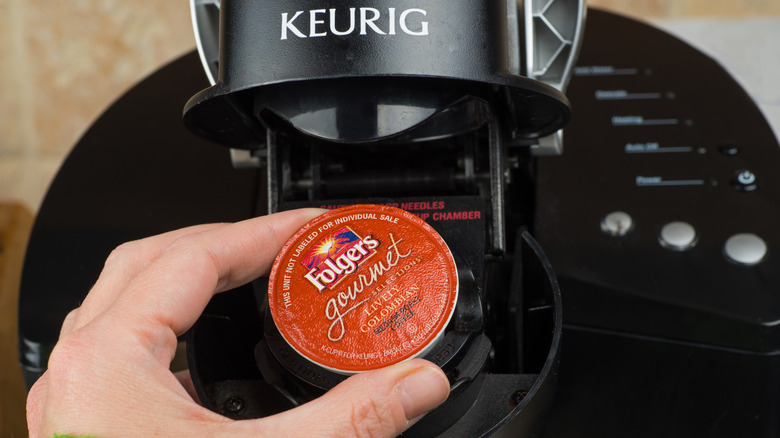
Keurig built a billion-dollar business on the premise that brewing coffee is too complicated. But the single-use pods, it turns out, actually are complicated, especially when you're churning out 576,000 metric tons of pods a year and sending them to the landfill after just one use. To put into perspective just how mind-boggling this number is: If you line them up one after another, it's enough coffee pods to circle the Earth 57 times.
Volume is only one side of the problem. Harmful chemicals like benzophenone and bisphenol A in coffee pods can be released during the high temperature, high pressure brewing process and "leak" into your coffee, according to a study conducted by the University of Connecticut.
If all that doesn't sound right to you, the good news is that better, more sustainable brewing options aren't hard to find — they may even produce better coffee and save you some money too. A French press costs less than $30 and produces a noticeably richer cup — four minutes of steeping, a slow press, and you're done. A drip machine with a reusable metal filter covers the basics — fill, brew, done — at a fraction of the per-cup cost. A bean-to-cup machine also goes further, grinding fresh for each brew with nothing disposable in sight. Both beat K-Cups on price and leave nothing behind.
How Keurig is trying to be a little greener
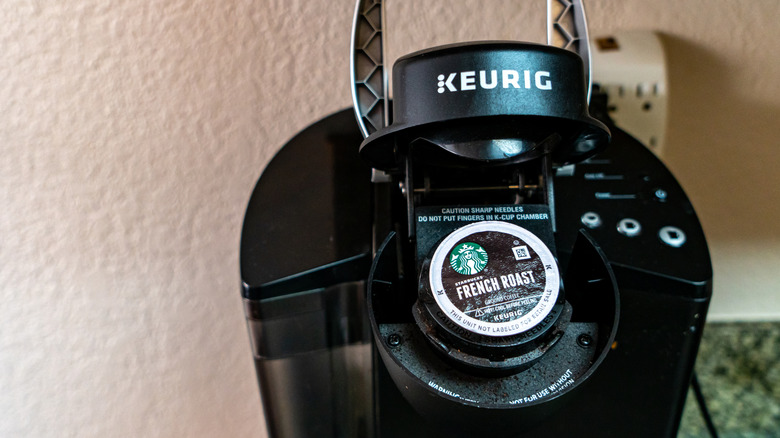
Starting in 2020, Keurig retooled its pods to utilize #5 polypropylene, a plastic the company describes as widely recyclable. The brand also rolled out K-Cycle, a mail-back program for recycling coffee pods that is designed for households with local facilities that won't accept the pods in its existing recycling program. On paper, the system works like this: peel the foil lid, empty out the spent coffee ground, and send in the pod.
It sounded great, until the Securities and Exchange Commission (SEC) stepped in. In 2024, the SEC charged Keurig Dr Pepper with misleading consumers on that front. Two major commercial recyclers had told the company its pods weren't practically recyclable at their facilities, a fact that didn't make it into the marketing. The settlement cost Keurig $1.5 million.
That leaves the K-Cycle mail-in program as the most reliable path to recycling, but it requires buying a bag, stacking used pods, and mailing them back — which is a lot of steps for a product people buy precisely because they don't want extra steps.
How to make K-Cups more eco-friendly
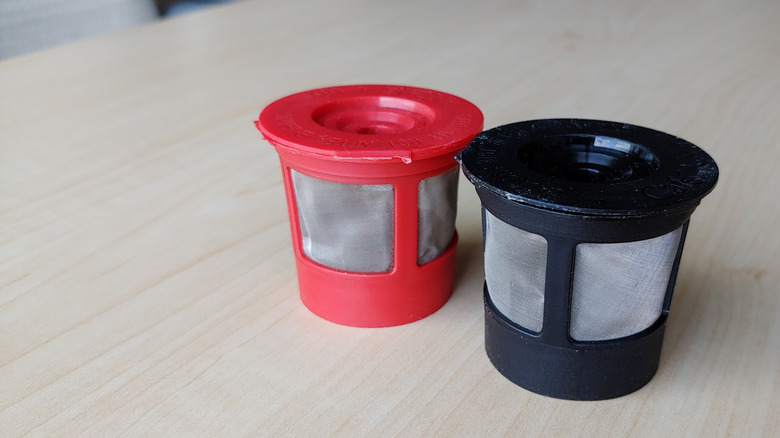
Not everyone is ready to give up their Keurig, and that's fair. The machines are fast, low-maintenance, and can be found in a lot of offices as the only option. What you can control is what goes in them. The easiest upgrade is a reusable filter pod — a small stainless steel or BPA-free plastic basket that drops into the machine in place of a K-Cup, letting you fill it with any ground coffee. There are plenty on the market, like these NOALTO Universal Stainless Steel K-Cups. The per-cup cost drops to almost nothing, and since you're filling it yourself, the roast and grind are entirely your call.
Pod loyalists aren't out of options either — compostable Keurig-compatible pods have gotten easier to find. San Francisco Bay's OneCup pods are made from plant-based lidding and compostable paper, while Tayst uses bioresin rings, compostable ink, and a bio-mesh cup body. Cameron's Coffee makes pods from corn and beet-derived materials with a compostable filter built in. Just one thing: not all U.S. composting facilities take compostable packaging, so there's a small chance that these pods can still end up in a landfill. That's why it's worth making a quick call to your local program to double check before you buy.
On Keurig's end, the Alta system, due in late 2026, ditches plastic entirely in favor of pods pressed from coffee beans and wrapped in a plant-based coating. The catch is that you'll need a new machine to use them. If that's not in the budget, a reusable filter handles the problem today for about $10.