

The Biggest Timing Difference Between American And European Restaurants Has Nothing To Do With The Kitchen
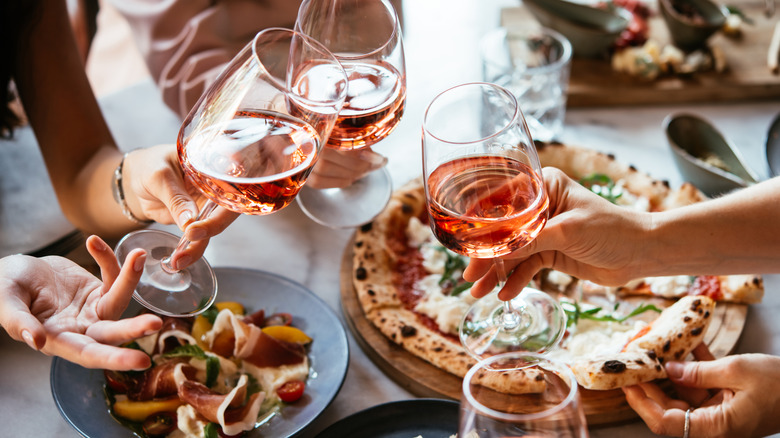
When dining out in the United States, if you've been at a table for some time after the meal is over, enjoying digestifs or coffee and conversation with friends, it may have crossed your mind that you could be overstaying your restaurant welcome. However, when dining in Europe, this is unlikely ever the case. Stemming from cultural priorities and economical norms, long, leisurely dinners are commonplace in Europe. There, you're much less likely to feel rushed out or glared at by servers or kitchen staff for spending time at your table after your meal has concluded.
American restaurants generally depend on a high table turnover rate to stay afloat in an already challenging industry with razor-thin profit margins, meaning that the more guests they can seat in a single night, the better. Lingering long after you've paid the check inhibits the restaurant staff from turning your table quickly and seating another set of diners. Additionally, most restaurants don't pay their staff a living wage, especially front of house staff who generally rely on tips to get by.
Not only is tipping stressful for both the diner and the server, but tipping has a controversial history behind it. It's no wonder that many are so fed up with today's outrageous tipping culture, especially combined with low wages. Additionally, most Americans lack government-provided healthcare and vacation time, meaning that those expenses must be taken into account as well. This is not the standard in Europe.
Mealtimes have important cultural significance in Europe
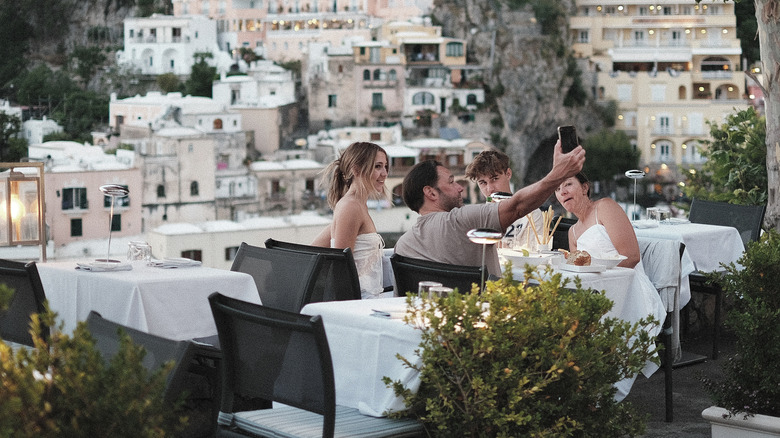
Contrastingly, in many European restaurants, tips are not at all expected. Servers are paid fair, living wages for their work. The prices of food and drinks at restaurants in Europe already include the full cost of labor, whereas in the United States this usually isn't the case. Of course, the exception here is the small handful of restaurants that don't allow tips or additional surcharges, with menu prices including these expenses. This non-tipping (or minimal tipping) culture is just another common European dining experience that many wish would come to America.
Culturally, many European nations treasure the time spent lingering at the dinner table after the dishes have been cleared, enjoying a last glass of wine or espresso and the conviviality that comes after a delicious meal. The Spanish have a word for it: "sobremesa." This simply refers to the purposeful time together spent at the table after the meal is over (particularly lunch) and lingering into the late afternoon. In Italy, this time together is also incredibly important, spawning the phrase "a tavola," which signifies the entire anticipatory dance of preparing the food, setting the table, and coming together with loved ones to enjoy a meal.
This isn't to say that every single meal that every single European eats is long and leisurely. That isn't exactly the case. Yet, the concept of hustling out of a restaurant as soon as you've finished eating to make room for other patrons is less engrained in European culture compared to American dining culture, largely due to the tipping structure behind the latter.